dailynewsnblog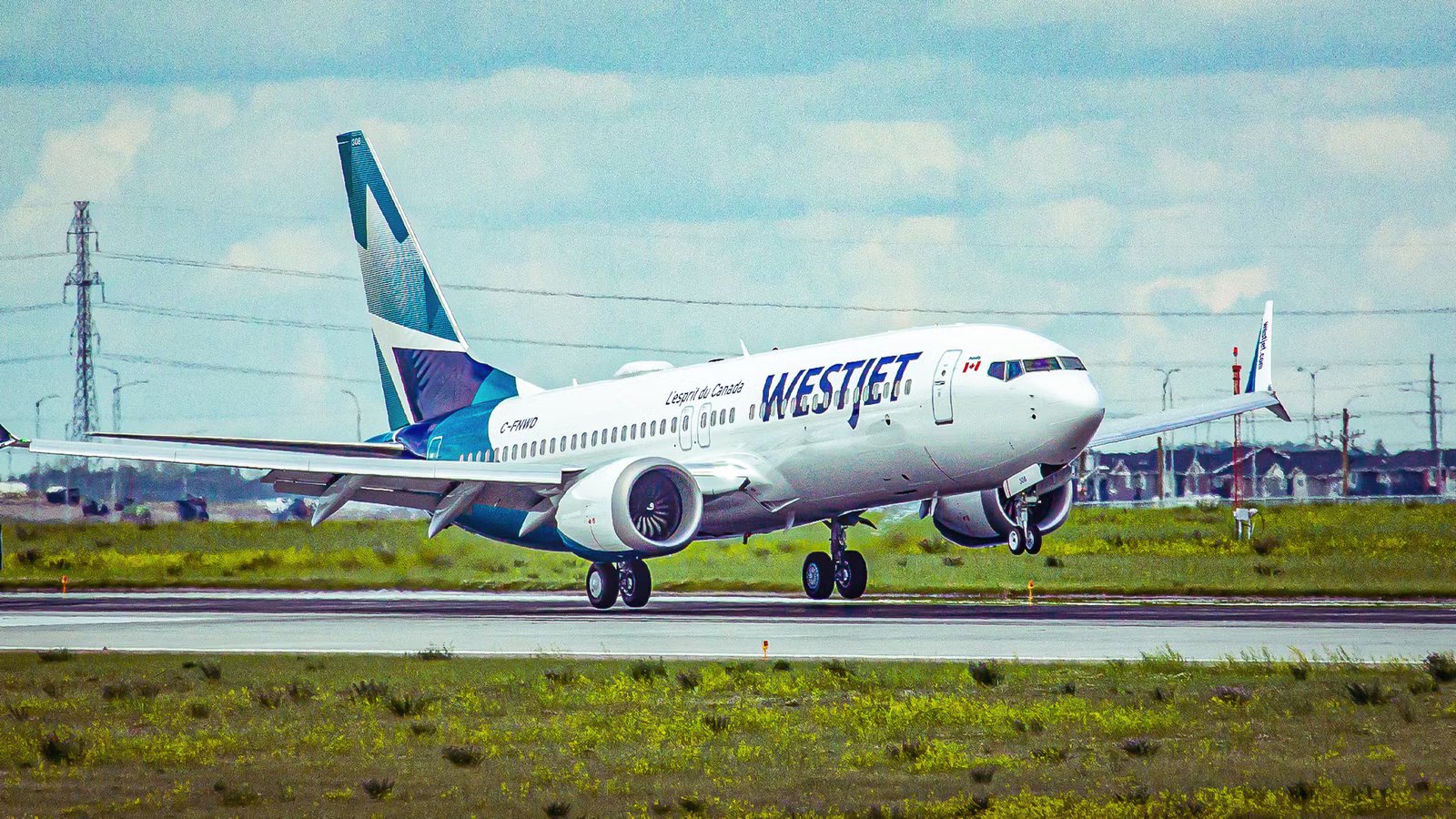
WestJet has found itself under intense scrutiny and controversy over its late 2025 cabin reconfiguration program for its Boeing 737-800 and 737 MAX fleets. Now, the New York Times is reporting that, in a rather surprising move, WestJet will be reversing course on this decision. Not only will it no longer install its latest configuration on any other aircraft, but the 22 planes already in service with its newest layout will be reconfigured.
WestJet’s standard layout for its 737-800 and 737 MAX 8 aircraft features 174 seats, split between 12 business class seats and 162 economy seats. The carrier also has subfleets of these aircraft in an all-economy layout, featuring 189 seats in total. The carrier has been reconfiguring the all-economy 737s into a new layout with 12 business class seats and 168 economy seats, for a total of 180 seats. Now, the all-economy planes will feature the 174-seat configuration.

WestJet will be fully reversing course on its reconfiguration plans for its Boeing 737 fleet. Initially, the carrier planned to reconfigure 43 737-800s and 737 MAX 8s with the new 180-seat layout. To enable an extra row of economy compared to the standard two-class configuration, WestJet decreased legroom in economy. Legroom varies depending on row, but a majority of the seats feature either 29 inches (73.66 centimeters) or 28 inches (71.12 centimeters).
WestJet’s 174-seat Boeing 737s feature 30 inches (76.2 centimeters), which is generally considered the minimum for airlines that aren’t ultra-low-cost carriers. In addition, while the reconfigured aircraft include more modern seats than the 174-seat layout, WestJet will not include a recline function in economy apart from 36 seats that also offer extra legroom for a surcharge.
22 aircraft have already received the new 180-seat layout, with a further 21 awaiting the new seats. WestJet initially paused the reconfiguration program due to heavy public backlash, but has now formally cancelled these plans. Instead, these aircraft will feature the 174-seat layout, but with the new seat models. In addition, the 22 737s that have already been reconfigured will go back into the shop to be converted to the 174-seat layout.
Why Is WestJet’s New 737 Layout So Controversial?

WestJet initially announced the reconfigurations of its all-economy 737s in September 2025. With a business class cabin and a dedicated extra-legroom section, the new configuration was advertised as being an upgrade for passengers. However, the seat pitch of 29 inches (73.66 centimeters) to 28 inches (71.12 centimeters) is among the tightest in the world, and WestJet also removed the reclining feature from most seats (excluding the extra-legroom section).
These changes were brought to attention as a result of a viral TikTok video in which passengers filmed themselves essentially unable to move in their seats. The passengers were not aware that their flight would be operated by a 180-seat 737 with limited legroom and no recline. In addition, the passengers were on board a roughly four-hour flight to The Caribbean.
WestJet had responded to the criticism by stating that the new legroom was in line with industry standards and that adding an extra row of economy seats allowed the airline to offer lower fares. However, the optics were terrible for the airline, and the carrier received heavy backlash. As such, WestJet will remove the added row and add legroom back to the economy cabin.

Inside WestJet’s Boeing 787 Dreamliners
The Canadian carrier deploys its Boeing 787-9s on routes across Europe, Asia, and North America.
WestJet’s Strategic Market Positioning

WestJet is generally considered to be a hybrid airline, operating under a similar business model to Alaska Airlines in the US. This is especially true when looking at its Boeing 787s, which include lie-flat business class seats with direct aisle access and premium economy. Its Boeing 737s, meanwhile, are more sparse but are fairly similar to Air Canada’s narrowbodies other than the lack of seatback screens.
Other airlines, even in North America, do install economy seats with 29 inches (73.66 centimeters) to 28 inches (71.12 centimeters) of legroom and no recline, but these are all ultra-low-cost carriers (ULCC) such as Spirit Airlines. WestJet is not viewed as a ULCC, and its customers expect a more comfortable onboard experience, especially when considering that WestJet’s prices are often higher than what a ULCC would charge. As such, the company has had to reverse course to maintain its brand image of being a hybrid carrier.