dailynewsnblog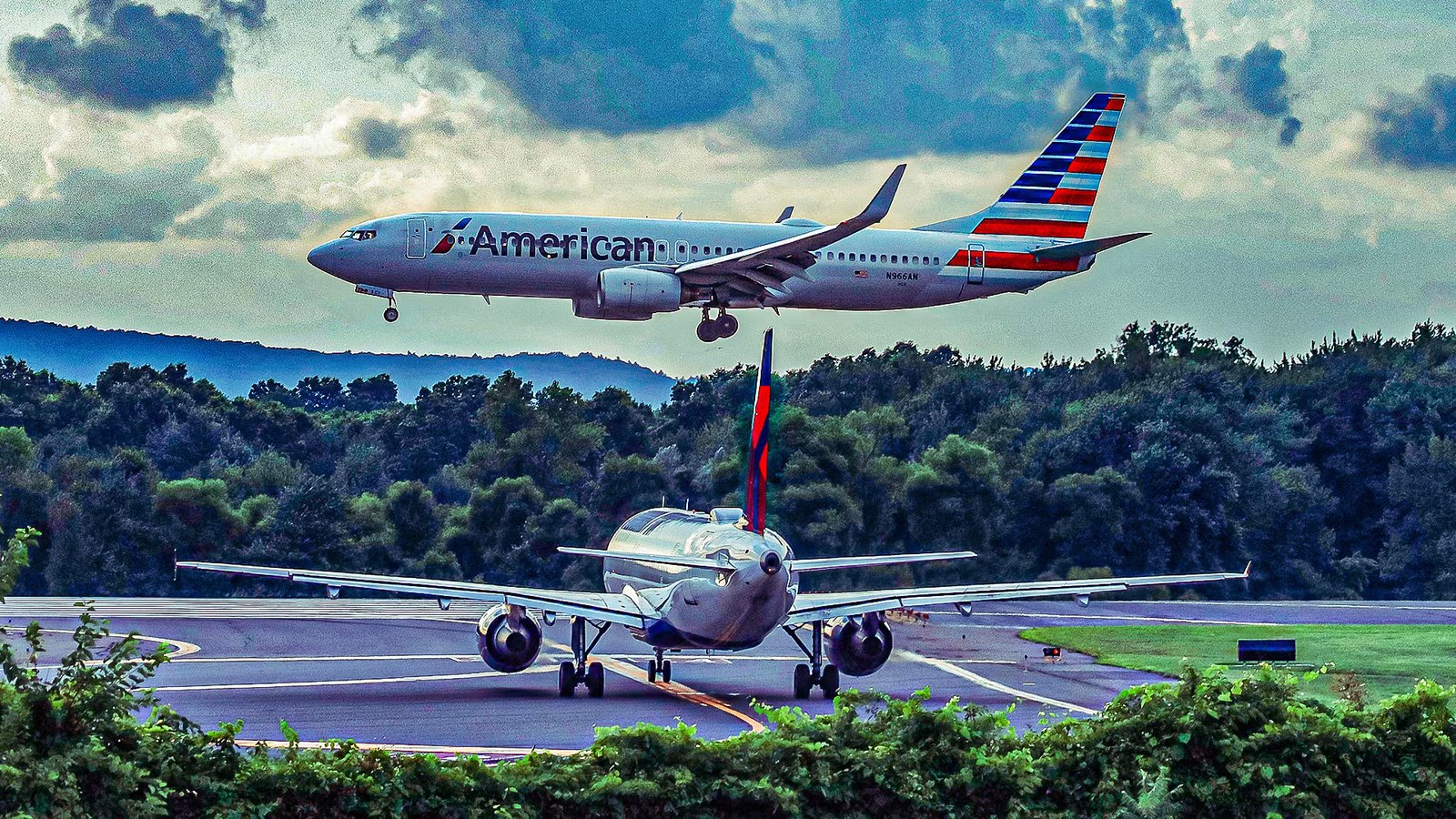
Major US carriers, including  Delta Air Lines,
  American Airlines, and JetBlue Airways, have raised their first-quarter revenue guidance despite a sharp rise in jet fuel costs driven by the ongoing conflict in Iran. The updated outlooks were revealed ahead of a JPMorgan industry conference in March 2026, according to CNBC. Airlines are signaling that strong spring travel demand is more than offsetting the financial pressure from higher fuel prices. The developments highlight the resilience of the aviation sector even amid geopolitical instability.
Fuel is typically the second-largest expense for airlines, often accounting for between 20% and 30% of total costs, making sudden price increases particularly impactful. The Iran conflict has triggered a spike in oil prices, raising concerns across the global aviation industry. However, US carriers are reporting robust passenger demand across both leisure and corporate segments. This combination is reshaping expectations for airline profitability in early 2026.
Delta And American Lift Forecasts Despite Multimillion Fuel Headwinds

Delta Air Lines revealed it absorbed a $400 million fuel-related hit tied to rising oil prices and operational disruptions, including a challenging winter storm season. Despite this, the airline now expects first-quarter revenue growth in the high-single-digit range, exceeding earlier projections of up to 7%. Strong bookings, particularly from premium and corporate travelers, have played a critical role in maintaining momentum. Delta also reaffirmed its earnings guidance of $0.50 to $0.90 per share.
Similarly, American Airlines raised its revenue forecast to more than 10% growth for the first quarter, up from its previous estimate of 7% to 10%. The airline also expects to incur a roughly $400 million increase in costs, largely tied to fuel. Even so, executives emphasized confidence in sustained demand trends throughout the year. Investors responded positively, with airline shares climbing in early trading.
Ed Bastian, CEO of Delta Air Lines, told CNBC,
“We’ve seen eight of the top 10 sales days in our history this quarter, and five of those just within the last two weeks, within just the last week of March. Even with the war going on, our revenues, our bookings are up 25% year over year.”
Premium Demand And Strategic Shifts Cushion Rising Costs

The ability to offset rising costs through pricing power and strong demand reflects a broader structural shift in the airline industry since the pandemic recovery. Airlines have increasingly focused on higher-yield passengers, including premium cabin travelers and loyalty program members. This strategy is now proving effective in cushioning against external shocks, such as fuel price volatility. Delta, for example, reported that a significant portion of its revenue comes from higher-spending customers.
JetBlue Airways also revised its outlook, raising its expected revenue growth to 5%-7%, up from earlier guidance of up to 4%. The carrier cited improving demand across both its core and premium cabin offerings. Like its larger competitors, JetBlue has faced pressure from fuel costs and operational disruptions due to winter weather. However, stronger-than-expected bookings have helped mitigate these challenges.
Meanwhile,  Southwest Airlines has maintained its previous forecast, stating that its financial outlook remains “fully on track.” The airline pointed to broad-based strength across its product offerings and new initiatives. However, executives acknowledged that fuel prices remain a key wildcard that could influence future performance. Across the industry, airlines worldwide are closely monitoring oil markets and geopolitical developments.

Will Your Flights Get More Expensive? The Iran War Might Cost US Airlines $11 Billion
Considering fuel accounts for the largest portion of an airline’s costs, the rising fuel prices will significantly impact airlines’ bottom lines.
Record Bookings And Network Shifts Highlight Industry Resilience

The surge in demand has been particularly evident in booking data. Delta Air Lines reported that eight of its top ten sales days in history occurred during the current quarter, with several clustered in March. This rebound underscores the continued appetite for air travel despite economic and geopolitical uncertainty.
At the same time, United Airlines is emerging as an unexpected beneficiary of the disruption in the Middle East. With widespread airspace closures and reduced competition on certain long-haul corridors, the airline has capitalized on shifting demand patterns, particularly on transatlantic and non-Middle East international routes. Industry data also shows record-breaking booking days for United, highlighting how travelers are redirecting itineraries away from affected regions.
Overall, the latest guidance updates suggest that US airlines are navigating a complex operating environment with surprising strength. While some carriers, especially in the Middle East, face operational constraints and higher costs, others are finding opportunities in shifting global travel flows. The coming months will determine whether these trends hold if fuel prices remain elevated and geopolitical uncertainty persists.