dailynewsnblog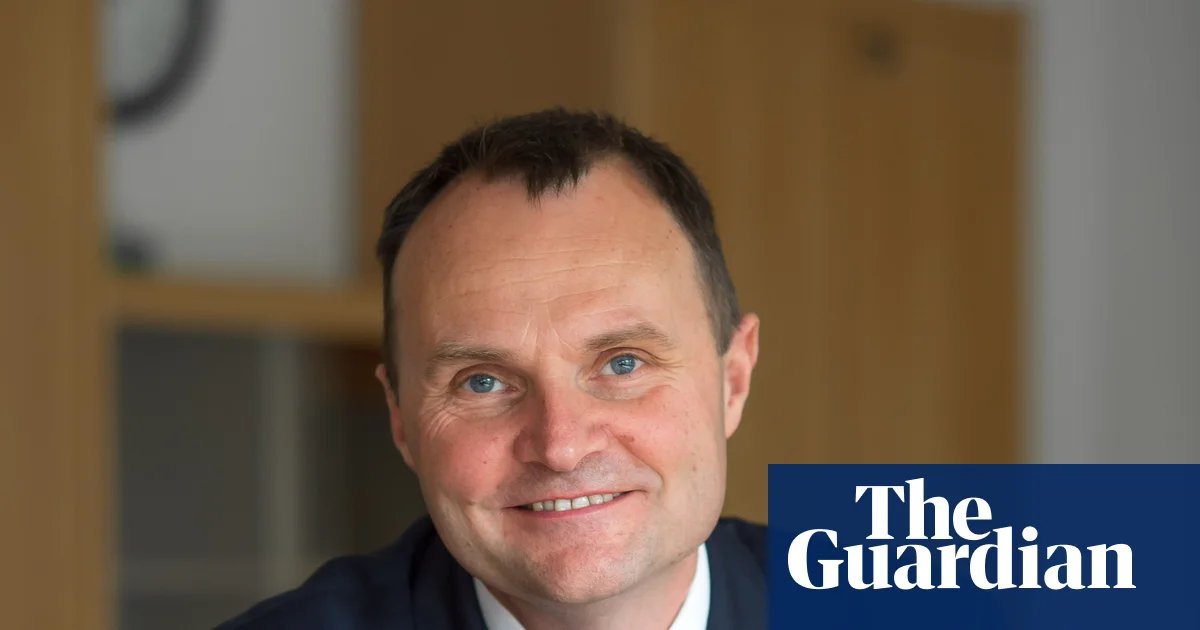
A leading vice-chancellor has questioned whether students without A-levels should be eligible for government-backed student loans, as part of an effort to solve England’s university funding crisis.
Adam Tickell, vice-chancellor of the University of Birmingham, said universities face an “almost existential challenge” and falling public support that requires a radical review of higher education funding.
Tickell told a conference in London: “We have a system where more state money goes in, students are more indebted and universities are on the brink of failure.
“In terms of the taxpayer, the provider and the student, the system just isn’t working … I don’t think tweaking the margins will really address things.”
Tickell said a review should consider the qualifications such as A-levels or equivalents that students need to successfully tackle an undergraduate degree, and said loans should not be available to those lacking the qualifications needed to complete their courses.
“We are getting students without a single A-level or equivalent getting access to the student loan book,” Tickell said, adding: “We’re investing so much money in people who … are not really capable of graduating.”
Tickell is the first senior figure in higher education to publicly question the policy of automatically giving domestic students access to government-backed loans that now average £53,000 a graduate.
Any first-time student in England admitted by a university is eligible for loans to pay their tuition fees and maintenance, with about one-third of all school leavers going straight to university. But successive governments have allowed the tuition fees to be eroded by inflation, causing universities to take significant losses on teaching domestic undergraduates.
The system of tuition and maintenance loans since 2012 has also suffered a backlash from graduates shouldering mounting debts, as the government tinkers with repayment terms amid a sluggish job market.
Speaking at a British Academy conference, Tickell said: “Now is the time to ask: what does the public want from universities? How do we want to fund it? How many people do we want to go to university? And I think those are really difficult questions, because as providers, it’s hard enough already.”
Universities had attempted to repair their budgets by taking on more international students, using the higher fees to subsidise domestic teaching and research. But government visa restrictions have made it harder to attract international students, creating further financial headaches.
Tickell said: “We could have a government that is utterly hostile to the sector and, unless we have some answers, we could be in real trouble.”
Philip Augar, who led the 2019 review of England’s higher education funding, told the conference the costs of teaching should be split between students and the government, as was planned in 2012 when undergraduate fees were first increased to £9,000 a year.
“Some graduates are now paying 70% in loans, some are paying 83% – this is not 50-50, it is the privatisation of university teaching,” Augar said, describing the situation as “unfair and wrong”.
But Vivienne Stern, the chief executive of the Universities UK group of vice-chancellors, said she did not want another review of higher education funding given the government’s recent white paper on post-16 education.
Stern said: “It is too febrile and unpredictable to open up a Pandora’s box when we don’t know what we’re asking for … If we are going to end with a review then the focus should be tightly constrained.”