dailynewsnblog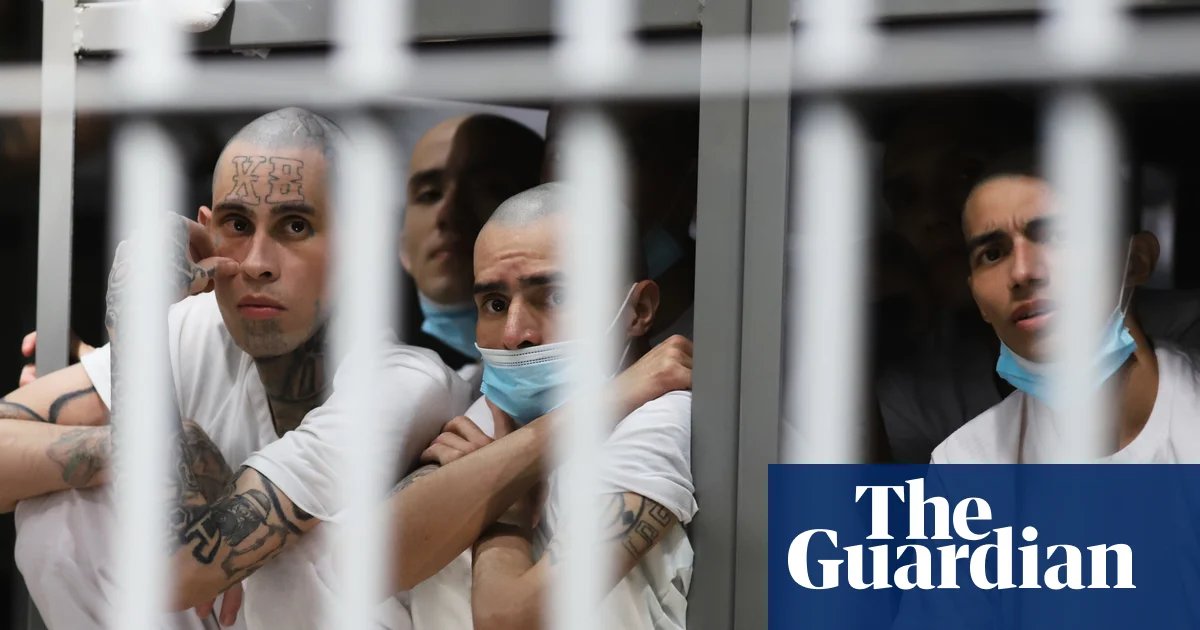
A group of 18 Venezuela men whom the US expelled a notorious Salvadorian mega-prison are demanding that Salvadorian authorities be held internationally accountable for violation of human rights – detailing new allegations of torture, sexual assault and medical neglect.
A new petition, filed on Thursday before the Inter-American Commission on Human Rights, alleges that El Salvador violated the human rights of these men, who were expelled to El Salvador’s Terrorism Confinement Center (Cecot) last year without charge.
Human rights groups filed the petition on behalf of the 18 men, who were among 288 Venezuelans and Salvadorians that the US transferred to Cecot in March 2025. The detainees detail a “pattern of abuse, including beatings, humiliation, and sexual assault” while they were incarcerated.
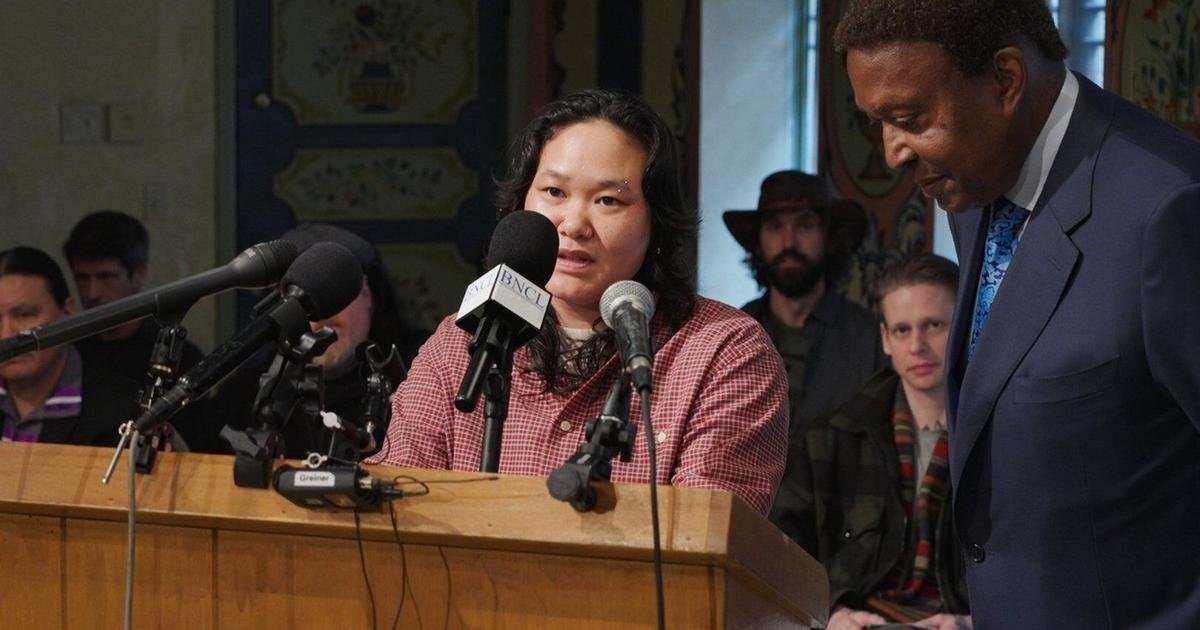
“One year later, these men are still waiting for justice,” said Bella Mosselmans, co-counsel on the petition and Director of the Global Strategic Litigation Council (GSLC). “We are demanding accountability for them, for their families and to ensure it never happens again.”
In new testimony, the men, who were released from Cecot and returned to Venezuela in July last year, also recount the lasting mental and physical toll of their incarceration. One man testified that he still has scars from the shackles that the detainees were forced to wear for extended periods of time, writing that they “are a constant reminder of the horror I lived”.
The former detainee said he is also triggered by loud noises, including the clanking of keys – “because the officials used to bang their keys on the cells to torture us and keep us awake at all hours. The sound of keys puts me into a panic state.”
The human rights organizations and advocates who filed the petition have requested that the individuals’ names remain anonymous, given that some of them fled persecution and danger in Venezuela, and remain vulnerable now that they have returned to their home countries.
Another of the men said that officials beat him from the moment he deboarded the flight to El Salvador. “When I got off the plane, I fell, and two riot police from El Salvador picked me up with blows to the ribs,” he said. “They lifted me up by the handcuffs. This was an unimaginable pain.”
He was beaten dozens of times during his four months of incarceration. “After each beating I was in severe pain for about seven days, to the point where I couldn’t move or walk properly,” he said. But in neighboring cells, he said, detainees were beaten more than 100 out of the 125 days that they were incarcerated. “We could hear them screaming in pain.”
“Several times,” he added, “The guards told us that human rights did not exist in Cecot.”
The petition corroborates abuses that several of the men released from Cecot have recounted to the Guardian and other media outlets, noting that detainees were held in windowless cells with no air conditioning and were made to sleep under the glare of bright lights that remained on 24/7. The detainees staged a hunger strike – which they said they kept up until one of their fellow detainees was beaten and dragged out of his cell “half dead’. Other detainees also staged a “blood strike”, cutting their wrists, “but neither the guards nor the doctors cared”, one of the men said in his testimony.
The men also testified that they were deprived of basic necessities including food, water and sleep. Sometimes there was only one tank of water for bathing and drinking provided for a cell with 10 people, the men said – and sometimes there were worms and mosquitoes in the tank. One individual said he had stomach issues and diarrhoea three out of the four months he spent in Cecot. “I don’t know if it was because of the water or the food. I always had diarrhea. The food hurt my stomach so much that I still have a stomach aches,” he said.
The men were detained in windowless rooms, without air conditioning, and were made to sleep on metal bunks. Bright lights remained on at all hours. “This was torture,” one of the former detainees wrote. “At first, we did not know if it was day or night. I felt like a chicken raised in a cage with constant light.”
Many of the other Venezuelan migrants who were expelled from the US to El Salvador note that they have no criminal records. The US spuriously accused them of being members of the Tren de Aragua gang, the men have alleged, based on scant evidence including innocuous tattoos.
After four months at Cecot, 252 Venezuelan men were released and returned to their home countries – where many were forced to confront the same danger and persecution that had fled.
In an interview with the Guardian last winter, Andry Hernández Romero – a gay makeup artist who had fled persecution in Venezuela due to his sexuality and his political views – said that after he returned to his home country, it was difficult to navigate daily life back in Venezuela. It had been difficult to find work, he said, because some employers believed the US government’s claims that he was a gang member.
The whereabouts of 36 Salvadorian the US sent to Cecot remain “unconfirmed”, the petition states, and their families remain unable to contact them.
The petition was filed to the IACHR, a regional body within the Organization for American States tasked with protecting and promoting human rights across the region. It asks the commission to declare that the agreement between the United States and the Republic of El Salvador for the transfer of deportees to Cecot violates El Salvador’s obligations under the American convention on human rights. It also asks the commission to require El Salvador to make reparations to the former detainees, make a public apology and provide resources for psychiatric and psychological rehabilitation.
It includes testimony not only by men incarcerated at Cecot, but also from medical workers who corroborated the their accounts, from former US officials who attest that the Trump administration knowingly sent deportees to a country with a record of human rights abuses and from former UN Special Rapporteurs on the human rights of migrants.
Most American states, including El Salvador under prior administrations, have complied with orders of the Inter-American human rights system. But it is unclear how the current administration in El Salvador, under the autocratic leadership of president Nayib Bukele, will respond to this international pressure. Since 2022, El Salvador has operated under a “state of exception”, an emergency security policy that Bukele implemented as part of his government’s campaign against organized crime. Under the policy, authorities have also incarcerated about 1.4% of the Salvadorian population without due process.
“We still feel that there’s fundamental importance in trying to hold the regime to account and in supporting the victims of Cecot and their families and their fight for justice,” she said.
Human rights groups within the US have also filed claims and lawsuits on behalf of the deportees sent to Cecot. Last year, the ACLU and Democracy forward filed suit arguing that the Trump administration unlawfully invoked the 1798 Alien Enemies Act – which grants the president the wartime authority to expel nations of foreign countries engaged in a “declared war” against the US – to remove Venezuelan migrants. Declaring that Tren de Aragua was at “war” with the US, Trump invoked the act to swiftly expel Venezuelan men – many of them asylum seekers with no criminal records – to Cecot.
Earlier this month, the legal aid group ImmDef filed claims against the Department of Homeland Security on behalf of six deportees including Hernandez. And on Tuesday Neiyerver Adrián Leon Rengel, 28, filed a lawsuit in federal court seeking at least $1.3m in compensation, alleging false imprisonment and intentional infliction of emotional distress.
“The men who disappeared to Cecot are beloved fathers, sons, husbands, and neighbors,” said Julie Bourdoiseau, an attorney at the Center for Gender & Refugee Studies. “US and Salvadorian authorities colluded to rip them from their homes and communities without warning, and without any semblance of due process … One year later, these families have received no redress for the unimaginable pain our governments inflicted upon them. That is unacceptable.”
The petition to the IACHR is part of a broader series of cases challenging US deporting migrants to third countries – not only El Salvador but also Costa Rica, Panama and Eswatini.