dailynewsnblog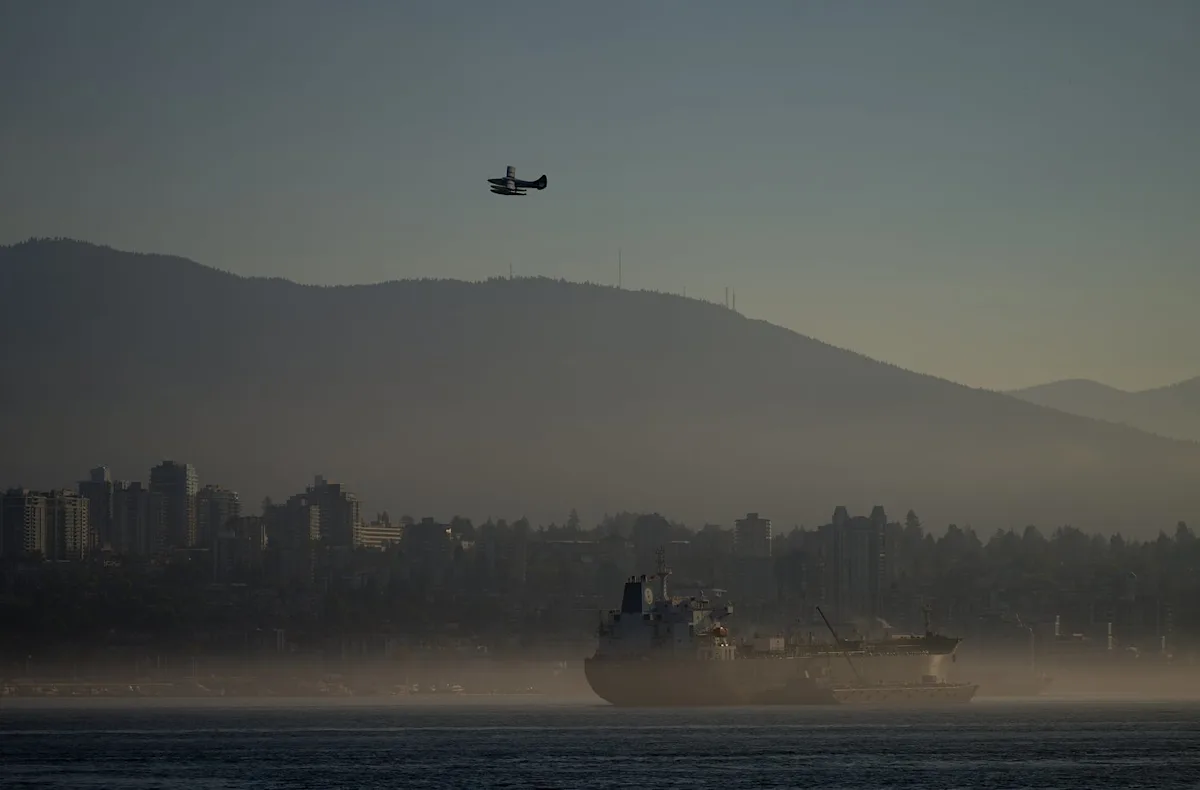
VICTORIA — A spokesperson for the Vancouver Fraser Port Authority says plans to dredge Burrard Inlet remain in the preliminary stage with no costs currently attached to them.
But the authority, which is leading the dredging, also says that the work could start as soon as next year, following additional consultations, permitting and procurement.
Senior communication advisor Sarah Matak said the authority continues to collaborate with government, industry and communities including local First Nations to “move the proposed dredging forward,” but says that the final scope and cost of the project “are still being determined.”
Prime Minister Mark Carney first floated the idea in the spring, but the most recent federal budget does not include any specific references to the project, beyond promises to “improve access” to overseas markets by investing in new airport, railway and port infrastructure.
Matak said projects that enhance port capacity and efficiency fall under the mandate of the authority, which is “encouraged by the federal government’s focus on building trade-enabling infrastructure and advancing initiatives that support trade diversification.”
Preliminary plans presented by the port authority on its website call for the deepening of the navigation channel underneath Vancouver’s Second Narrows bridge, so ships including Aframax-class tankers filling up at the Trans Mountain’s Westridge Marine Terminal could, in the words of the authority, “load more fully.”
The port authority says the proposed dredging would benefit Canada by strengthening national supply chains, but marine experts have already said that the project requires careful scrutiny.
Juan José Alava, adjunct professor in the School of Resource and Environmental Management at Simon Fraser University in Burnaby, B.C., acknowledged that the planned dredging envisions what he calls “appropriate mitigation measures.”
But he added that the review process must consider several points.
He said the marine-coastal environment of Burrard Inlet has changed, and it is not the same as it was during the last two or three decades because of coastal development and industrialization, urban sprawl, chemical pollution and climate change among other activities.
He added it is of “paramount importance” to identify and evaluate threatened and endangered species inhabiting Burrard Inlet and surrounding areas and how the dredging activities might impact their habitat.
“Likewise, it is crucial to ensure that the potential pollution risks and disruption from dredging activities are critically assessed, and will not compromise the access and harvesting of traditional seafoods by First Nations communities with implications for food security and sovereignty,” he said.