dailynewsnblog
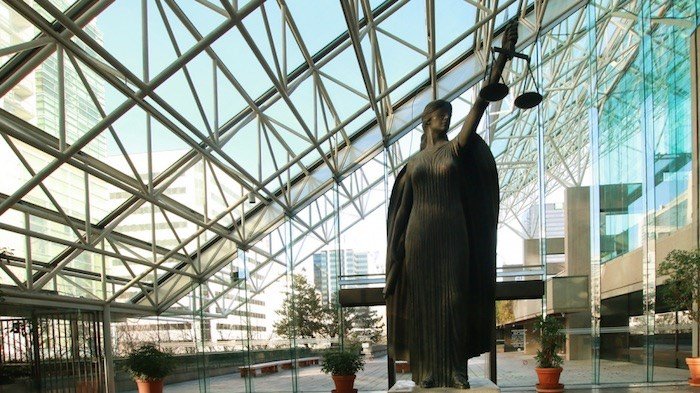
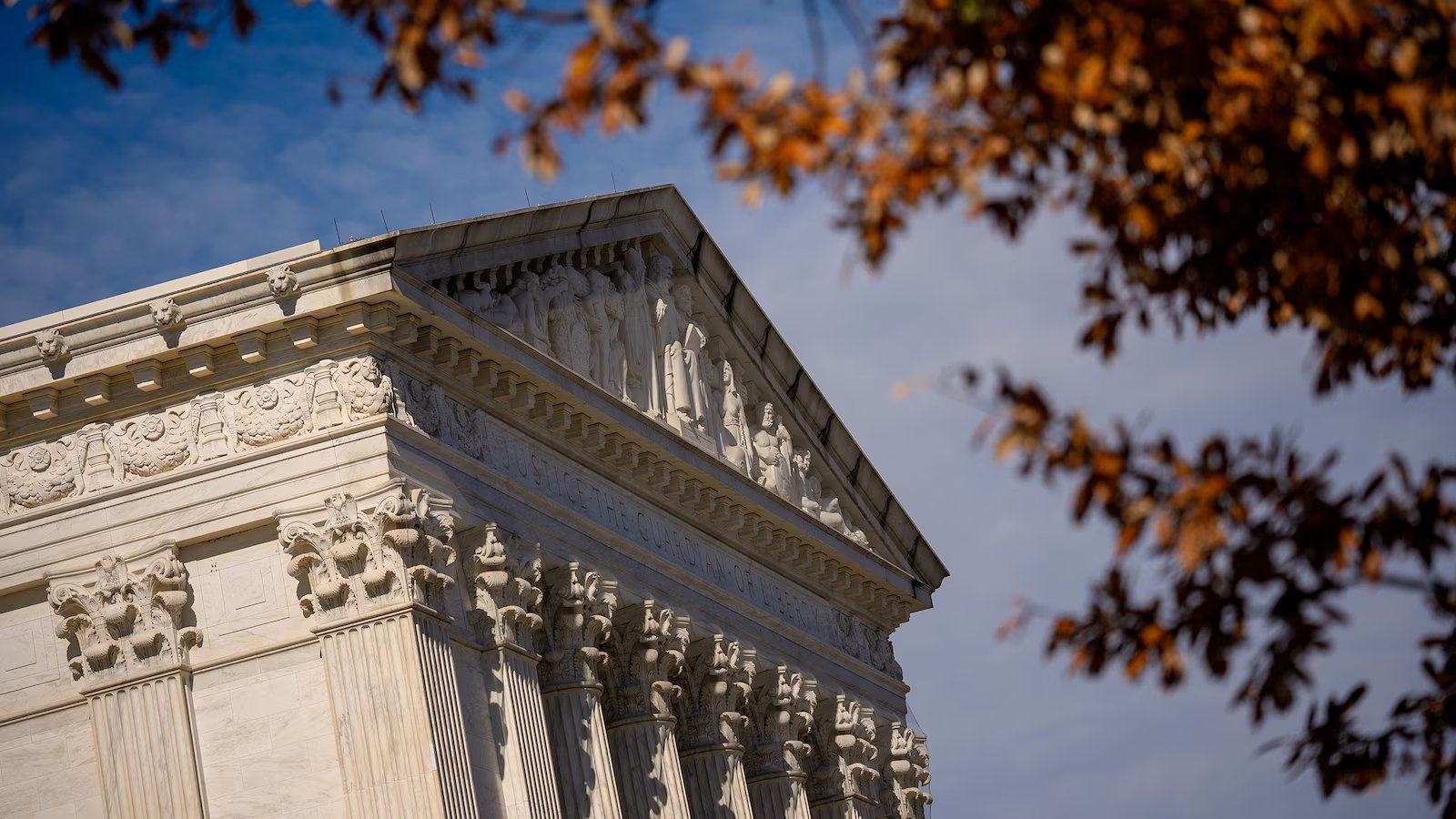
The US supreme court agreed on Friday to decide the legality of Donald Trump’s order to heavily restrict the right to birthright citizenship in the United States.
Trump’s executive order banning the constitutional right to US citizenship for almost everyone born on American soil was signed just hours after the US president took office for his second term – and was immediately challenged in court.
The order was a contentious part of his efforts to curb immigration and a step that would transform the interpretation of 19th century constitutional provision.
Multiple judges across the country filed injunctions blocking the order. Trump then took to the supreme court to fight the injunctions. In a major decision in June, the court ruled that injunctions by the lower courts that became effective nationally were exceeding their given authority. But it did not address the legality of the birthright citizenship ban itself.
The justices on Friday announced they would take up a justice department appeal of a lower court’s ruling that blocked Trump’s executive order telling US government agencies not to recognize citizenship of children born in the US if neither parent is an American citizen or legal permanent resident.
The lower court ruled that Trump’s policy violated the constitution’s 14th amendment and a federal law codifying birthright citizenship rights in a class-action lawsuit by parents and children whose citizenship is threatened by the directive.
The 14th amendment has long been interpreted as guaranteeing citizenship for babies born in the United States.
More details soon …