dailynewsnblog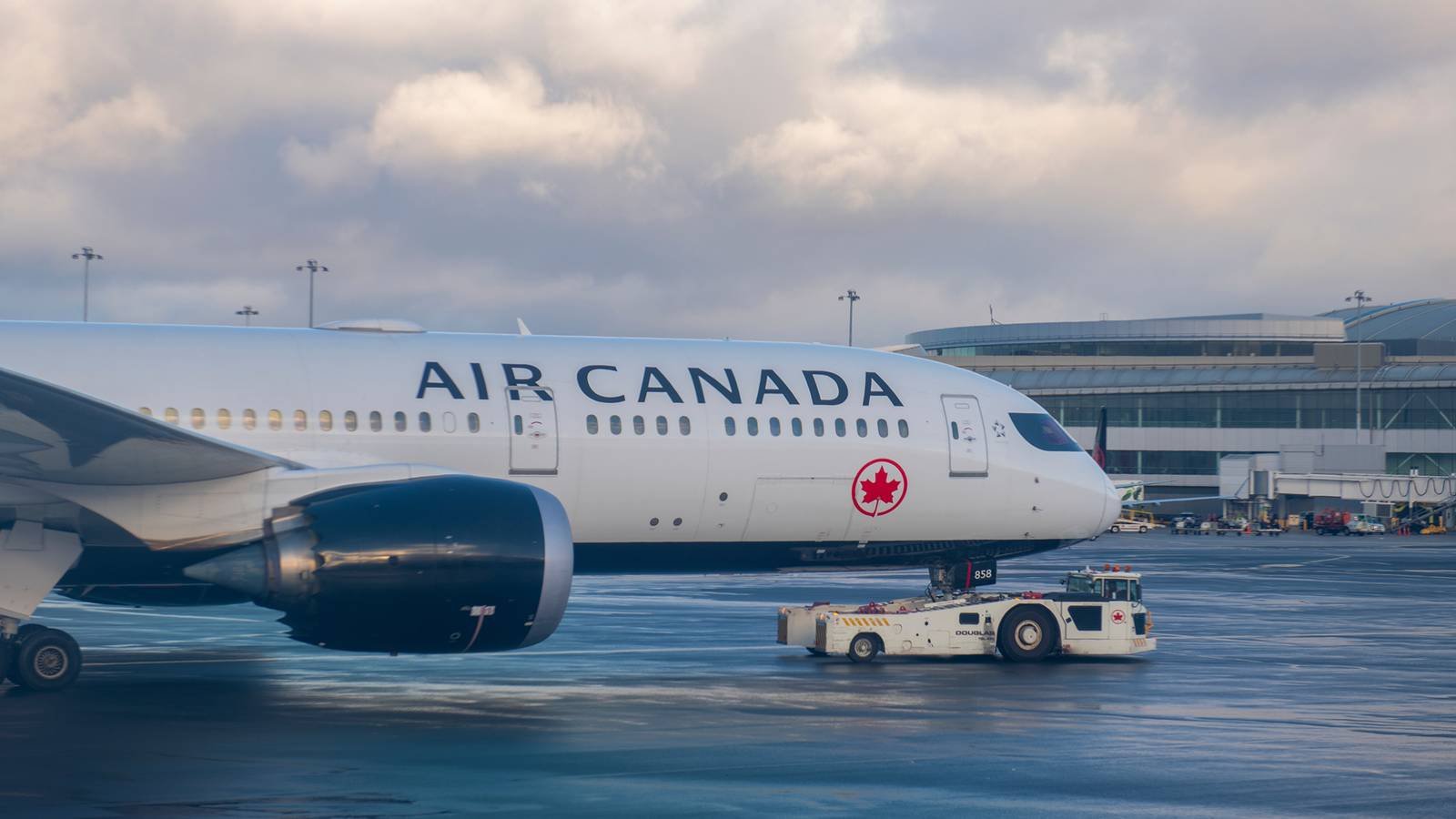
The United States is reassessing its Preclearance program in Canadian airports due to low passenger numbers. The service has been available at many airports across Canada for several decades, but travel between the US has been on the decline.
US Ambassador to Canada Pete Hoekstra suggested the program no longer makes business sense, claiming it is the US government that pays to keep it all running. Ending the program would be a blow to Canadian airlines, which have benefited from easier access to the US for their passengers.
US Could End Canada Airport Preclearance

As reported by CBC, Hoekstra made the remarks this week at the Global Business Forum in Banff, Alberta, saying he is “not sure we can make the numbers work anymore.” Travel from Canada to the US has fallen rapidly, with US Customs and Border Protection (CBP) data showing that the number of Canadian residents returning from the US by air was down by over 25% in August.
The US Customs and Border Protection (CBP) maintains preclearance facilities in six countries, namely Aruba, Bahamas, Bermuda, Canada, Ireland and the UAE. In Canada, eight airports offer the service, which enables passengers to significantly reduce the time it takes to pass through US customs checks.
|
Canada Preclearance Airports |
||
|---|---|---|
|
Calgary (YYC) |
Edmonton (YEG) |
Toronto (YYZ) |
|
Vancouver (YVR) |
Montreal (YUL) |
Halifax (YHZ) |
|
Winnipeg (YWG) |
Ottawa (YOW) |
|
Canada was the first country to have Preclearance facilities and remains the largest origin of tourists into the US, but with passenger numbers dwindling, Hoekstra claims that maintaining the program becomes more difficult to justify from an economic standpoint. Hoekstra said,
“Pre-clearance is something that is done at the expense of the U.S. government. We paid for it. You know, [if] you can’t make the numbers work anymore — you’re all business people. You know what that means. You’ve got to take a look at some of these thing.”
How Does Preclearance Work?

Preclearance is operated by the CBP in partnership with foreign authorities to give passengers traveling in the US a smoother arrival experience. It works by completing immigration checks at the foreign airport rather than upon arrival at a US airport, typically saving passengers a lot of time by avoiding the queues.
Staffed by CBP officers, each Preclearance facility processes visitors and enables them to land in the US as domestic arrivals. The US has been operating Preclearance services in Canada since 1952, gradually expanding it to eight airports and one cruise terminal. The service is favored by passengers and has been one of the main draws for international traffic connecting in Canada before flying to the US.
In response to Hoekstra’s remarks, former Canadian diplomat and forum moderator Colin Robertson said Canadians were still visiting the US “an awful lot” and are the country’s biggest source of tourism, adding, “if you end pre-clearance, doesn’t that cut off your nose to spite your face?“
Canadian Airlines Would Lose Out

Canadian carriers have maintained a market advantage with US Preclearance facilities available at several airports, enticing connecting passengers to fly with them for an easier customs experience. This would disappear with the removal of Preclearance, potentially driving up costs which would be on as higher fares for passengers.
Airlines in Canada have already been scaling back services to the US. For example,  Air Canada has suspended eight US routes this year while also deploying smaller aircraft on many routes due to lower demand, while WestJet has scrapped a handful of US routes in favor of flying to the Caribbean, Europe and Mexico.
Preclearance was used by over 22 million travelers in 2024, with Canada making up the largest share of visitors. This made up almost 16% of all commercial air passengers into the US last year. Dublin and Shannon in Ireland also have Preclearance, as do Abu Dhabi, Aruba, the Bahamas and Bermuda.