dailynewsnblog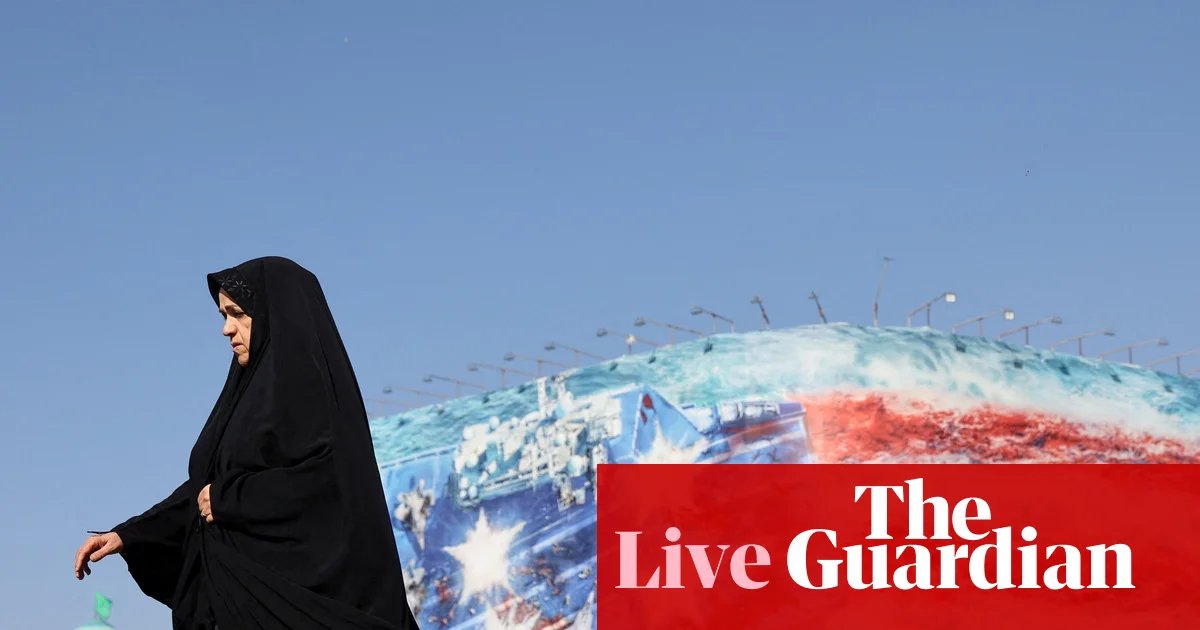
Third round of US-Iran nuclear talks begin in Geneva
The third round of US-Iran nuclear talks have begun in Geneva, according to Iranian state media.
Omani mediators will once again sit across from Iranian foreign minister Abbas Araghchi and US special envoy Steve Witkoff.
Araghchi met Oman’s foreign minister Badr Albusaidi after arriving in Geneva last night. The ministers “reviewed the views and proposals that the Iranian side will present to reach an agreement on the Iranian nuclear programme, based on the guiding principles agreed upon in the previous round of negotiations”, a report from the state-run Oman News Agency said. Albusaidi will pass on Iran’s offer to US officials today, the news agency added.
Key events
Countries advising against travel to Iran
The Reuters news agency has compiled a list of countries that have pulled diplomatic staff and non-essential workers from some locations in the Middle East or have warned citizens to avoid travelling to Iran amid mounting tensions between Washington and Tehran.
They include: the US, Germany, Finland, Australia, Sweden, Poland, Serbia, Cyrpus, India, Brazil and Singapore.
For more details on the travel warnings, click here:
Third round of US-Iran nuclear talks begin in Geneva
The third round of US-Iran nuclear talks have begun in Geneva, according to Iranian state media.
Omani mediators will once again sit across from Iranian foreign minister Abbas Araghchi and US special envoy Steve Witkoff.
Araghchi met Oman’s foreign minister Badr Albusaidi after arriving in Geneva last night. The ministers “reviewed the views and proposals that the Iranian side will present to reach an agreement on the Iranian nuclear programme, based on the guiding principles agreed upon in the previous round of negotiations”, a report from the state-run Oman News Agency said. Albusaidi will pass on Iran’s offer to US officials today, the news agency added.
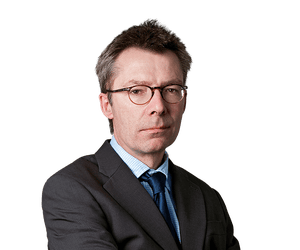
Patrick Wintour
It is understood that US special envoy Steve Witkoff, who is heading to Geneva for the talks along with Trump’s son-in-law Jared Kushner, has asked only that Iran agree to enrichment at below 5% purity, roughly the level it accepted in the 2015 nuclear deal and well below weapons grade.
A source in contact with Iran’s negotiation team said members were surprised at the lax terms of the proposal submitted last week by Kushner and Witkoff as a first step. The key request, this source said, was that Iran agree to limit enrichment to 5% and convert the programme to civilian use.
But, in turn, the source said there were no offers of immediate sanctions relief or diplomatic ties: Iran would be left in economic handcuffs. Still, the next step, the source said, would be negotiations to gradually relieve sanctions and opening dialogue.
UN nuclear watchdog chief to join talks, Iran says
Rafael Grossi, the director general of the International Atomic Energy Agency (IAEA), will probably attend the talks, Iranian media has reported, citing a statement from Iran’s foreign ministry.
Grossi had attended the second round of US-Iran talks earlier this month, where he met directly with Iran’s foreign minister Abbas Araghchi. The meeting was a significant step after Iran suspended all cooperation with the IAEA after the 12-day war with Israel in June.
The UN nuclear watchdog agency said it has been unable to verify the status of Iran’s near weapons-grade uranium stockpile since the war. Iran has allowed the IAEA some access to sites that were not damaged, but has not allowed inspectors to visit other sites.
Abbas Araghchi, Iran’s minister of foreign affairs, met with the Omani foreign minister, Badr Albusaidi, in Geneva last night. Albusaidi is expected to meet with the US negotiating team this morning
Opening summary
Hello and welcome to our live coverage of the US-Iran talks.
Iran and US negotiators will be meeting in the Swiss city of Geneva today for a third round of indirect nuclear talks. The Oman-mediated discussions will take place amid a massive buildup of US warships and aircraft in the Middle East to pressure Iran into a deal.
This is the third meeting between the US and Iran since June last year, when Israel launched attacks on Iran that sparked a war marked by tit-for-tat airstrikes.
Ahead of today’s talks, the Iranian president, Masoud Pezeshkian, said Iran’s supreme leader, Ali Khamenei, has banned weapons of mass destruction, which “clearly means Tehran won’t develop nuclear weapons”. Khamenaei, who has the final say on all state matters in Iran, is thought to have issued a fatwa – or religious edict – banning the Iranian use of weapons of mass destruction, including nuclear weapons, some time before or in 2005.
In his State of the Union speech on Tuesday, US president Donald Trump accused Iran of seeking to rebuild its nuclear weapons programme, but gave no clear indication of his intentions regarding a possible military strike against Tehran. He did, however, say he wanted to resolve tensions diplomatically.
Iran has maintained that it will continue to enrich uranium, a component of a nuclear weapon, for peaceful purposes and has long argued that uranium enrichment is a sovereign right.
Iran has threatened to retaliate in kind if the US were to launch a strike, and said that it would also attack Israel.
“There would be no victory for anybody – it would be a devastating war,” Iran’s foreign minister Abbas Araghchi told India Today before he flew to Geneva.
You can read our diplomatic editor Patrick Wintour’s preview of the talks here: