dailynewsnblog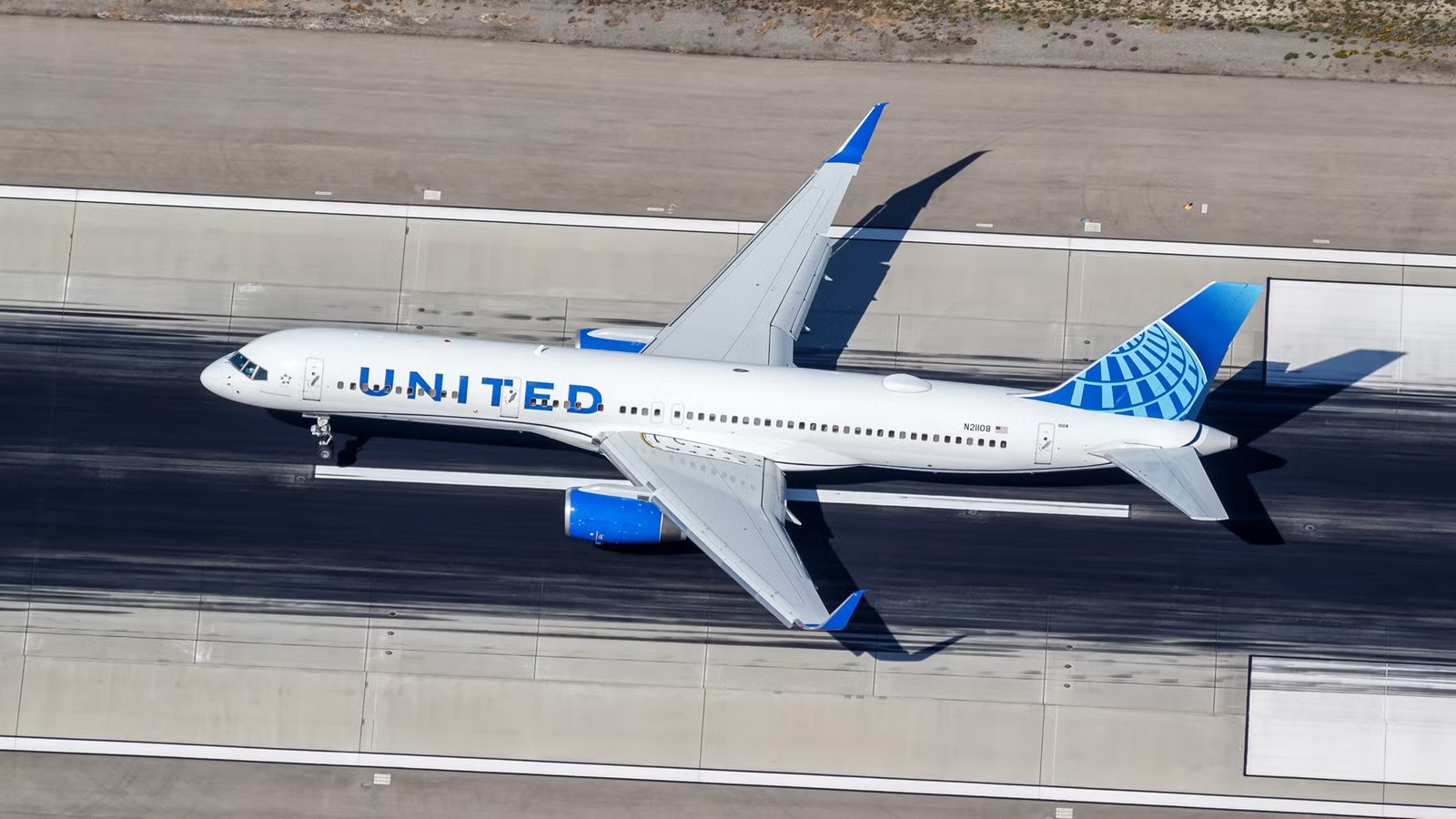
The escalating conflict in the Middle East, and the blocking of the Strait of Hormuz, is expected to affect everyone globally at the fuel pump, especially airlines with it forecasted that this will quickly increase the cost of airfares.  United Airlines Chief Executive Officer Scott Kirby is already warning that the climbing cost of oil will increase the cost of day-to-day airfares.
As reported by CBS News, Kirby recently spoke at an industry event and noted that the continued tension in Iran will lead to rising fuel costs, and this is expected to have an effect on the airline’s financial results this quarter. The cost of oil per barrel has already shot up 11%, with it expected to continue rising.
More Expensive Airfares Expected

Some airlines are already responding to the conflict and increased fuel costs, as reported by Henry Harteveldt, founder of the Atmosphere Research Group. As fuel prices start to spike, premium ticket prices have skyrocketed. It is not expected to affect economy or discount fares at this stage. Airlines are also already considering fuel surcharges on tickets for long-haul routes.
The cost of jetfuel is approximatley one fifth of operating expenses for airlines, and the cost of gas is up 56% from $2.50 in February to $3.95 this week. The effective blocking of the Strait of Hormuz, controlled by Iran, has stopped a vital trade route, which sees approximately 20% of all global oil pass through this corridor. This disruption is now being felt globally and affecting the cost of global airfares.
While it remains unclear how long the conflict will last, the costs and compounding supply chain pressures are expected to be felt for weeks or months, as the tension sees vital infrastructure damaged or out of action. United States President Donald Trump remains steadfast and is demanding Iran ‘totally surrender’.
Diverted Flights Hitting Airline Pockets

Two of the world’s biggest international carriers, Dubai-based  Emirates, and Doha-based
  Qatar Airways, have been hit the hardest with their operations effectively grounded for several days. While Emirates has relaunched a select number of routes, Qatar Airways has been forced to create a mini-hub in nearby Oman.
The cost of diverted and cancelled flights to and from the Middle East is to hit the pocket of airlines around the world. These disruption costs, through longer routings, crew and aircraft displacement, and additional technical stops, add to the cost of crew and staff overtime, handling expenses, crew accommodation and the overall cost to operate.
In addition to the lost revenue from cancelled or diverted flights, airlines are now poised to be hit where it hurts the most with increased fuel prices as the conflict continues.

Expanding Iran Conflict Triggers Downfall Of Airline Stocks
Airline stocks around the world have plummeted following widespread airspace closures in the Middle East.
Heding Fuel Costs

Some airlines are taking additional measures to lock in fuel prices now, to protect against the continued volatility of the situation. Air France KLM has already taken steps to increase its total exposure protection, as have Cathay Pacific, Finnair, easyJet, and Air New Zealand (as suggested by Investing.com)
For airlines to hedge fuel costs, this is done by using financial derivatives, including swaps, options or futures, and locking in the price. This can then result in stabilized earnings and improved budget aaccuracy This helps airlines manage their operating expenses by minimizing the uncertainty of changing fuel costs. This enables airlines to remain competitive, with more consistent airfare ticket prices.
With the cost of oil expected to hit airlines hard, the general public is also expected to feel the pinch in one way or another, with the cost of fuel at the gas station already skyrocketing in some parts. It is expected for the price at the pump to continue rising week on week until the tension subsides, and will eventually filter down to the cost of day-to-day consumables at supermarkets as the cost of transporting these goods continues to soar.