dailynewsnblog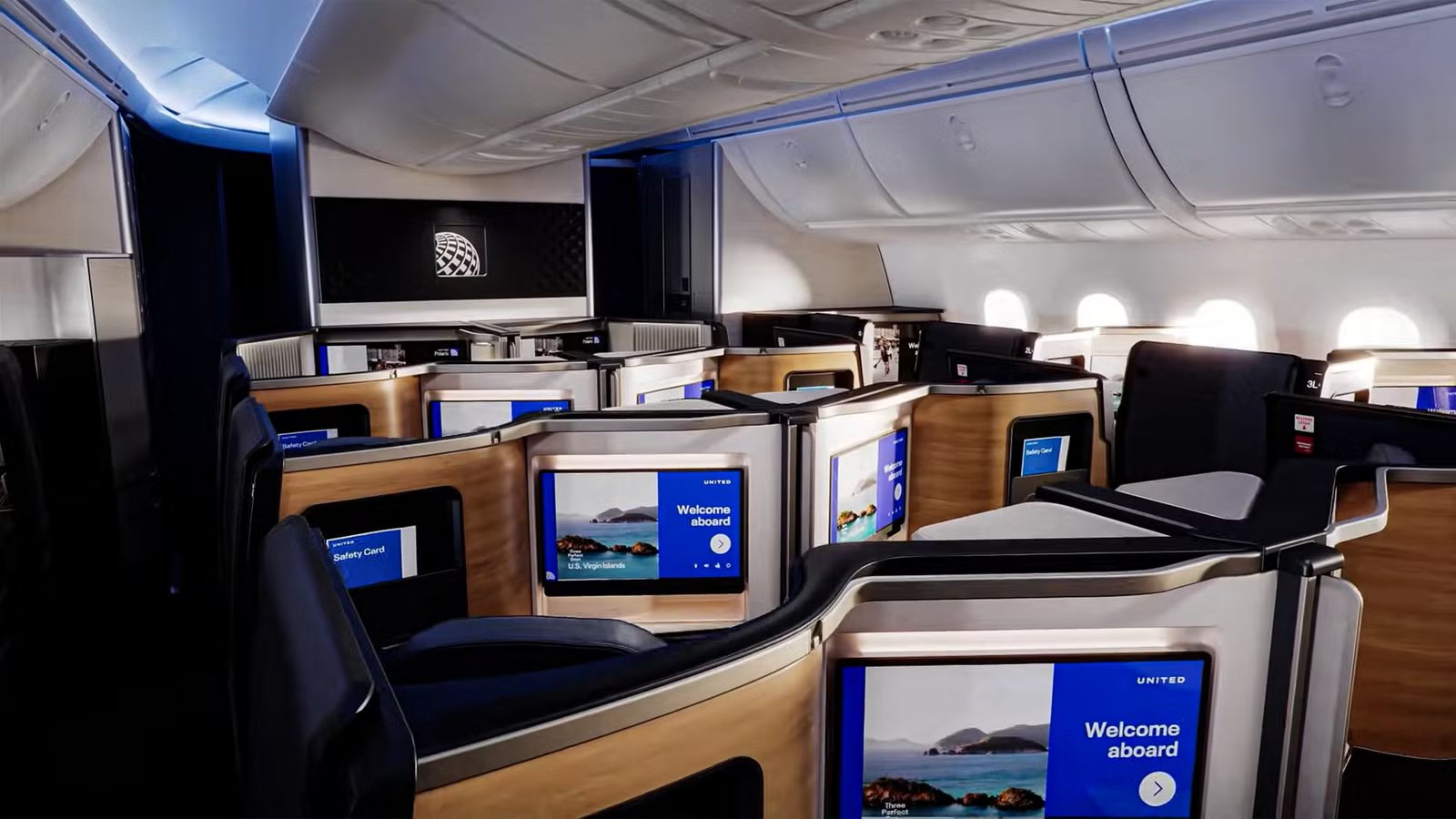
 United Airlines is preparing to debut its next-generation Polaris business class suites on new Boeing 787-9 aircraft, but with an unusual limitation. The Chicago-based carrier will introduce the upgraded cabins in 2026 on long-haul routes from San Francisco (SFO), including flights to London (LHR) and Singapore (SIN). While the new suites include sliding privacy doors, passengers will not be able to use them initially. This is due to pending regulatory certification, delaying one of the product’s most anticipated features.
The new Polaris suites are part of United’s broader “Elevated” cabin concept, designed to significantly enhance its premium offering. These aircraft represent some of the most premium-configured widebodies in the airline’s fleet, with a strong focus on business class capacity and passenger comfort. However, despite the cutting-edge design, certification hurdles mean the rollout will be slightly incomplete at launch. This reflects a recurring challenge in modern cabin innovation, where design often outpaces regulatory approval.
New Polaris Suites Arrive On High-Premium 787-9s, But Doors Remain Locked

United’s new Polaris suites will debut on Boeing 787-9 Dreamliners, featuring a high-premium layout, called “United Elevated”. These aircraft will include up to 64 Polaris business-class seats, including eight Polaris Studio seats, all arranged in a 1-2-1 configuration with direct aisle access, as per One Mile At A Time. A key feature of the redesigned seat is the addition of sliding privacy doors, aligning United with competitors offering enclosed suites. However, upon entry into service, these doors will be physically present but locked in the open position.
The reason for this limitation lies in certification requirements from the Federal Aviation Administration ( FAA). Regulators must approve the use of suite doors, particularly assessing their impact on emergency evacuation procedures. Until that process is complete, the doors cannot be used in-flight, even though they are already installed. This means passengers will experience a partially realized version of United’s newest premium product at launch.
Certification Delays Highlight Ongoing Challenges With Suite Doors

The certification delay highlights the complexity of introducing new cabin features, especially those involving physical barriers like doors. Aviation authorities must ensure that such elements do not obstruct evacuation paths or hinder crew access during emergencies. Even if the aircraft itself is certified, individual components like seats and doors may require separate approval. As a result, airlines sometimes enter service with features that are not yet operational.
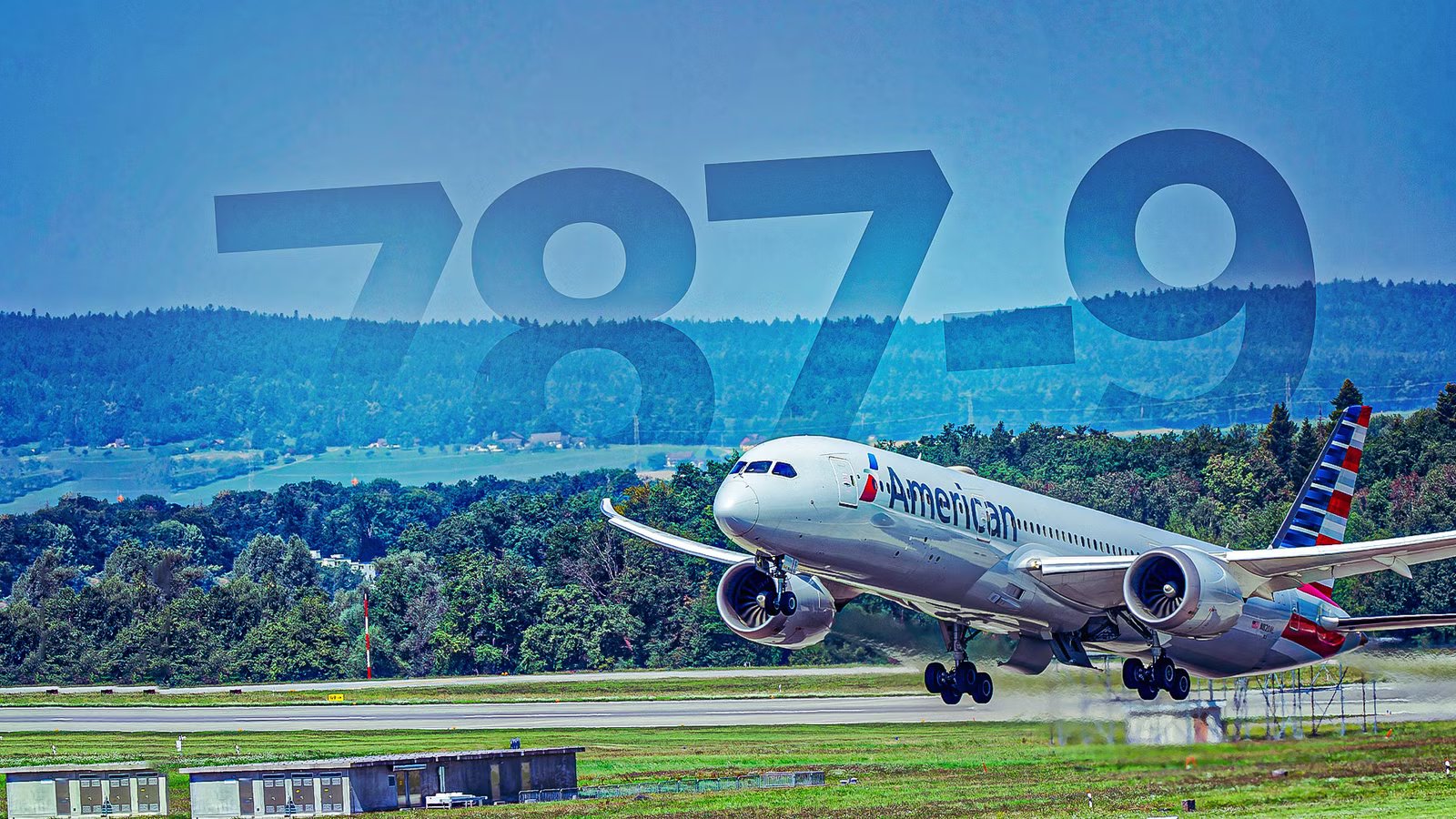
Importantly, this is not an isolated case.  American Airlines faced a similar issue when introducing its own business class suites on new Dreamliners, as reported by Live And Let’s Fly. In that instance, suite doors were also installed but were initially unusable until certification was completed. These recurring delays underline how regulatory scrutiny remains a critical factor in cabin innovation across the industry.
United’s new 787-9s are expected to play a central role in its long-haul network expansion. As previously reported, the aircraft will initially operate flagship routes such as SFO to SIN and LHR, targeting high-yield premium demand. With a significantly increased number of premium seats, these jets are among the most luxurious in United’s fleet. However, the temporary inability to use suite doors may slightly diminish the competitive edge at launch.

United Airlines Expecting To Receive 1st Premium-Heavy Boeing 787-9 In February
What to expect from United’s upcoming Boeing 787-9s, coming with new seats and a new confguration.
United’s Premium Push Continues Despite Temporary Setback

Beyond the door issue, the new Polaris suites introduce a range of enhancements, including larger entertainment screens, wireless charging, and updated materials. The front row of each cabin will feature Polaris Studio suites, offering even more space and premium amenities. These upgrades reflect United’s broader push to capture growing demand for premium travel. The airline is investing heavily in both hard and soft product improvements across its fleet.
United plans to take delivery of dozens of these reconfigured 787-9 aircraft by the end of the decade. Once certification is secured, the suite doors will become fully functional during cruise, though they will still need to remain open during taxi, takeoff, and landing for safety reasons. This phased rollout approach is increasingly common as airlines balance innovation with regulatory compliance. Over time, the product is expected to match or exceed competing offerings in the US market.
Ultimately, while the locked doors may be a temporary inconvenience, they do not detract from the broader significance of United’s cabin upgrade. The new Polaris suites represent a major step forward in comfort, technology, and premium positioning. Once certification is ready, passengers will eventually experience the intended product in full.