dailynewsnblog
As they say, common sense is not always so common. This is the premise on which  United Airlines has instituted, only days ago, an official policy against passengers who play media over speakers while onboard UA aircraft from their personal devices without headphones.
US airlines have what is called the ‘contract of carriage,’ which outlines passenger policies that must be followed to ride aboard an airliner. CBS News reported that United quietly updated its policy on Friday to include a new clause that now states flyers who do not use headphones while listening to personal devices may be permanently barred from booking on future UA flights.
Industry First Ban Policy

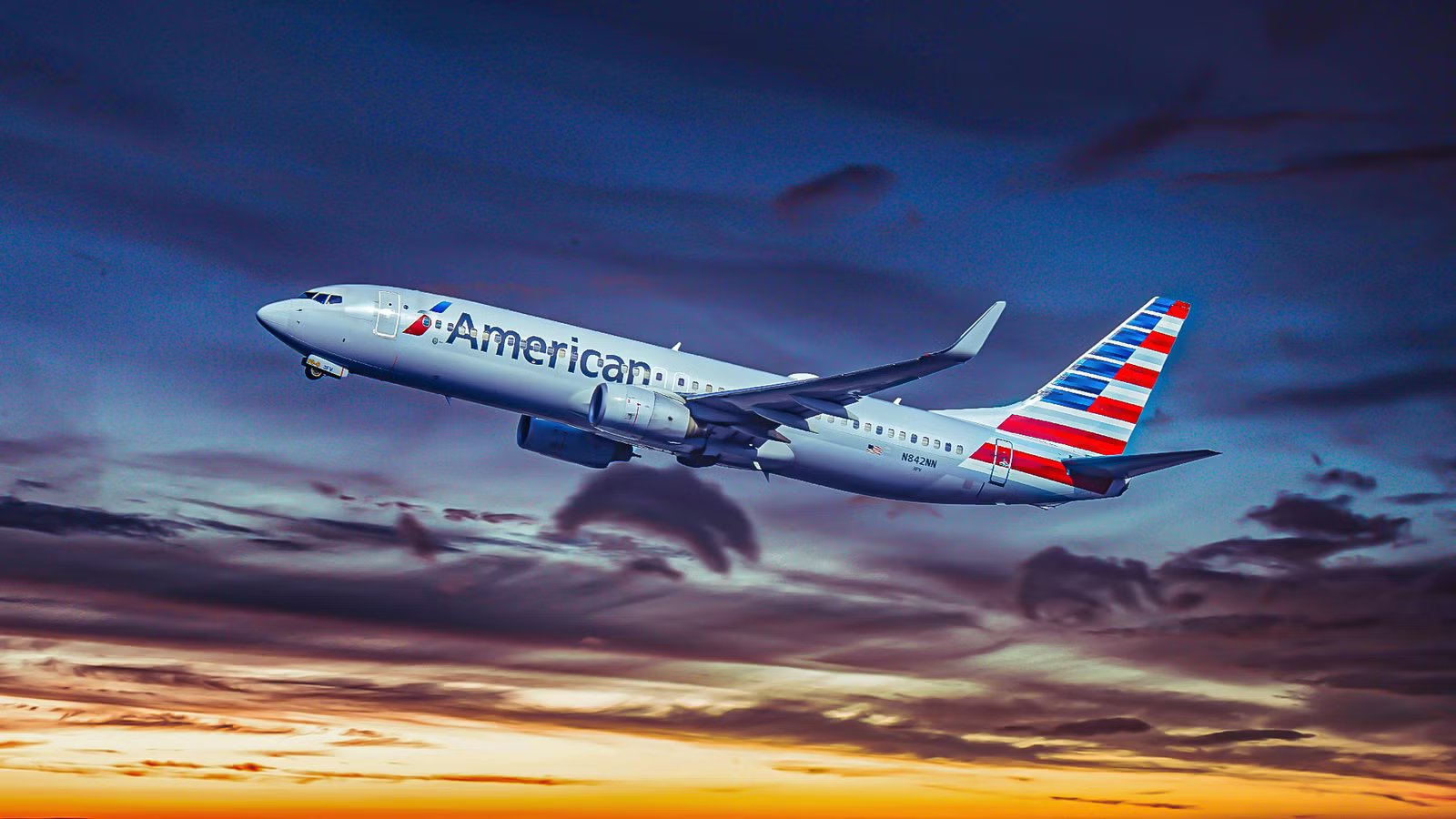
 American Airlines has a similar policy, as do most other carriers in the United States, as well as overseas. In fact, in recent years, the US Department Of Transportation has even considered making it a requirement for all commercial carriers that transport passengers in the US. The caveat to the new United policy is the inclusion of a potential permanent ‘no-fly’ status being put on rule breakers.
While United Airlines appears to be taking a hard line stance on passengers who violate the quiet cabin rules, at the same time, the new policy also provides allowance for non-malicious cases. Travel expert Scott Keyes told CBS News that while the policy against media playing over speakers in the cabin is widespread, the potential to permanently ban travelers is unprecedented in the commercial aviation industry. He remarked:
“It’s usually only a small number of folks on airplanes who are making noise by not using headphones, so this is a graceful way to handle those folks.”
The Challenge To Cabin Crew

Airlines around the world train flight attendants to handle unruly passengers with the benefit-of-doubt and the most grace possible before resorting to penalties. When a traveler simply misplaces or, for any reason, does not bring headphones on the flight, UA will provide a complimentary pair of earbuds. This accommodation is meant to ensure that all passengers can enjoy their flight without disturbing others, whether they want to sleep or binge-watch.
The first approach to a flyer that is obviously violating a basic form of etiquette and common courtesy, such as playing media over speakers in the cabin, is to explain the rule in a friendly manner. If that doesn’t work, FAs attempt to gain compliance through persuasive communication. Unfortunately, some travelers are truly resistant to even the best efforts which forces the airline to take action in the form of harsher penalties and stricter regulations.

The Things Flight Attendants Notice About You The Second You Come Onboard
The judgments flight attendants make during boarding are essential for everyone’s safety.
Avoiding A Noisy Ride

If you want to enjoy a quiet and peaceful flight on your next trip through the friendly skies, there are a few tips to follow which can improve your odds of a tranquil travel experience. When it comes to avoiding the natural sounds of flying, being seated forward of the wing is a basic principle, but when it comes to avoiding cabin noise from other travelers, the recommendation is similar but for different reasons.
One of the most obvious is booking a seat near the front of the cabin; that means first class or business class. Not only is this area exposed to less engine noise, but because there is a lower passenger concentration and the premium cabin typically has more business flyers or travelers who specifically want to sleep, the odds are much better that it will be a quiet atmosphere. Additionally, this tends to be more easily and frequently observed by cabin crew, ensuring any disruption is quickly dealt with.
Depending on the size of the airplane and the layout of the rows, families and groups traveling together will typically be seated in the middle or rear sections. Those sections have more seats together in close proximity and the price per seat is more economical for larger travel groups. Barring the outliers who simply have no respect for others, typically avoiding sections where people travel with more companions is the best advice.