dailynewsnblog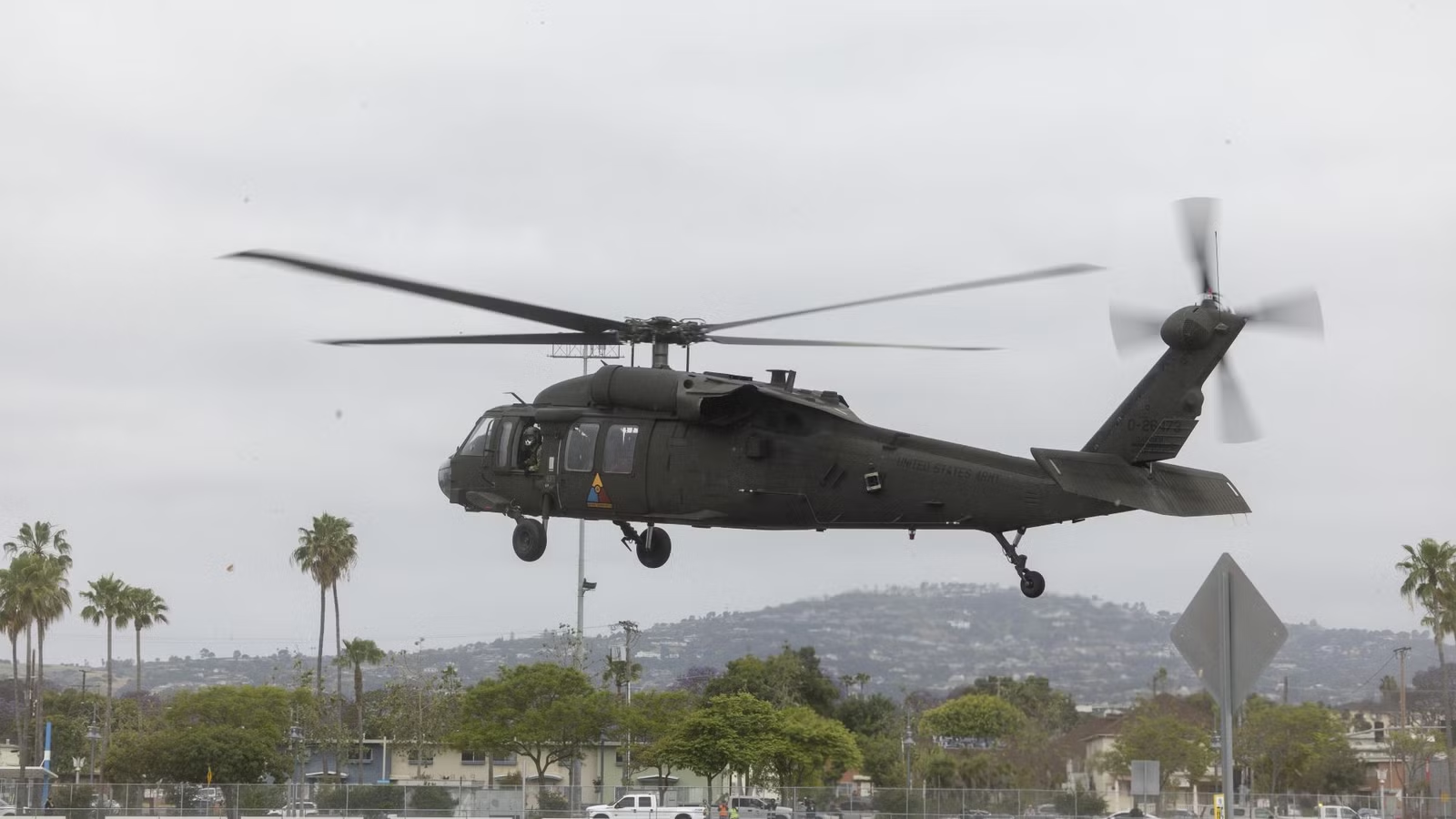
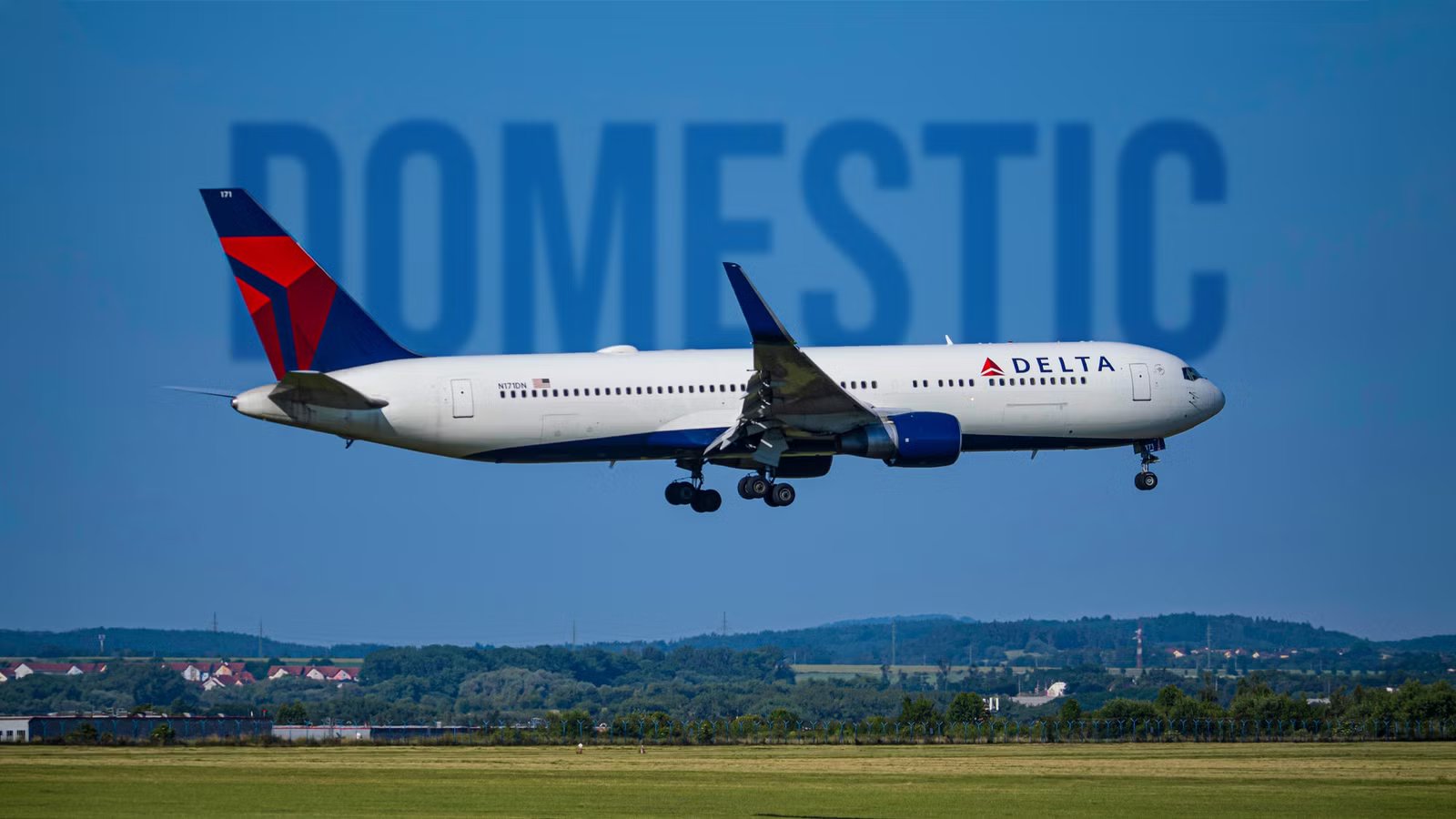
Around 8:40 PM (PST) on Tuesday, March 24, a Sikorsky UH-60 Blackhawk helicopter of the US Army passed within 500 feet of a United Airlines Boeing 737-800 passenger jet. The airliner, reading as flight UAL589, flew over and behind the helicopter as it was headed into John Wayne Airport (SNA) on final approach to land.
The Federal Aviation Administration is now investigating how this near-miss unfolded. Public flight data from Flightradar24 shows a vertical separation of 500 feet and less than 1,500 feet of horizontal separation between the two aircraft at the moment when their courses passed at the point of closest proximity.
Flight UAL589: The Push for Heightened Vigilance at America’s Airports Continues

This investigation comes only a week after the FAA issued a new airport directive designed to improve safety specifically involving helicopters of the US Armed Forces around civilian airports. The response is part of an ongoing effort to improve wider safety around the nation in the wake of the tragedy of Flight 5342 at Ronald Reagan National Airport (DCA) in 2025. The most recent updated guidance prohibits flying under visual separation rules between helicopters and airports.
Air Traffic Control at John Wayne had advised the airliner’s pilots to watch for the military helicopter that was flying near the airport before the moment when the plane flew over it. This is in compliance with the new FAA instructions that require ATC to manage lateral and vertical separation using radar and other instrument guidance tools. Despite improved measures, the close call triggered a Traffic Collision Avoidance System warning, the most serious cockpit alert that requires immediate pilot action.
A spokesperson for  United Airlines told NBC News that the air crew received the TCAS alert on the flight deck and leveled their aircraft during the landing approach out of caution. The airline’s representative remarked:
“They saw the helicopter, and also received a traffic alert, which they responded to by leveling the aircraft.”
Flight AA5342: The Clear and Present Danger of Relaxing Airspace Safety

FAA has placed new restrictions on all the nation’s busiest airports to improve safety between the US Army and other military helicopters while flying through airspace dominated by commercial air traffic. The need for this airspace management reform was highlighted by the continued occurrence of close calls around DCA even after the loss of 67 souls aboard Flight 5342 when it hit a Blackhawk during landing on January 29, 2025.
Fortunately, the jetliner with its 162 passengers and six crew members all landed safely and there was no collision or other dangerous outcome from Tuesday night’s incident. However, there have been other concerning moments in the early months of 2026 between other helicopters and commercial jets.
NBC reported that American Airlines flight 1657 was cleared to land at San Antonio International Airport when a police helicopter was already on final approach and forced to divert in the interest of safety. The outlet also recounted an incident earlier this month at Hollywood Burbank Airport, near to SNA, where a general aviation Beechcraft 99 and a helicopter were involved in a near miss as well.

NTSB Chair Slams New Defense Bill, Says Skies Near Reagan National Airport Will Be Less Safe
The Pentagon wants to open up DCA airspace.
The Political Issues Overriding Safety In America’s Skies

Despite attempts to improve safety in the wake of the terrible loss of life last year, the National Transportation Safety Board has publicly clashed with other members of the federal government over a lack of cooperation and other inter-departmental issues. The NTSB has complained that the revised version of the aviation safety bill currently being considered has significantly ‘watered down’ the agency’s recommendations.
NTSB chair Jennifer Homendi publicly complained that the FAA and Transportation Department were stonewalling her agency by withholding information and not cooperating during the investigation of the fatal DCA midair collision. Earlier this year, two prominent investigators involved in the DCA case were removed from the NTSB without explanation by the Trump Administration, with a former American Airlines executive expected to serve as replacement.
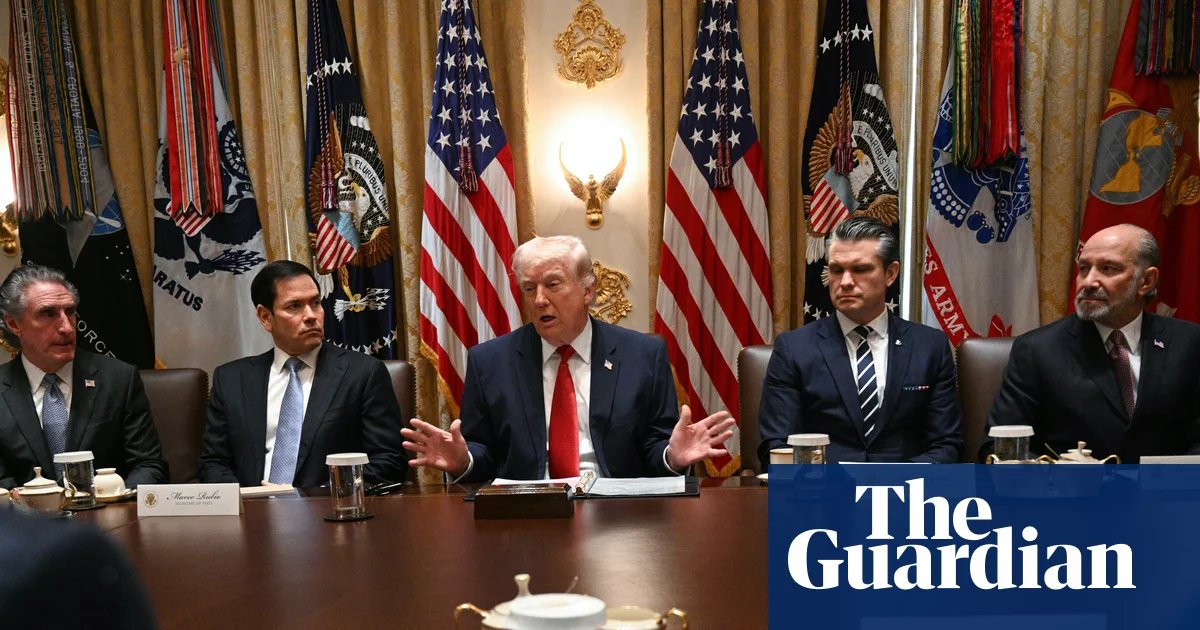
Tensions have escalated between the NTSB and the executive branch over how to address these safety failures and who bears responsibility. President Trump has suggested that air traffic controller errors or previous administrations’ ‘diversity hiring policies’ were to blame for the 2025 collision, diverging from NTSB findings that cited broader systemic failures and ignored warnings within the FAA.