dailynewsnblog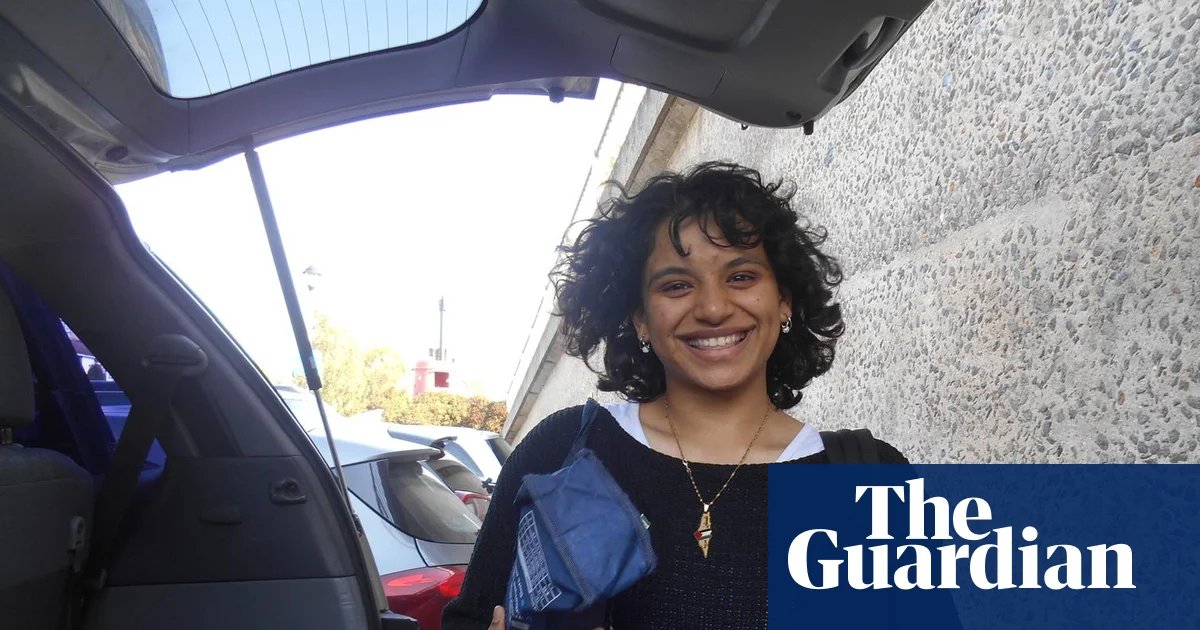
UN experts have expressed “grave concern” for the wellbeing of Palestine Action-affiliated hunger strikers and warned their treatment raises questions about the UK’s compliance with international human rights laws.
Eight prisoners have been on hunger strike while awaiting trial for alleged offences relating to Palestine Action before the group was banned under terrorism legislation. Qesser Zuhrah, 20, and Amu Gib, 30, who are being held at HMP Bronzefield in Surrey, were on hunger strike from 2 November to 23 December. Heba Muraisi, 31, who is at HMP New Hall, joined the pair on 3 November. The group also includes Teuta Hoxha, 29, Kamran Ahmed, 28, and Lewie Chiaramello, 22, who is refusing food every other day because he has diabetes.
Zuhrah and Gib temporarily resumed eating on Tuesday evening, according to a statement released by the Prisoners for Palestine group, owing to deteriorating health, but vowed to resume the protest action next year.
On Friday a group of UN experts including Gina Romero, the UN special rapporteur on the rights to freedom of peaceful assembly and of association, and Francesca Albanese, the UN special rapporteur on the occupied Palestinian territories, issued a statement expressing alarm at the group’s treatment.
“Hunger strike is often a measure of last resort by people who believe that their rights to protest and effective remedy have been exhausted. The state’s duty of care toward hunger strikers is heightened, not diminished,” the experts said.
On Sunday, three of the prisoners – Zuhrah, Gib and Ahmed – were simultaneously in hospital. Ahmed has been admitted to hospital three times since going on hunger strike. The experts added: “Authorities must ensure timely access to emergency and hospital care when clinically indicated, refrain from actions that may amount to pressure or retaliation, and respect medical ethics.”
Last week, Prisoners for Palestine, a prisoner-led collective in Britain, said the Prison Service was reported to have denied an ambulance entry into Bronzefield on Tuesday afternoon for Zuhrah, even though she was unable to stand and was writhing in pain on her cell floor. She was taken to hospital after protesters gathered outside the jail where she was being held to demand she receive urgent medical attention.
“These reports raise serious questions about compliance with international human rights law and standards, including obligations to protect life and prevent cruel, inhuman or degrading treatment,” the experts said. “Preventable deaths in custody are never acceptable. The state bears full responsibility for the lives and wellbeing of those it detains,” they added. “Urgent action is required now.”
On Monday, families and supporters of the hunger strikers pleaded with David Lammy, the justice secretary, to meet them as lawyers for the group sent a legal letter claiming that, by refusing a meeting, the justice secretary had failed to comply with the Ministry of Justice’s own policy on handling of hunger strikes.
There is understood to be concern in government about the condition of the prisoners, but also extreme caution about setting a precedent even to facilitate a meeting with Lammy, given the number of prisoners who are forced to spend lengthy periods on remand because of the court backlog.