dailynewsnblog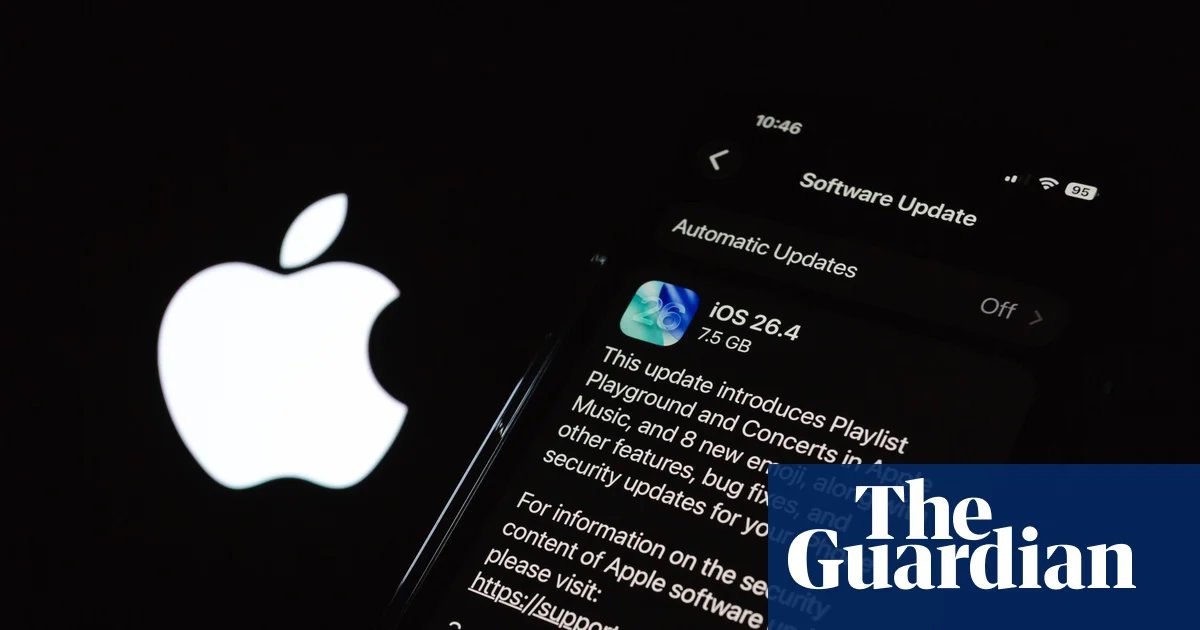
Millions of Apple iPhone customers in the UK will now have to confirm they are 18 or older to use all available services, including by showing a credit card or by scanning an ID.
The move – believed to be a first for a European market – comes amid pressure on tech companies from the government to do more to protect children online.
The new requirement will be included in a software update. It was welcomed by Ofcom, the online regulator, which called it “a real win for children and families” and said it was part of a wider drive to “keep young people away from harmful content”.
However, some users complained it raised concerns about privacy of information that is uploaded to prove age. One on Reddit said: “Myself and everyone I know (wife, friends, family, colleagues, etc) are doing everything to bypass these overreaching age checks. I want to have a choice on each occasion to skip or cancel if asked to prove my age.”
Apple said in an online post announcing the change: “Adults will have to confirm that they’re 18 or older to use certain services or features, or take certain actions on their account. You can confirm your age with a credit card or by scanning an ID.
“If you already have an account, Apple will check if you have a payment method on file or other eligible methods available to confirm that you’re 18 or older.”
To confirm someone is an adult, a credit card – but not a debit card – can be uploaded to the user’s Apple account or they can scan their driving licence or national ID. Apple was unable to immediately say what services, features or actions would be inaccessible without age confirmation.
The move comes after many web services, including pornography websites, introduced age verification gates in order to comply with the Online Safety Act’s measures to protect children from harmful content. App stores are not covered by that law and Apple’s decision means “the UK will be one of the first countries in the world to receive new child safety protections on devices”, Ofcom said.
The watchdog had already said it would report in January next year on the use of app stores by children to assess their role in children encountering harmful content. It said it would then evaluate the use and effectiveness of age assurance by app store providers.