dailynewsnblog
TORONTO — Stock markets in Canada and the U.S. reversed course to finish in positive territory as the price of oil was up, but off the highs reached earlier in the day.
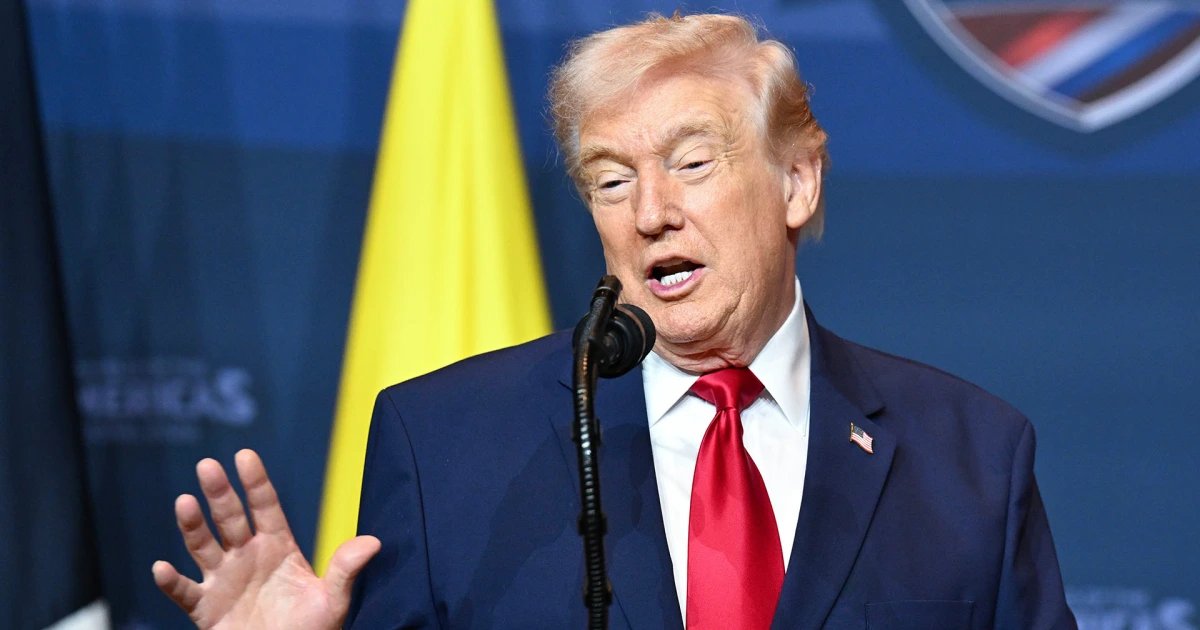
Brianne Gardner, senior wealth manager at Velocity Investment Partners of Raymond James, said markets pivoted on comments from U.S. President Donald Trump regarding the U.S.-Iran conflict. Trump told CBS News that he thinks “the war is very complete, pretty much.”
“I think markets are in the re-pricing phase, so investors are really digesting the information and data as it comes in, not necessarily panicking, which I think is good,” she said.
The S&P/TSX composite index was up 105.60 points at 33,189.32.
Gardner said the TSX has benefited when oil markets tighten, “especially being an energy-heavy index.”
In New York, the Dow Jones industrial average was up 239.25 points at 47,740.80. The S&P 500 index was up 55.97 points at 6,795.99, while the Nasdaq composite was up 308.27 points at 22,695.95.
The April crude oil contract was up US$3.87 at US$94.77 per barrel after nearly reaching US$120 in earlier trading.
The move in the price of crude came as Bahrain’s national oil company declared force majeure for its shipments after an Iranian attack set its refinery ablaze and oil depots in Tehran smouldered following overnight strikes by Israel.
Earlier in the day, there were growing concerns about whether the global economy could withstand spiking prices for oil, which briefly got to nearly US$120 per barrel on Monday.
The U.S. stock market has a history of bouncing back relatively quickly from past military conflicts, such as Russia’s invasion of Ukraine in 2022, as long as oil prices don’t stay too high for too long.
Gardner said March is typically a seasonally volatile period for the market.
“If oil stabilizes below recent highs, markets could quickly refocus on fundamentals rather than geopolitical risks that are in the news and the media at this time,” she said.
The Strait of Hormuz, a narrow waterway off Iran’s coast that a fifth of the world’s oil sails through on a typical day, has seen tanker traffic all but stop because of worries about a possible attack by Iran.
“With the Strait of Hormuz effectively closed, the current shock is a problem of supply for the oil and natural gas that keep the global industrial base running,” RSM chief economist Joseph Brusuelas said in a note Monday.
How the situation will play out, Brusuelas said, will depend on the duration of the conflict, how long the Strait of Hormuz is effectively closed and how long it may take to rebuild damaged facilities.