dailynewsnblog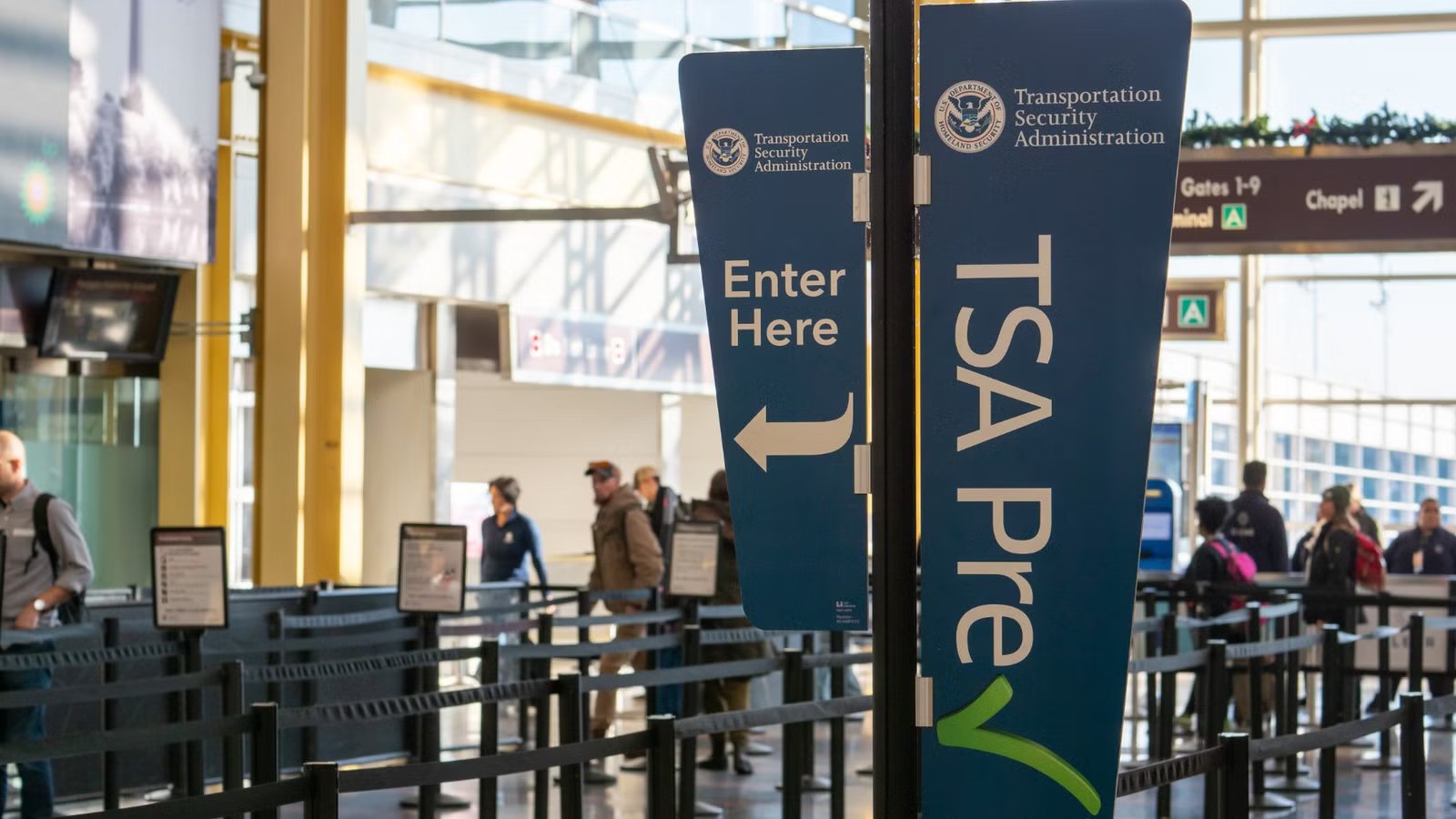
As of this morning (Sunday, February 22), the United States Department of Homeland Security (DHS) will suspend its TSA PreCheck and Global Entry programs. This announcement comes at short notice, but it remains a consequence of Republicans and Democrats failing to secure an agreement when it comes to immigration enforcement reform within the nation.
While the DHS has been on partial shutdown, airlines within the country are urging the relevant parties to reach an agreement soon, to ensure the DHS has the required resources to maintain border security, without compromising passenger experience at airports.
TSA PreCheck And Global Entry Suspended

Beginning Sunday, February 22, 06:00 AM Eastern Time, the Department of Homeland Security will be suspending the use of the TSA PreCheck and Global Entry lanes across all airports in the US. This announcement comes at short notice, which would have left several passengers eligible for these programs with no alternative but to follow the regular security protocols at the airports.
According to reports from Reuters, this is the subsequent development of the partial DHS shutdown, which began last week, after Republicans and Democrats failed to achieve an agreement regarding the nation’s immigration enforcement reforms. While this shutdown of fast-track lanes definitely impacts passengers, it also has a wider impact on airline operations and, more importantly, border security.
Airlines in the US are not happy with this recent development, as situations such as these could force airlines to cancel or reduce services, creating significant operational disruptions. Chris Sununu, the CEO of Airlines for America (A4A) released the following statement in their press release:
“Airlines for America is deeply concerned that TSA PreCheck and Global Entry programs are being suspended and that the traveling public will be, once again, used as a political football amid another government shutdown.”
Impacts From The Last Shutdown

The airlines are urging the relevant parties within the government to reach an agreement so that the DHS can resume operations with the resources it requires to function normally, because the last time there was a government shutdown (albeit at a larger scale), it was not only passenger travel, but the airlines’ operations were significantly impacted as well.
The post-shutdown data analysis indicated that during the 43-day government shutdown in the fall of 2025, over 9,000 flights were cancelled or delayed, which in turn negatively affected over six million passengers. Reports indicate that the total shutdown and the affected disruptions approximately cost the industry losses totalling up to $6.1 billion.
While the previous shutdown affected Air Traffic Controllers and the TSA Border Protection agents, this time, the DHS shutdown has left about 50,000 essential TSA officers having to face unpaid work, right as the spring break travel demand is approaching in the coming weeks. Ultimately, this could lead to longer wait times for passengers, subsequently resulting in flights getting delayed, and airlines having to face the cost operational disruptions and accommodating passengers whose flights have been disrupted.

Does TSA PreCheck Really Save You Time?
At almost $80 for a five-year membership, is PreCheck worth it?
Are There Any Solutions For this?

While an agreement within the government is ultimately what is required, there are a number of other short-term solutions that could be explored in the meantime, which involve other stakeholders.
First option being, all passengers prepare and plan ahead for their travel and arrive at the airport, keeping in mind the longer waiting times, possibly accounting for an additional hour or two at the airport (depending on the airport and time of day). Reports indicate that there are over 20 million active members eligible for the PreCheck program, while the Global Entry program has over 40 million members, all of whom will now have to be processed in the standard manner.
Another possible short-term solution would be what was demonstrated by  Denver International Airport (DEN) during the previous shutdown, wherein the airport made a proposal to the FAA, which would see the airport temporarily pay the wages of the TSA agents and other federal staff based at the airport. While this proposal was not approved at the time (considering the shutdown ended four days later), it is an idea that would allow airports with enough revenue to support the TSA staff in exchange for retaining full operational capabilities.