dailynewsnblog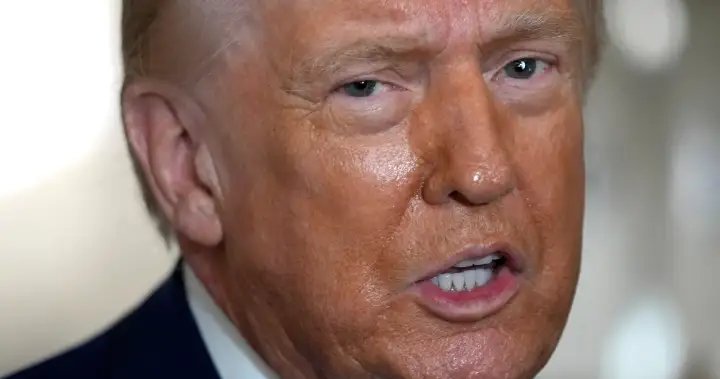
- Read the timeline of all Trump’s tariffs imposed so far here

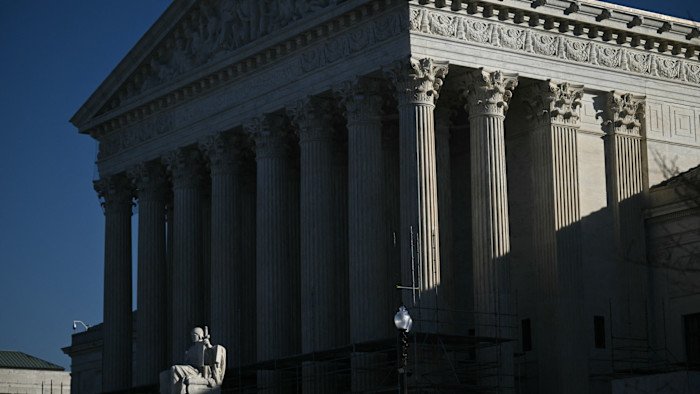
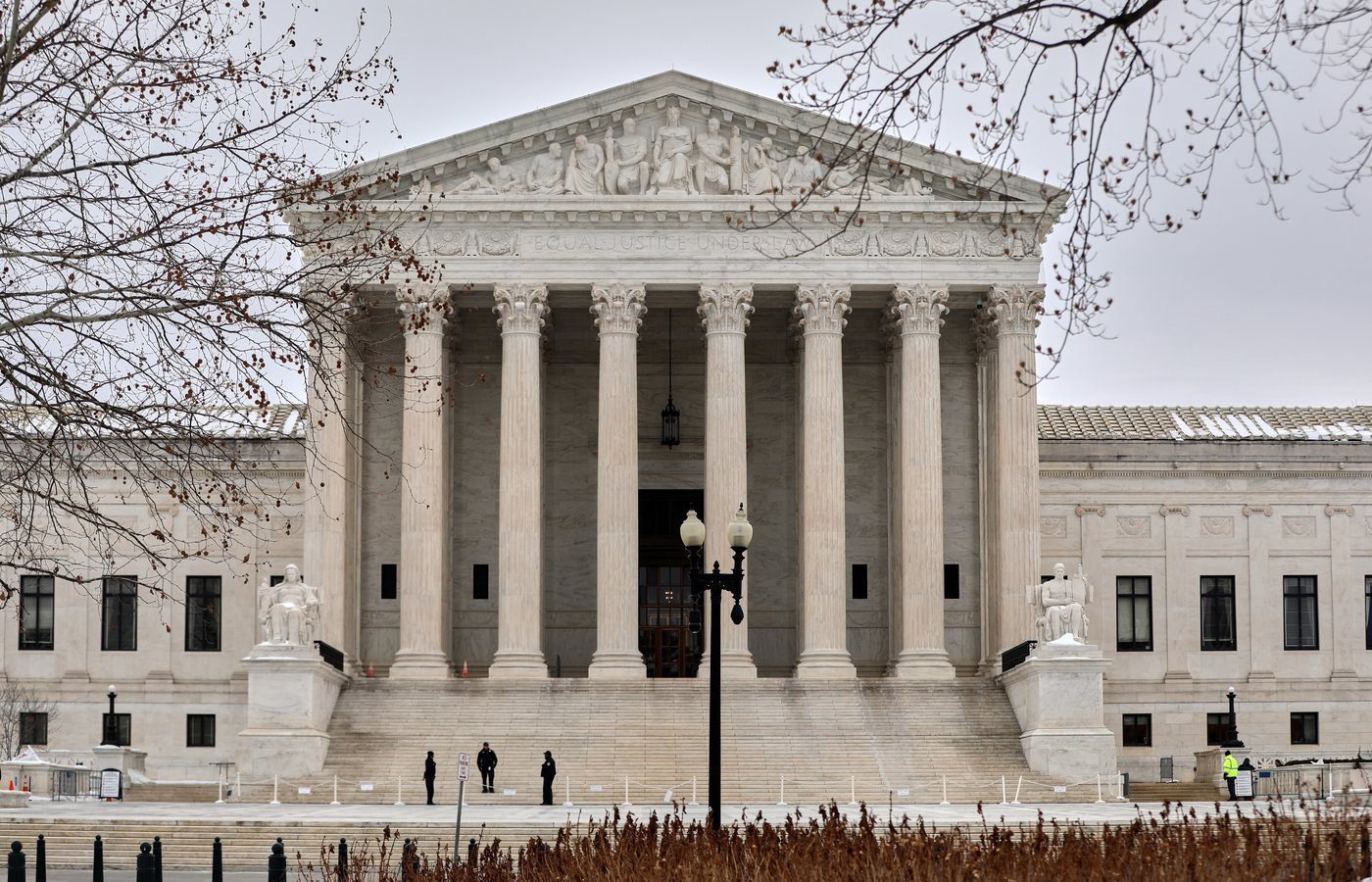
The U.S. Supreme Court on Friday ruled that U.S. President Donald Trump overstepped his presidential authority by imposing tariffs on Canada, Mexico and other countries under emergency powers, striking down a central economic and diplomatic strategy that has upended global trade.
A majority of the justices sided with lower courts that had found Trump improperly used tariffs to respond to national emergencies he declared over fentanyl trafficking in North America and international trade deficits, the latter of which led to so-called “reciprocal” tariffs against dozens of nations.
The ruling is a blow to Trump, who has said the tariffs are “vital” negotiating tools to reach deals on trade and foreign policy, and are helping reduce the national debt and pay for certain domestic policy priorities.
The impact of the ruling is not immediately clear.

Trump can still impose tariffs under other authorities, including a national security clause known as Section 232 that targets specific industries rather than countries. Those tariffs on goods including steel, lumber and automobiles remain in place.

Get breaking National news
For news impacting Canada and around the world, sign up for breaking news alerts delivered directly to you when they happen.
A vast majority of goods from Canada and Mexico have also been exempt from the fentanyl-related tariffs due to the Canada-U.S.-Mexico Agreement on free trade (CUSMA). Several countries have also since struck new trade deals with the U.S. that replaced the “reciprocal” tariffs with lower duties.

American businesses forced to pay the tariffs will likely seek refunds from the U.S. government.
A coalition of business owners that signed onto the case, organized under the name We Pay the Tariffs, said Thursday that revenues from presidential tariffs totalled a record US$175 billion between March and October of last year.
The case involved a pair of lawsuits that challenged Trump’s use of the International Emergency Economic Powers Act (IEPPA), a 1977 law that allows the president to manage economic transactions during an emergency.
Trump first used the law in February to declare a national emergency over fentanyl trafficked into the U.S., and imposed economy-wide tariffs on Canada, Mexico and China to force action from those countries on the issue.


He then declared persistent U.S. trade deficits a national emergency in April, leading to what he called “Liberation Day” and the “reciprocal” tariffs on most of the rest of the world.
The plaintiffs argued the IEEPA makes no specific mention of tariffs as a remedy to national emergencies, that Trump’s tariffs are an inappropriate response to the specific emergencies he declared — particularly the one over the fentanyl crisis — and that persistent trade deficits aren’t an “emergency” at all.
They also pointed out that the U.S. Constitution gives Congress the sole authority over domestic and foreign taxes, which includes tariffs on countries as a whole.
The Trump administration argued the law’s language allowing the president to regulate imports in response to a national emergency includes tariffs. Trump has also said he should have the right to impose tariffs quickly as a negotiating tool, since Section 232 and other tariff measures that don’t require congressional approval require studies and reports that can take weeks or months to complete.
Although many U.S. Supreme Court justices had appeared skeptical of Trump’s position during oral arguments in November, experts had cautioned the high court’s conservative majority has expanded presidential authority in recent years.
Friday’s ruling marks a rare rebuke of Trump’s own push to expand the powers of the presidency at the expense of congressional oversight.
More to come.
© 2026 Global News, a division of Corus Entertainment Inc.