Trending News:5 Aircraft That Still Play A Key Role In US Defense StrategyIsrael Strikes Iran’s Largest Petrochemical ComplexCanada Gazette – Part I, October 19, 2024, volume 158, number 42Trump Threatens Iran With ‘Hell’ as Search for Airman ContinuesThe FCC’s Router Ban Is About to Become a ‘Mess.’ Here’s What It Means for Your Home Network‘Snoopy Presents: A Summer Musical’ Interview: Ben FoldsArtemis II crew speaks with NBC News from Orion capsuleThe Super Mario Galaxy Movie Box Office Report And How Merch Sales Compare To Taylor Swift MovieWhy Ontario’s housing market went bust while others climbedGeno Auriemma needs to be better than bizarre postgame actions against South CarolinaWATCH: Meet the 8-year-old who designed official moon mascotEven Artemis II Astronauts Have Microsoft Outlook ProblemsIsraeli measures tighten grip on Hebron’s Ibrahimi Mosque | Israel-Palestine conflict NewsOccupied Palestinian Territories: joint statementLabor market turns upside down as the economy can shed jobs and still keep unemployment low amid immigration reversalCanada falls to Sweden 9-6 in final of men’s curling worldsGreening at the border: Carbon Border Adjustment Mechanism incidence on EU member states and their trading partnersThe Classic Dresser Trends to Know About for Spring 2026Vehicle hits revelers during Lao New Year celebration in LouisianaBaby Kennedy! Passenger Gives Birth Onboard Caribbean Airlines Flight At New York-JFKPeter Thiel’s big bet on solar-powered cow collarsCounty Championship: Leus du Plooy puts Middlesex on top against GloucestershireThe Best Deals Today: Final Fantasy VII Remake Intergrade, Super Mario Galaxy + Super Mario Galaxy 2, and MoreIran conflict to forefront of UK religious and political leaders’ Easter messages | US-Israel war on IranPart I, Volume 158, 3rd quarterly indexArtemis II toilet acts up again as astronauts speed toward the moon to break Apollo 13’s recordPatient stabbed in Edmonton ER waiting room as dozens witness attackParker, Delle Donne and 1996 U.S. Olympic women’s basketball team set for Hall of Fame enshrinementMore than 20 people injured after driver crashes into crowd at Louisiana parade | LouisianaThe Spaceballs sequel will be released in April next yearSatellite image company restricts Mideast content, citing a U.S. government request.Minister Anand meets with U.S. Secretary of State Marco Rubio in Washington, D.C.Blue Jays catcher Alejandro Kirk expected to miss significant time with fractured thumbCounty DIV1 2026, HAM vs ESS 2nd Match Match Report, April 03 – 06, 2026Super Mario Run Celebrates The Super Mario Galaxy Movie With A New EventThis Airline Sacrifices Revenue Seats To Give You The Most Spacious Economy Class In 2026Inside Casa Brera, Milan’s Fashion-Favorite HotelAt Least 15 Injured After Driver Plows Into a Louisiana FestivalI Saw the Future of Tech Art in PhillySoo Greyhounds win Game 5 to end London Knights 2025-26 season – LondonLewandowski claims late La Liga win for Barcelona at Atletico | Football NewsCanada Gazette – Part I, October 26, 2024, volume 158, number 43Rise in number of girls being identified as victims in county lines exploitation, data shows | County linesTech companies are trying to neuter Colorado’s landmark right-to-repair lawUse DraftKings promo code to get $200 bonus bets for Pistons-76ers, Mets-Giants, UFC Fight Night on SaturdayHave a gander at this cut Elden Ring scene showing a smidge of DLC boss Miquella’s past2 arrests at rally for Iran outside U.S. consulateHow Much Does It Cost To Operate A Boeing 777 In 2026?White House asks for record-breaking $1.5 trillion for defense in new budget requestMultiple people injured after car strikes pedestrians at Lao New Year parade in LouisianaAnthropic Says That Claude Contains Its Own Kind of EmotionsHalsey’s Black Lace Look Is Pure Gothic GlamUS says it has arrested relatives of late Iranian general Qasem SoleimaniJoint statement on Ukraine’s Independence Day From ‘bird leg syndrome’ to solar storms: Roberta Bondar breaks down Artemis II mission – NationalHiggins thumped by Zhao in heaviest defeat of careerThree-week-old mountain lion cub rescued by California biologists | CaliforniaEmbattled startup Delve has ‘parted ways’ with Y CombinatorOur first look at Alex Garland’s Elden Ring movie might be in this leaked set footage from a lucky fan in the UKHere’s how two airmen would have ejected from the F-15E.Canada Gazette – Part I, November 2, 2024, volume 158, number 44Meloni hails arrest of top crime family suspect after raid at an Italian resortThe 5 Longest US Domestic Flights You Can Fly Right NowScientist whose mother and sisters died of ALS complications hopes experimental treatment will save his lifeAn Italian court ruled Netflix has to refund its customers for price hikes dating back to 2017FA Cup: Watch Ross Stewart goal as Southampton take shock lead against ArsenalItalian council buys Mussolini’s villa to keep it away from ‘fascist nostalgics’ | Benito MussoliniMeloni hails arrest of top crime family suspect after raid at an Italian resort6 Chic Bag Trends I Keep Seeing in My Brooklyn NeighborhoodHow will Pakistan deal with the fallout from Iran war? | US-Israel war on IranMinister Sidhu to visit Brazil and Colombia to strengthen trade tiesSearch for missing US crew member of downed fighter jet enters second day | US-Israel war on IranToday’s NYT Wordle Hints, Answer and Help for April 5 #1751Crimson Desert patch now available – here’s what’s new2 dead following shooting in Brampton schoolyard, Peel police sayTo reach the Final Four, Illinois needed to think outside the box. And country.Virginia fires coach Agugua-Hamilton after 1st Sweet 16 since 2000US Inflation Seen Spiking in First Snapshot Since Iran WarHouston Cheers on Artemis II Moon Mission, Reclaiming Its Place as ‘Space City’What Happens When a Nuclear Site Is Hit?American Express Business Gold Card review: Full detailsFourth person arrested over arson attack on Jewish ambulances in London | UK newsEmergency care improvements coming to Kelowna…Artemis II’s Jeremy Hansen calls Project Hail Mary ‘a real treat’ before his space mission | Artemis IIAmericans are getting smaller pay raises as inflation ticks upJewish-owned restaurant shot at in North York on FridayWhere Winds Meet interactive mapIran war the latest crisis affecting food banks as usage in Toronto hits record highUrsula K. Le Guin’s blog has been turned into a podcastCounty Championship: Critchley’s century has Essex in control against HampshireAsics’ Latest Low-Profile Sneaker Is Designed to Promote MindfulnessDeadly Earthquake and Floods Worsen Afghanistan’s TroublesCanada Gazette – Part I, November 9, 2024, volume 158, number 45Canada offers Toronto’s heartbroken Italians a jersey swap for World CupCrews making progress containing Southern California wildfireGeno Auriemma apologizes for dustup with Dawn Staley after Final Four loss to South CarolinaMotorola’s 2026 Razr Ultra Needs These Features to Win Me OverHunting for a cause: National Service Dogs hosts an Easter egg hunt for dogsWhy Premium Economy Isn’t Always Worth ItUniversities hit as US, Israel ramp up attacks on Iran’s infrastructure | US-Israel war on Iran News
Welcome to Daily News & Blog – your go-to source for the latest news, insightful blogs, and trending stories from around the world.
Who We Are
At Daily News & Blog, we are passionate about delivering accurate, timely, and engaging content across various categories, including world news, economy, technology, sports, gaming, travel, fashion, health, and more. Our goal is to keep you informed, inspired, and ahead of the trends.
What We Offer
✔ Breaking News & In-Depth Analysis – Stay updated with real-time updates and well-researched articles. ✔ Diverse Topics – Covering everything from global events to lifestyle, entertainment, and innovation. ✔ Engaging Blogs – Thought-provoking opinions and expert insights on trending subjects. ✔ Reliable Sources – We curate information from trusted news providers and industry experts.
Our Mission
We aim to be more than just another news website. Our mission is to create a platform where information meets authenticity, helping our readers navigate an ever-changing world with clarity and confidence.
Join Us
Follow us for daily updates and be part of a growing community that values knowledge and meaningful discussions.
📩 Have a story or feedback? Contact us at info@dailynewsnblog.com
Trending News:5 Aircraft That Still Play A Key Role In US Defense StrategyIsrael Strikes Iran’s Largest Petrochemical ComplexCanada Gazette – Part I, October 19, 2024, volume 158, number 42Trump Threatens Iran With ‘Hell’ as Search for Airman ContinuesThe FCC’s Router Ban Is About to Become a ‘Mess.’ Here’s What It Means for Your Home Network‘Snoopy Presents: A Summer Musical’ Interview: Ben FoldsArtemis II crew speaks with NBC News from Orion capsuleThe Super Mario Galaxy Movie Box Office Report And How Merch Sales Compare To Taylor Swift MovieWhy Ontario’s housing market went bust while others climbedGeno Auriemma needs to be better than bizarre postgame actions against South CarolinaWATCH: Meet the 8-year-old who designed official moon mascotEven Artemis II Astronauts Have Microsoft Outlook ProblemsIsraeli measures tighten grip on Hebron’s Ibrahimi Mosque | Israel-Palestine conflict NewsOccupied Palestinian Territories: joint statementLabor market turns upside down as the economy can shed jobs and still keep unemployment low amid immigration reversalCanada falls to Sweden 9-6 in final of men’s curling worldsGreening at the border: Carbon Border Adjustment Mechanism incidence on EU member states and their trading partnersThe Classic Dresser Trends to Know About for Spring 2026Vehicle hits revelers during Lao New Year celebration in LouisianaBaby Kennedy! Passenger Gives Birth Onboard Caribbean Airlines Flight At New York-JFKPeter Thiel’s big bet on solar-powered cow collarsCounty Championship: Leus du Plooy puts Middlesex on top against GloucestershireThe Best Deals Today: Final Fantasy VII Remake Intergrade, Super Mario Galaxy + Super Mario Galaxy 2, and MoreIran conflict to forefront of UK religious and political leaders’ Easter messages | US-Israel war on IranPart I, Volume 158, 3rd quarterly indexArtemis II toilet acts up again as astronauts speed toward the moon to break Apollo 13’s recordPatient stabbed in Edmonton ER waiting room as dozens witness attackParker, Delle Donne and 1996 U.S. Olympic women’s basketball team set for Hall of Fame enshrinementMore than 20 people injured after driver crashes into crowd at Louisiana parade | LouisianaThe Spaceballs sequel will be released in April next yearSatellite image company restricts Mideast content, citing a U.S. government request.Minister Anand meets with U.S. Secretary of State Marco Rubio in Washington, D.C.Blue Jays catcher Alejandro Kirk expected to miss significant time with fractured thumbCounty DIV1 2026, HAM vs ESS 2nd Match Match Report, April 03 – 06, 2026Super Mario Run Celebrates The Super Mario Galaxy Movie With A New EventThis Airline Sacrifices Revenue Seats To Give You The Most Spacious Economy Class In 2026Inside Casa Brera, Milan’s Fashion-Favorite HotelAt Least 15 Injured After Driver Plows Into a Louisiana FestivalI Saw the Future of Tech Art in PhillySoo Greyhounds win Game 5 to end London Knights 2025-26 season – LondonLewandowski claims late La Liga win for Barcelona at Atletico | Football NewsCanada Gazette – Part I, October 26, 2024, volume 158, number 43Rise in number of girls being identified as victims in county lines exploitation, data shows | County linesTech companies are trying to neuter Colorado’s landmark right-to-repair lawUse DraftKings promo code to get $200 bonus bets for Pistons-76ers, Mets-Giants, UFC Fight Night on SaturdayHave a gander at this cut Elden Ring scene showing a smidge of DLC boss Miquella’s past2 arrests at rally for Iran outside U.S. consulateHow Much Does It Cost To Operate A Boeing 777 In 2026?White House asks for record-breaking $1.5 trillion for defense in new budget requestMultiple people injured after car strikes pedestrians at Lao New Year parade in LouisianaAnthropic Says That Claude Contains Its Own Kind of EmotionsHalsey’s Black Lace Look Is Pure Gothic GlamUS says it has arrested relatives of late Iranian general Qasem SoleimaniJoint statement on Ukraine’s Independence Day From ‘bird leg syndrome’ to solar storms: Roberta Bondar breaks down Artemis II mission – NationalHiggins thumped by Zhao in heaviest defeat of careerThree-week-old mountain lion cub rescued by California biologists | CaliforniaEmbattled startup Delve has ‘parted ways’ with Y CombinatorOur first look at Alex Garland’s Elden Ring movie might be in this leaked set footage from a lucky fan in the UKHere’s how two airmen would have ejected from the F-15E.Canada Gazette – Part I, November 2, 2024, volume 158, number 44Meloni hails arrest of top crime family suspect after raid at an Italian resortThe 5 Longest US Domestic Flights You Can Fly Right NowScientist whose mother and sisters died of ALS complications hopes experimental treatment will save his lifeAn Italian court ruled Netflix has to refund its customers for price hikes dating back to 2017FA Cup: Watch Ross Stewart goal as Southampton take shock lead against ArsenalItalian council buys Mussolini’s villa to keep it away from ‘fascist nostalgics’ | Benito MussoliniMeloni hails arrest of top crime family suspect after raid at an Italian resort6 Chic Bag Trends I Keep Seeing in My Brooklyn NeighborhoodHow will Pakistan deal with the fallout from Iran war? | US-Israel war on IranMinister Sidhu to visit Brazil and Colombia to strengthen trade tiesSearch for missing US crew member of downed fighter jet enters second day | US-Israel war on IranToday’s NYT Wordle Hints, Answer and Help for April 5 #1751Crimson Desert patch now available – here’s what’s new2 dead following shooting in Brampton schoolyard, Peel police sayTo reach the Final Four, Illinois needed to think outside the box. And country.Virginia fires coach Agugua-Hamilton after 1st Sweet 16 since 2000US Inflation Seen Spiking in First Snapshot Since Iran WarHouston Cheers on Artemis II Moon Mission, Reclaiming Its Place as ‘Space City’What Happens When a Nuclear Site Is Hit?American Express Business Gold Card review: Full detailsFourth person arrested over arson attack on Jewish ambulances in London | UK newsEmergency care improvements coming to Kelowna…Artemis II’s Jeremy Hansen calls Project Hail Mary ‘a real treat’ before his space mission | Artemis IIAmericans are getting smaller pay raises as inflation ticks upJewish-owned restaurant shot at in North York on FridayWhere Winds Meet interactive mapIran war the latest crisis affecting food banks as usage in Toronto hits record highUrsula K. Le Guin’s blog has been turned into a podcastCounty Championship: Critchley’s century has Essex in control against HampshireAsics’ Latest Low-Profile Sneaker Is Designed to Promote MindfulnessDeadly Earthquake and Floods Worsen Afghanistan’s TroublesCanada Gazette – Part I, November 9, 2024, volume 158, number 45Canada offers Toronto’s heartbroken Italians a jersey swap for World CupCrews making progress containing Southern California wildfireGeno Auriemma apologizes for dustup with Dawn Staley after Final Four loss to South CarolinaMotorola’s 2026 Razr Ultra Needs These Features to Win Me OverHunting for a cause: National Service Dogs hosts an Easter egg hunt for dogsWhy Premium Economy Isn’t Always Worth ItUniversities hit as US, Israel ramp up attacks on Iran’s infrastructure | US-Israel war on Iran News
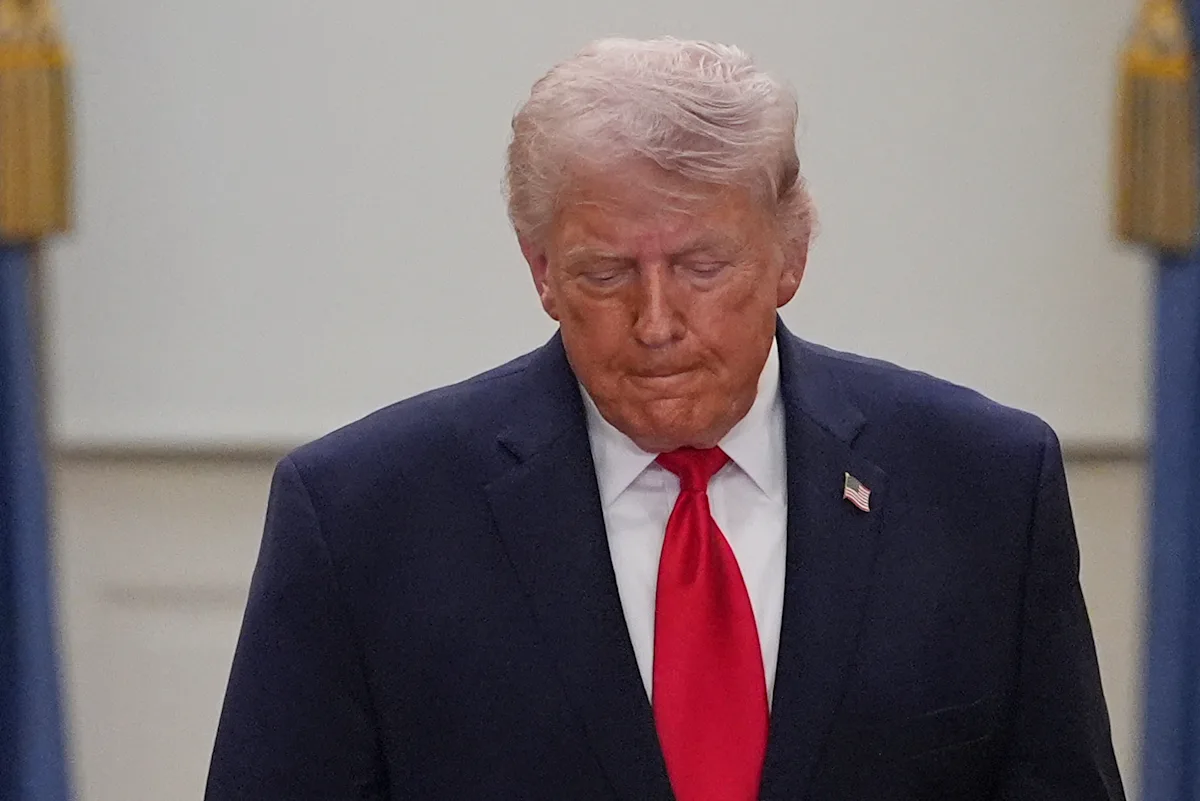
(Bloomberg) — President Donald Trump said Saturday that time was running out on his 10-day deadline for Iran to make a peace deal with the US and threatened that the Islamic Republic would face “all hell” in 48 hours.
“Remember when I gave Iran ten days to MAKE A DEAL or OPEN UP THE HORMUZ STRAIT,” Trump said in a social-media post the day before Easter. “Time is running out — 48 hours before all Hell will reign down on them. Glory be to God!”
Trump had extended a five-day deadline to April 6 as preliminary discussions for peace talks got under way in late March. As attacks intensified from all sides, including Iran’s downing of two US military aircraft, Trump’s rhetoric has hardened from his recent attempts to find a way out of the growing conflict.
Trump has warned that if Iran doesn’t agree to his terms — which the government has rejected — and open the Strait of Hormuz to all shipping traffic out of the Persian Gulf, the US would bomb the country’s civilian energy infrastructure, strikes that would likely constitute a war crime under international law.
In Iran, the US continued search-and-rescue operations for a crew member from an F-15E fighter jet shot down by Iran on Friday, as Tehran kept up attacks on Gulf Arab states and Israel.
A second US combat plane reportedly crashed in the Persian Gulf the same day. The incidents mark a significant blow for Washington as the war enters its sixth week with energy prices rising and little sign of an end to the conflict.
Trump declined to discuss the search-and-rescue operations in an interview with NBC News on Friday. He said the events wouldn’t affect any peace negotiations with Iran, according to a reporter who spoke to him on a call.
On Saturday, Iran said US-Israeli strikes hit petrochemical plants and forced the evacuation of a large industrial zone. Other attacks targeting the perimeter of Iran’s Bushehr nuclear power plant left one security staff member dead, Iran’s semi-official Tasnim news agency reported. The main sections of the facility, where Russia’s state nuclear company Rosatom has workers, were unaffected, Tasnim said.
Iran continued to fire missiles and drones across much of the Middle East. Dubai authorities reported that debris from an aerial interception fell on the facade of an Oracle Corp. building in Dubai Internet City on Saturday morning. They also reported debris hitting a building in the nearby Dubai Marina area. No fire or injuries were reported.
Iran fired more missiles at Israel. There was damage to a parking lot in Tel Aviv and to buildings in several outlying towns, authorities said, describing the impacts as caused by debris from interceptions. There were no immediate reports of casualties.
The downing of the US jet came despite Trump’s claim in a primetime address on Wednesday that Iran no longer had anti-aircraft equipment. His military commanders, as well as Defense Secretary Pete Hegseth, have previously touted US air superiority over Iranian territory.
It’s the first known combat loss of a US or Israeli plane since the two countries began attacking Iran on Feb. 28. Three US aircraft were downed by friendly fire in Kuwait early in the war, while others have been destroyed or damaged at airbases by Iranian drones and missiles.
The US rescued one of the F-15 crew members, according to an American official who asked not to be identified discussing sensitive information. The status of the second person is unclear and Iranian media said Tehran offered a reward of about $66,000 to citizens who capture the person alive.
The lone pilot of the second plane — an A-10 Warthog — was safely rescued, the New York Times reported.
Iran has continued to hit key energy infrastructure in the past two days.
The UAE’s largest natural gas processing facility, Habshan, suspended operations after debris from a projectile interception sparked a fire. A drone attack set ablaze Kuwait’s Mina Al-Ahmadi oil refinery, which can process almost 350,000 barrels a day of crude.
The United Arab Emirates, of which Dubai is a member, said it detected 79 projectiles fired from Iran on Saturday, including 23 ballistic missiles. That was the highest number of projectiles since March 8, according to data published by UAE authorities, and continued a trend of more numerous attacks over the last three days.
The UAE, like other Gulf states and Israel, has intercepted the vast majority of Iranian attacks.
Israel’s military said it hit air defense sites and missile storage facilities in a wave of airstrikes on Tehran on Friday. Iran said US-Israeli strikes hit a petrochemical zone in Mahshahr, in the southwestern Khuzestan province on Saturday. Authorities ordered the evacuation of all personnel and said any potential pollutants don’t pose a risk to nearby cities, the semi-official Fars news agency reported.
Iran has shown little sign of accepting Trump’s demands for peace and has laid out its own conditions — most of them unacceptable to the US and Israel.
The New York Times, citing US intelligence reports, said Iranian personnel have been digging out underground missile bunkers and silos struck by American and Israeli bombs and returning them to operation hours after attacks. That casts doubt on the US and Israel’s ability to destroy Iran’s missile capability — one of their key war goals.
Despite Trump’s weekend threat, the president signaled this week he may be willing to pull US forces out of the conflict in two to three weeks, even if the Strait of Hormuz is still effectively shut.
US allies are stepping up efforts to ensure the waterway — through which one fifth of the world’s oil and liquefied natural gas supplies normally flow — is reopened soon.
More than 40 of their foreign ministers met virtually on Thursday to discuss plans, signaling to Trump their concern about the closure.
On Saturday, Turkish President Recep Tayyip Erdogan said in a social media post that he spoke by phone with Mark Rutte, secretary-general of the North Atlantic Treaty Organization saying the situation was heading for a deadlock and “urged the international community to step up efforts to end the war.”
The group, convened by the UK, was clear that any ceasefire talks with Iran needed to include a solution for Hormuz, people familiar with the discussions said. Still, the meeting, which the US and Iran were not part of, showed the coalition of countries deem it necessary to prepare for having to reopen the strait without Washington.
Nations such as France and the UK have said military options are unlikely to work until there’s a ceasefire.
Bahrain, supported by Jordan and Arab Gulf states, is proposing a United Nations Security Council resolution aimed at helping re-open Hormuz, according to the UAE. It would provide “a clear legal basis for all states to mobilize and support safe passage,” the UAE said in a post on X.
It’s unclear when a vote on the resolution will take place.
Russia, an Iranian ally, pushed back on the initiative, with Foreign Minister Sergei Lavrov saying it would “legitimize aggression against Iran.” The comments signal Moscow may use its veto power, as one of five permanent members of the Security Council.
Iran appeared to tighten its grip on the strait on Thursday, when its media reported that the government is drafting a protocol with Oman to monitor traffic. That would require shippers to pay tolls to Iran, according to its deputy foreign minister.
The passage is officially in international waters and any attempt by Iran to assert control over traffic will be opposed strongly by Western powers and Gulf Arab states.
A trickle of ships is managing to pass through. A French container ship and a Japanese-owned tanker have crossed the Strait of Hormuz in the past two days, in what appear to be the first such transits since the war in Iran shuttered the crucial waterway.
The energy shock, which has seen gasoline pump prices in the country jump to more than $4 a gallon on average carries political risks for Trump and his Republican Party in the November midterm elections.
US benchmark oil prices, or WTI futures, closed at more than $111 a barrel last week and have almost doubled this year.
More than 5,000 people have been killed in the conflict, almost three-quarters of them in Iran, according to government organizations and the US-based Human Rights Activists News Agency. Just over 1,300 people have been killed in Lebanon, where Israel is fighting a parallel war against Iran-allied Hezbollah.
–With assistance from Dan Williams.
More stories like this are available on bloomberg.com
Trump Threatens Iran With ‘Hell’ as Search for Airman Continues
The United Arab Emirates, of which Dubai is a member, said it detected 79 projectiles fired from Iran on Saturday, including 23 ballistic missiles. That was the highest number of…
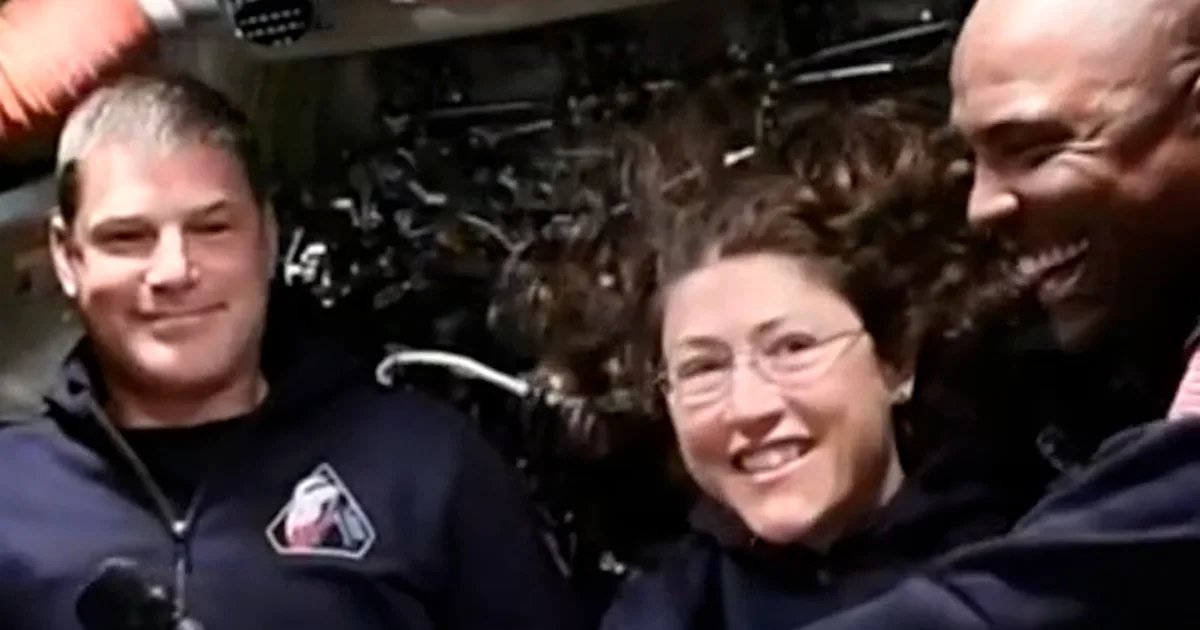
Artemis II crew speaks with NBC News from Orion capsule
IE 11 is not supported. For an optimal experience visit our site on another browser. Now Playing Artemis II crew speaks with NBC News from Orion capsule 00:47 UP NEXT…


 dailynewsnblog