dailynewsnblog
It’s been less than a year into the second Trump administration, and to many outside observers, US government policies appear confusing or incoherent. Yesterday provided a good example from the automotive sector. As has been widely expected, the White House is moving ahead with plans to significantly erode fuel economy standards, beyond even the permissive levels that were considered OK during the first Trump term.
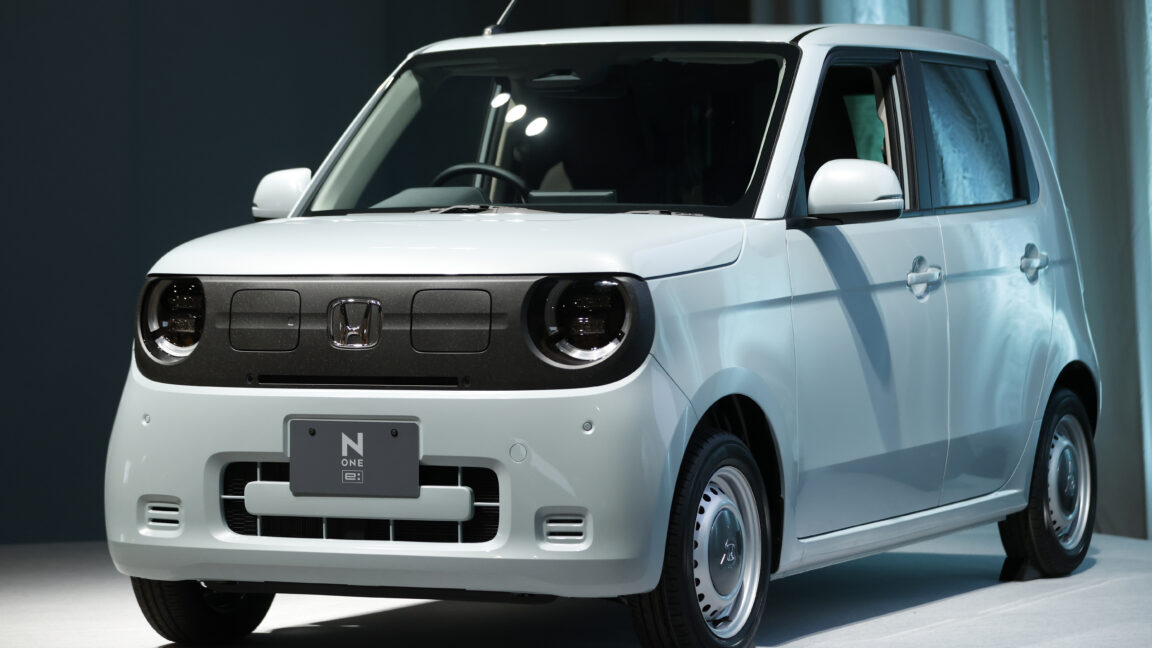
Yet at the very announcement of that rollback, surrounded by compliant US automotive executives, the president decided to go off piste to declare his admiration for tiny Japanese Kei cars, telling Transportation Secretary Sean Duffy to make them street-legal in the US.
50.4 mpg 40.4 mpg 34.5 mpg
A little over a decade ago, the Obama administration announced new fuel economy standards for light trucks and cars that were meant to go into effect this year, bringing the corporate fleet fuel economy average up to 50.4 mpg. As you can probably tell, that didn’t happen. It wasn’t a popular move with automakers, and the first Trump administration ripped up those rules and instituted new, weaker targets of just 40.4 mpg by 2026.
With the change of government from Trump to Biden, the rollback was reversed, and more ambitious fuel economy targets became official policy. The targets required a lot more EVs to be sold, at least until the second Trump administration began in January.
By the end of that month, Sec. Duffy had already ripped up the Biden fuel economy standards, blaming them for making cars too expensive. In March, the US Environmental Protection Agency threw out its versions of the fuel economy regulations, with the EPA claiming that the US auto industry had been “hamstrung by the crushing regulatory regime.”
Further attacks on an efficient, clean fleet arrived this summer. The budget bill passed by a Republican-controlled House and Senate stripped electric vehicle incentives from the tax code, and the federal government revealed it would no longer fine automakers who exceeded the corporate average fuel economy targets.
Now, automakers would only be required to reach a fleet average of 34.5 mpg by model year 2031, versus the 50.4 mpg that Biden wanted (and which was the original 2025 target for the Obama administration). This would make cars cheaper to the tune of a little more than $900, the Department of Transportation says, but that fails to take into account the added cost of all that extra fuel from cars that consume 30 percent more of it than they were going to.