Trump says US to seal Hormuz Strait, severing key Iran lifeline


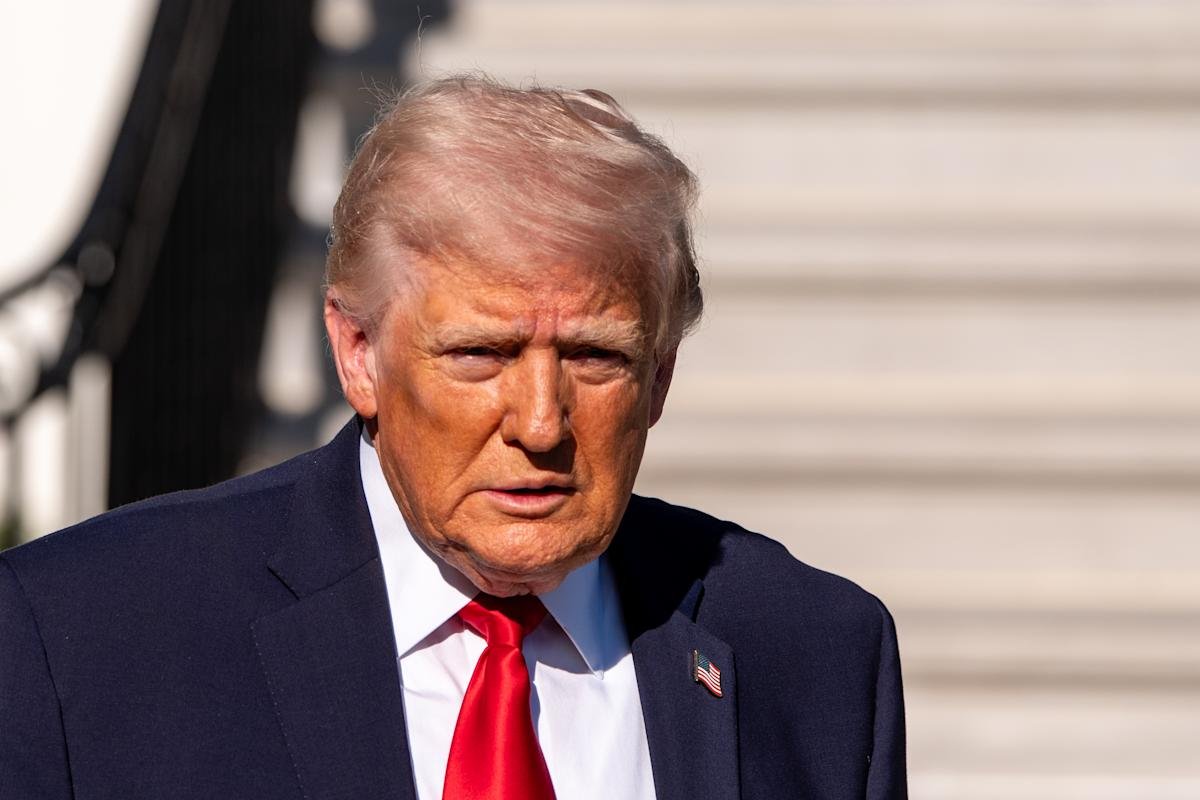
(Bloomberg) — President Donald Trump said the US will blockade the Strait of Hormuz following the failure of peace talks with Iran in Islamabad this weekend, a move that will likely exacerbate oil and fuel shortages globally.

“Effective immediately, the United States Navy, the Finest in the World, will begin the process of BLOCKADING any and all Ships trying to enter, or leave, the Strait of Hormuz,” Trump said in a social media post, essentially blocking Iran’s means of exporting oil.

Vice President JD Vance and envoys Steve Witkoff and Jared Kushner left the region Sunday after 21 hours of negotiations with top Iranian officials, mediated by Pakistan in an effort to end the six-week-old war. The failed talks left the ceasefire clinched last week in limbo, and Trump’s post signals more peril for the deal.

Hormuz is the world’s most important energy chokepoint, accounting for about a fifth of the world’s oil and liquefied natural gas. A full blockade of the strait would further roil global oil markets by choking off the remaining trickle of shipments that have continued to move through the waterway.

A blockade would also sever a key financial lifeline for Iran, which has continued to export at levels similar to before the war, while benefiting from surging prices for its crude. Oil futures ended last week 30% above where they were before the war, while traders are paying record amounts north of $140 a barrel for some real-world cargoes as they scramble for supplies.

Iran’s semi-official media cited “excessive” US demands for the failed talks. But the country’s foreign ministry said it was natural that differences wouldn’t be resolved in a single round of negotiations, leaving the door open for more discussions.

The Trump administration used a similar approach against Venezuela earlier this year — effectively enforcing a blockade against its sanctioned crude on the open seas before its January capture of Nicolas Maduro.

Roughly a dozen warships were summoned for that effort. While the operation concentrated on the Caribbean, seizures sometimes happened far from Venezuela, including in the Indian Ocean.

Trump didn’t say Sunday where the US would enforce its blockade against Iran. But his declaration comes after weeks of encouragement from some energy experts, who cast the approach as a way to deprive Iran of revenue tied to oil and strengthen US leverage against Tehran as it seeks a full opening of the Strait of Hormuz.

If Trump orders the Navy to blockade the strait itself, he puts US assets in danger of Iranian missiles. But the US could more easily enforce a blockade out of reach of most of Tehran’s weaponry, in the Arabian Sea and other waters.

A blockade of the Hormuz strait is a less risky alternative to a military operation to seize Kharg Island, Iran’s critical oil export hub, said Dennis Ross, a former US diplomat and Middle East envoy.

“Kharg Island for them is what they need to be able to hold. We can seize it, but then our forces would be quite vulnerable,” Ross said Sunday on Fox News. “This is a much smarter move than seizing Kharg Island.”

Seized oil cargoes could be sold by commodity trading firms on the world market, ensuring Tehran doesn’t benefit, said Clayton Seigle, a senior fellow at the Center for Strategic and International Studies.

The US has issued a sanctions waiver authorizing the sale of some Iranian crude that expires on April 19.

Since the war began, Iran has been the one country that has been able to export oil at a rate akin to pre-war levels. In contrast, production from its neighbors collapsed as the Hormuz strait was effectively closed off and Tehran began striking critical energy infrastructure in the region, sparking a scramble for crude oil across the world.

Iran exported about 1.7 million barrels a day of crude oil and condensate in March, according to preliminary tanker tracking data compiled by Bloomberg. That’s more than neighboring Iraq, which before the war was shipping at a rate far in excess of Iran.

Trump also said Iran’s possible mining of the key waterway and its16 demands for tolls to ensure safe passage is “WORLD EXTORTION, and Leaders of Countries, especially the United States of America, will never be extorted.”

The president also widened his threat to international waters, saying the US Navy would interdict any vessel that had paid Iran’s toll and that “no one who pays an illegal toll will have safe passage on the high seas.”

—With assistance from Tony Czuczka and Liezel Hill.

More stories like this are available on bloomberg.com

©2026 Bloomberg L.P.


Source link

  • Related Posts

    ‘This is not a partisan issue’

    IE 11 is not supported. For an optimal experience visit our site on another browser. Cuban president says ‘if we need to die, we’ll die’ to prevent U.S. invasion: Full…

    How the US-Iran Talks in Islamabad Ended Without a Deal

    (Bloomberg) — Vice President JD Vance landed in Islamabad on Saturday tasked with ending six weeks of war and overcoming 47 years of enmity — 21 hours later, he flew…

    Leave a Reply

    Your email address will not be published. Required fields are marked *

    You Missed

    OpenAI says Elon Musk is orchestrating a last-minute ‘legal ambush’ before trial

    OpenAI says Elon Musk is orchestrating a last-minute ‘legal ambush’ before trial

    A Look Back At Every Game Nintendo Life Scored 10/10 Over 20 Years

    A Look Back At Every Game Nintendo Life Scored 10/10 Over 20 Years

    ‘This is not a partisan issue’

    ‘This is not a partisan issue’

    How the US-Iran Talks in Islamabad Ended Without a Deal

    Interest in EVs surges in Europe as fuel prices jump after Iran war | Electric, hybrid and low-emission cars

    Interest in EVs surges in Europe as fuel prices jump after Iran war | Electric, hybrid and low-emission cars

    4/12: Sunday Morning – The Money Issue

    4/12: Sunday Morning – The Money Issue