dailynewsnblog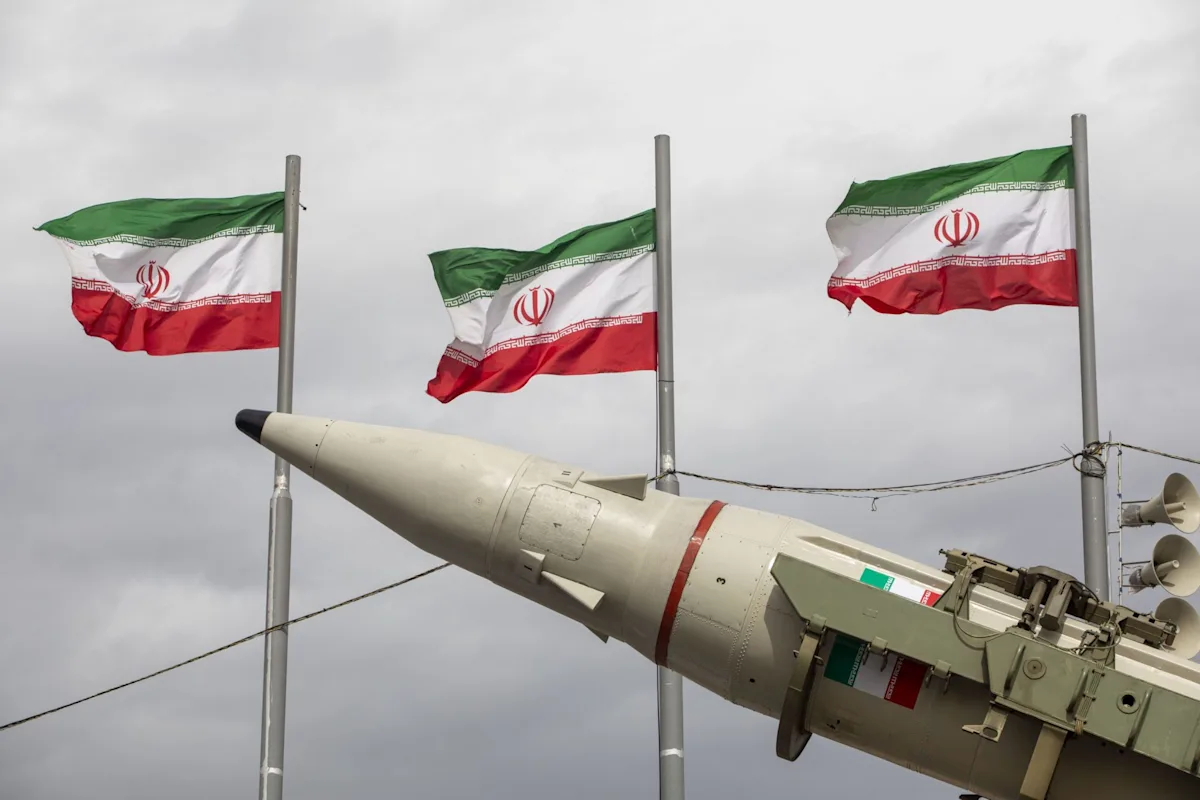
The largest U.S. military buildup since the 2003 Iraq invasion is aimed at Iran, and the outcome of a tense standoff could mean the average price at the pump falls to $2.50 per gallon or spikes astronomically to $5 in the case of war, geopolitical and energy analysts told Fortune.
The reason for the extreme range of potential impacts is the Strait of Hormuz offshore of Iran. The narrow, 104-mile strait is the main choke point separating the Persian Gulf—and the daily flow of nearly 20 million barrels of oil—from the Indian Ocean and global energy markets. Most of the crude oil from Saudi Arabia, Iraq, Iran, Kuwait, and the United Arab Emirates must pass through the strait.
“The stakes are so high,” said oil forecaster Dan Pickering, founder of the Pickering Energy Partners consulting and research firm. “The biggest risk to a disruption would be from Iran if they’re backed into a corner and have nothing to lose.”
The Middle East “playbook” for conflicts over the last 20 years is to avoid targeting oil infrastructure, Pickering said, including during the so-called Twelve-Day War between Israel and Iran last June that culminated with the U.S. dropping bunker-buster bombs on Iranian nuclear sites.
However, a desperate Iran could bomb or plant mines throughout the strait, creating a blockade. Iran also could target its neighbors, especially Saudi Arabia and the UAE. “All bets are off if the Supreme Leader (86-year-old Ayatollah Ali Khamenei) decides it’s truly a fight for regime survival,” said Matt Reed, vice president of the geopolitical and energy consultancy Foreign Reports.
Reed said the situation today is “more alarming” than last summer because the U.S. and Iran seem far apart on any redefined nuclear deal—President Donald Trump pulled out of the previous nuclear agreement in 2018—and Iran already is under pressure as the regime violently tries to subdue civil unrest.
“Iran is infinitely more desperate today. It’s facing an existential fight, potentially, which means it’s more inclined to lash out if only to raise the cost of U.S. intervention,” Reed told Fortune. “Back against the wall, the regime in Tehran may choose to strike its oil-rich Arab neighbors because they’re easy targets and everyone stands to lose from a massive oil price shock.”
“The odds of diplomatic breakthrough are fading by the day,” he added. “Both sides are repeating the same tired talking points we heard a year ago.”

The U.S. benchmark for oil was hovering above $66 a barrel as of Feb. 20—up almost $10 per barrel already just from Iranian tensions. That premium suggests energy markets see a roughly 25% chance of a major Middle Eastern conflict, Pickering said.