dailynewsnblog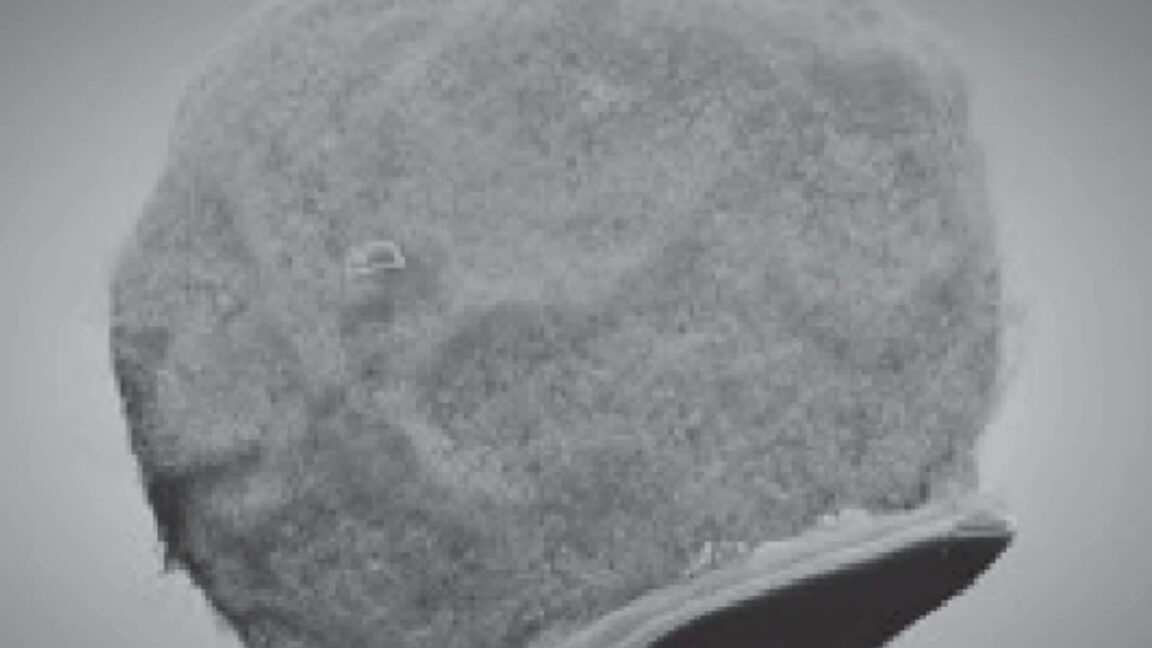
Standard brain implants use electrodes that penetrate the gray matter to stimulate and record the activity of neurons. These typically need to be put in place via a surgical procedure. To go around that need, a team of researchers led by Deblina Sarkar, an electrical engineer and MIT assistant professor, developed microscopic electronic devices hybridized with living cells. Those cells can be injected into the circulatory system with a standard syringe and will travel the bloodstream before implanting themselves in target brain areas.
“In the first two years of working on this technology at MIT, we’ve got 35 grant proposals rejected in a row,” Sarkar says. “Comments we got from the reviewers were that our idea was very impactful, but it was impossible.” She acknowledges that the proposal sounded like something you can find in science fiction novels. But after more than six years of research, she and her colleagues have pulled it off.
Nanobot problems
In 2022, when Sarkar and her colleagues gathered initial data and got some promising results with their cell-electronics hybrids, the team proposed the project for the National Institutes of Health Director’s New Innovator Award. For the first time, after 35 rejections, it made it through peer review. “We got the highest impact score ever,” Sarkar says.
The reason for that score was that her technology solved three extremely difficult problems. The first, obviously, was making functional electronic devices smaller than cells that can circulate in our blood.
“Previous explorations, which had not seen a lot of success, relied on putting magnetic particles inside the bloodstream and then guiding them with magnetic fields,” Sarkar explains. “But there is a difference between electronics and particles.” Electronics made using CMOS technology (which we use for making computer processors) can generate electrical power from incoming light in the same way as photovoltaics, as well as perform computations necessary for more intelligent applications like sensing. Particles, on the other hand, can only be used to stimulate cells to an extent.