dailynewsnblog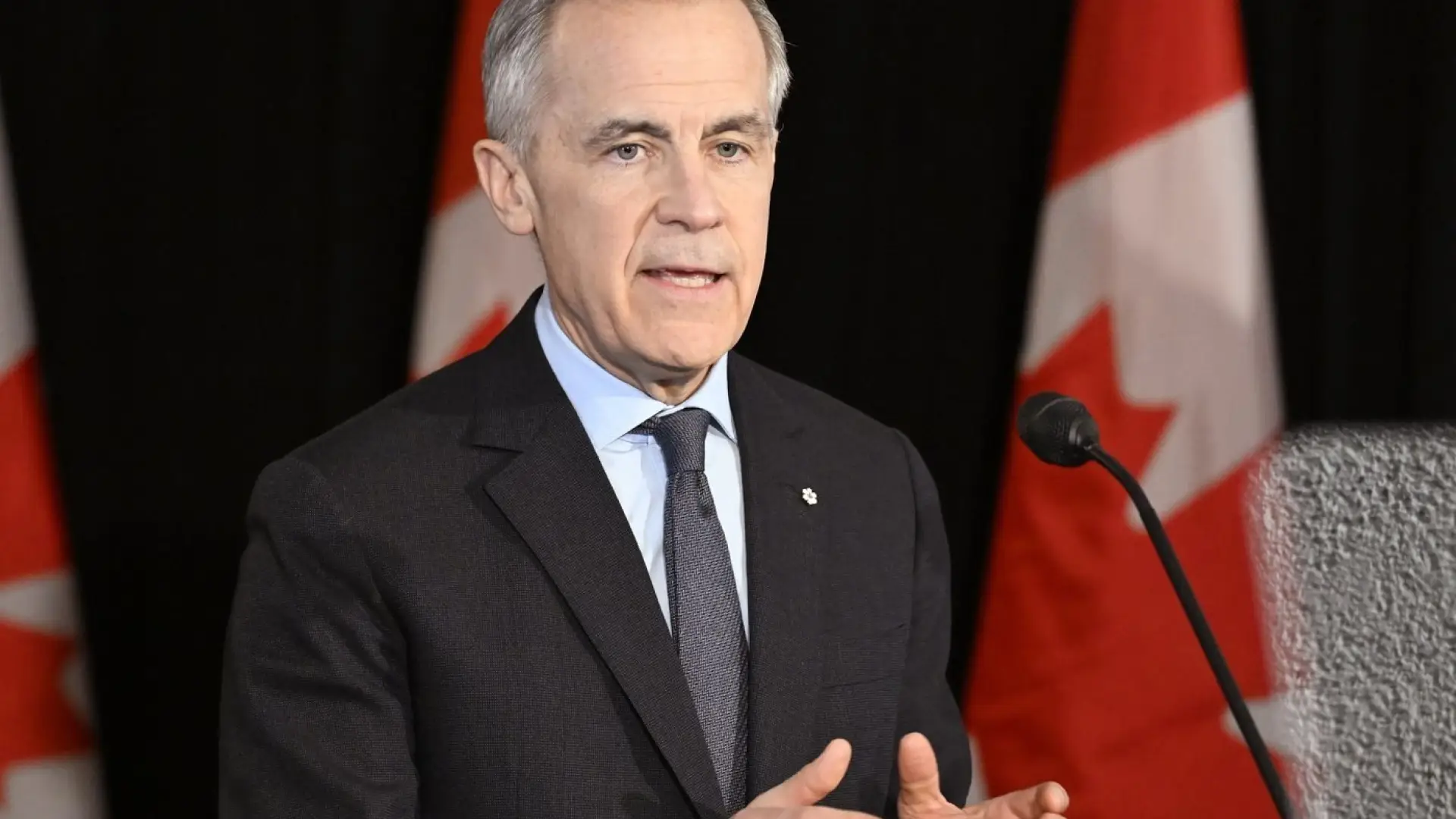
The TC Trade Mission is perfectly made for the turbulent times we face with our southern neighbour, so I personally hope that PM Carney buys in.
As Prime Minister Carney crisscrosses the globe in an effort to diversify our trade and investment, he would be well advised to consider a page from Jean Chretien’s playbook. Namely, the Team Canada Trade missions (TC) that he led during his decade in office.
These delegations consisted of the PM, the premiers, the federal trade minister, and several hundred senior business leaders. In later years, he also included representatives from Canadian universities and colleges, and our cultural industries.
Every year, the PM’s delegation would visit a different region of the world for ten days. This would typically allow tours in three or four countries, or two or three cities in a single, large nation. The destinations included China, India, Europe, Japan, Latin America, and South Korea, to name a few.
The trips were highly successful, leading to new trade and investment deals, creating strong international partnerships, and resulting in an impressive media play for Canadian interests in those foreign markets. I saw this firsthand while I was Minister of International Trade.
However, I remain surprised and disappointed, given the model’s effectiveness, that successive government’s have not continued with them. Some prime ministers, I am told, refused to embrace the TC logo because they viewed it as a ‘Chretien invention’. That was silly thinking, to say the least.
Now that creating new international partnerships has become an urgent and national imperative for PM Carney, thanks to the misguided and damaging actions of Donald Trump, I would urge him to consider re-establishing these TC Missions.
The TC initiative would offer him and Canada many advantages.
First, it would open many important doors for Canadian firms around the globe.
Having the country’s most senior political leaders, all together, made a huge difference in terms of procuring numerous ‘quality’ meetings with counterpart leaders, their senior officials, and their leading companies. The access they created for Canadian businesses was unprecedented. On their own, or even accompanied by a Minister, they could never have enjoyed this level of engagement. As a result, our businesspeople inked numerous trade and investment contracts.
Second, it would deepen the PM’s relationship with premiers.
PM Carney has been very successful, to date, in working closely with premiers. They have already had numerous meetings, and the PM has regularly briefed the Premiers on the status of trade negotiations with the U.S. Public opinion gives him high marks for this calibre of cooperation, as do most premiers. Participating in TC Missions would notably deepen that rapport and demonstrate concretely how the first Ministers are collaborating at a time of great economic anxiety, thanks to Trump’s erratic and hurtful behaviour.
Over the course of ten days, the first ministers would spend much time together — on planes and buses, in meetings, at public ceremonies, over breakfasts, lunches, and dinners — creating tight bonds in the process. In fact, Jean Chretien would say that these ten days were by far the ‘best time’ for federal-provincial relations, in that calendar year. Indeed, besides promoting trade and investment opportunities, they had ample time to discuss domestic matters in a cooperative and constructive manner. I saw this firsthand, and it was very impressive to witness such a positive mood. Certainly, better than the usual protracted discussions and arguments that have unfortunately become the standard at home.
Third, it will build closer relationships with Canadian businesses.
During the ten-day trips, Canadian politicians would also forge strong ties with the business representatives. There were many opportunities when they were together, pitching our goods and services. Furthermore, over meals and down time, they enjoyed each other’s company, with many exchanges that dealt with a host of business and non-business matters. It was networking at its best.
Fourth, Canadian businesses would create meaningful bonds between themselves.
Besides meeting with foreign leaders and cementing arrangements with local companies, Canadian CEOs also networked with each other, which served them well when they returned home. They also concluded a number of new business deals and partnerships with each other during the missions. It all provided for a very positive, energetic, and dynamic atmosphere.
Fifth, the TC Missions will generate a lot of positive media for Canada.
The high-profile delegation of public and private sector leaders guaranteed intense media interest and attention. The coverage was overwhelmingly positive, both in the countries we visited, as well as back home. Canada does not usually make such international headlines. In this case, TC ensured our ‘15 minutes of fame’ and helped create an attractive Canadian brand.
Sixth, TC Missions can take place in January or February.
This timing was most convenient because the House of Commons and many of the legislatures were usually in recess. This offered the leaders the ability to travel without the constant worries of legislative agendas and issues. They were thus quite focused on the task at hand — promoting Canadian products, reducing trade red tape and creating new political relationships.
Seventh, the collaboration would continue after the TC Mission returned home.
Following the trips, one of the more critical tasks was to ensure that the signed trade and investment contracts would be honoured. It was, therefore, necessary for our political leaders, officials, and business representatives to do some follow-up work on these commitments, with our various embassies. This allowed the contracts to be consummated, and it further extended the collective work and bonds between the different parties.
Eighth, Canadian political leaders would reinforce their political relationships with foreign counterparts.
Given the size and seniority of the TC Mission, this offered our political representatives an excellent occasion for developing new and strengthened contacts with the host leadership. There were also discussions that went well beyond the core trade and investment agenda. Numerous bilateral and multilateral concerns were addressed, making the encounters all the more valuable. In addition, there was also time in the schedule for Premiers to pursue their own business and political priorities during the TC Mission. A real win-win when it came to federal-provincial relations.
Strengthening political relationships, and establishing new ones is an important objective for PM Carney, as he tries to extend Canada’s reach beyond the U.S., both economically and politically. Leading a TC Mission to multiple countries, and engaging with their leaders, would play to this objective quite effectively. As well, PM Chretien would often extend an invite for those leaders and their business communities to visit Canada. And many of them did, furthering our bilateral ties and joint economic activities. PM Carney could obviously do the same.
Finally, the TC model is flexible to meet new priorities and approaches.
As previously mentioned, PM Chretien travelled with a large business delegation. He favoured the maximum impact that this created in the host countries. However, if PM Carney prefers a smaller, more focused delegation, then this is very doable. As well, he could also target certain sectors in those countries, rather than covering the ‘waterfront’. And, in light of the economic uncertainly with the U.S., it would permit the PM to target countries and markets he believes to be priorities for Canada moving forward.
I firmly believe that reviving the TC Trade Missions would bring the PM, the premiers, the business community, and our country many gains, in regard to creating new trade and investment opportunities, as well as establishing deeper ties and coalitions around the globe. Furthermore, given PM Carney’s desire to forge a more constructive collaboration style with his fellow First Ministers, this annual trip would serve to significantly solidify this key partnership.
The TC Trade Mission is perfectly made for the turbulent times we face with our southern neighbour, so I personally hope that PM Carney buys in. If he does, then I would encourage him to speak with Mr. Chretien, so that he can hear directly from the former TC captain, as there would be many insights to be gained.
Sergio Marchi is a former international trade minister. He served in Parliament from 1984 and 1999, and held several cabinet portfolios under prime minister Jean Chretien. More recently, he served as president and CEO of the Canadian Electricity Association.
The views, opinions and positions expressed by all iPolitics columnists and contributors are the author’s alone. They do not inherently or expressly reflect the views, opinions and/or positions of iPolitics.