dailynewsnblog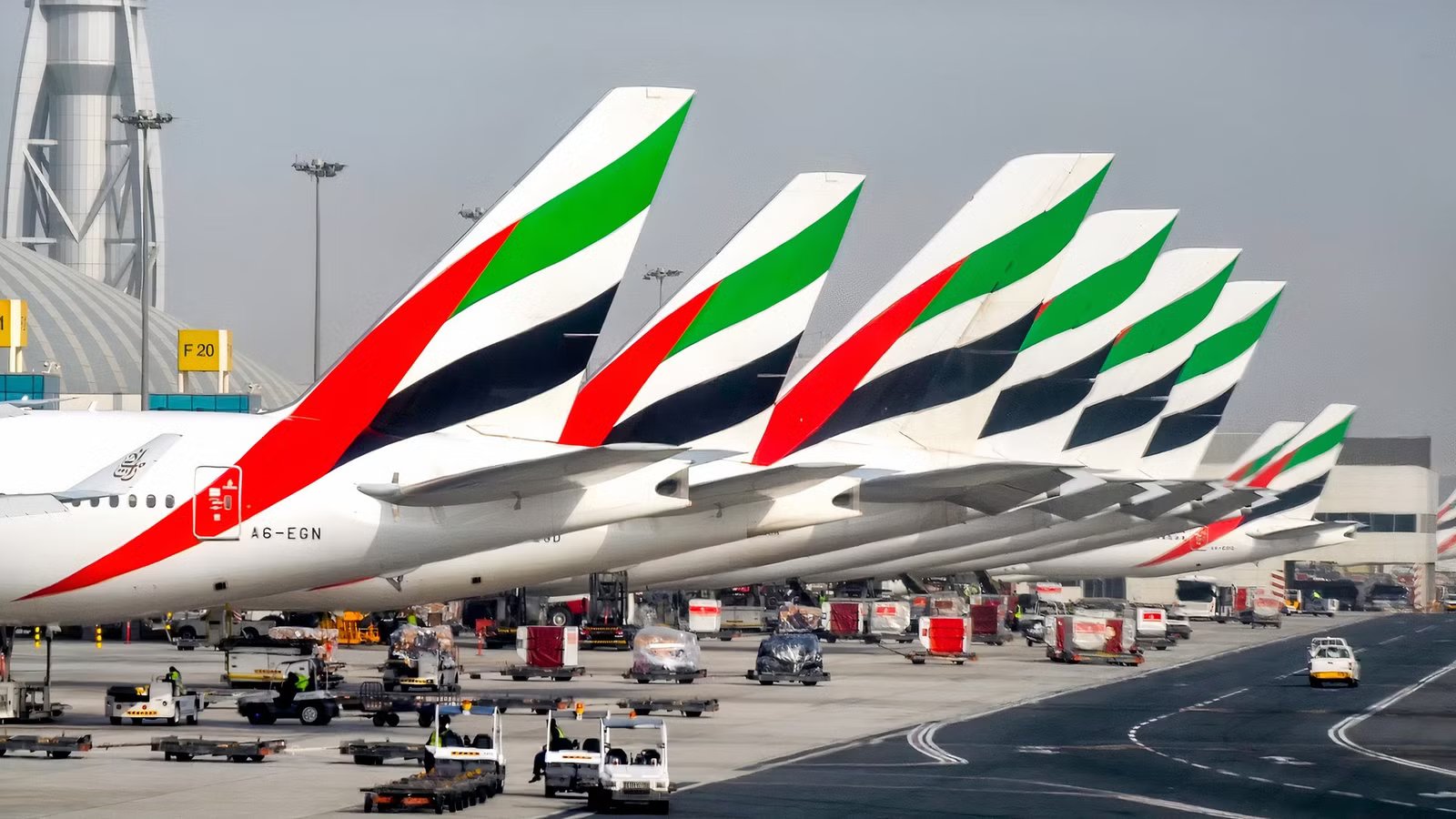
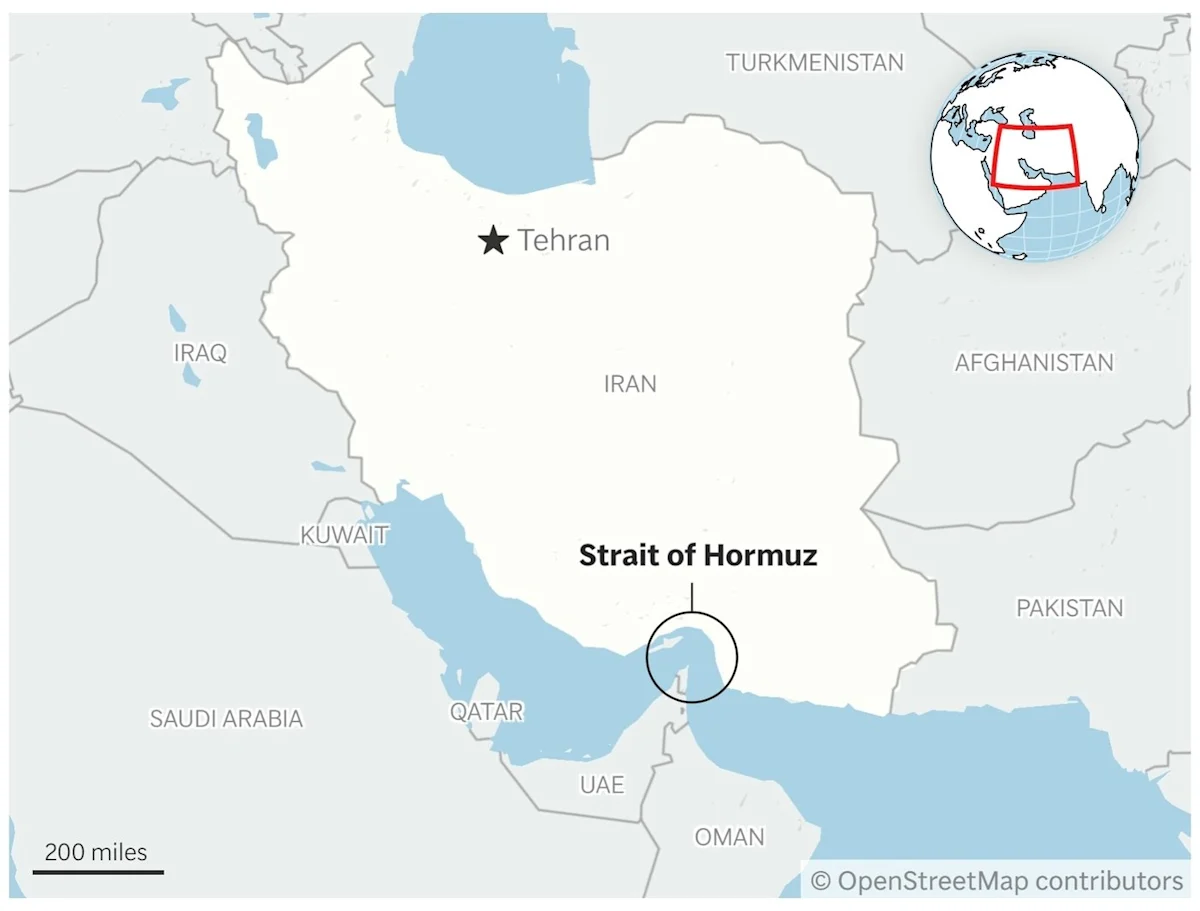
Middle Eastern airspace closures have triggered a breakdown at the world’s biggest global connecting hubs, leaving thousands of passengers sleeping on the floors of terminals while many more remain stranded far away from home. After the United States and Israeli strikes on Iran and subsequent retaliation, multiple nations shut down their airspace, including major connecting hubs in the region like Dubai International Airport (DXB), Abu Dhabi International Airport (AUH), and Doha Hamad International Airport (DOH), all of which suspended or severely restricted flights.
With flight banks fully wiped out as a result, cancellations and diversifications cascaded across Europe-Asia networks, pushing delays worldwide, filling hotels, and overwhelming airline call centers as a result. The disruption is being treated as an acute safety-driven shutdown with an uncertain reopening timeline. Cargo flows are also significantly disrupted all across the region.
Middle Eastern Skies Remain Devoid Of Passenger Jets

By the time Sunday morning came around, flight-tracking data showed Middle Eastern skies largely empty as Iran, Iraq, Israel, Bahrain, Qatar, Kuwait, and others closed their airspace, all while the United Arab Emirates announced a temporary partial airspace closure. Dubai, Abu Dhabi, and Doha, all of which are critical east-west transfer points, halted overall flight activity.
 Emirates, Qatar Airways, and Etihad suspended large portions of their schedules and issued rolling restart updates. According to The Guardian, more than 3,400 flights across seven major airports were canceled on Sunday, with roughly 90,000 passengers a day connecting through these three major hubs under normal circumstances. An aviation notice extending Iran’s airspace closure to at least March 3 underscored just how quickly this short disruption has become a multi-day affair. Other facilities have also reported significant damage from the strikes that occurred.
Implications For Hundreds Of Thousands Of Passengers

For airline passengers, the pain is significantly less about a single canceled flight and much more about the collapse of timed connection. When a hub like Dubai or Doha stops, passengers will be stranded for hours or days without checked bags, with onward visas expiring, or with no legal entry option if they are diverted to a country they had absolutely no intention of visiting whatsoever. This gets even more complicated in the Middle East, where migrations are carefully controlled.
Passengers can expect long lines at service desks, overloaded phone apps, and scarce hotel inventory near airports. Most legacy carriers have begun to issue rebooking waivers, offering seats on alternative routings through Europe, Turkey, or South Asia. However, these can vanish quickly once the network resets, as passenger demand for such relief tickets is so high. This all puts passengers in a very difficult place when making decisions.
The practical playbook for those stranded is not to travel to the airport until an airline confirms their seat and to rebook as soon as a waiver appears. Passengers should keep all receipts for meals or lodging and confirm whether their travel insurance covers war-related disruptions. Videos circulating online from major terminals suggest that the situation can feel like an overnight shelter in a disaster-relief area.

14 Hours To Nowhere: Dozens Of Flights Turn Back After Middle East Airspace Closure
The Middle Eastern conflict has wreaked havoc on commercial aviation.
What Does All This Mean For Airlines?

For airlines, the challenge here is operational whiplash, with aircraft and crews being sent out of position. Flight plans must be rebuilt around closed airspace, and long-haul rotations break when a single hub bank happens to disappear. Reroutes around Iran or Iraq can take hours, burn more fuel, and force payload limits or technical stops, ultimately turning profitable flights marginal overnight.
A second-order hit comes from congestion in the few remaining corridors, with routes south and through Saudi airspace still available. This can trigger flow controls and rolling delays. Gulf network carriers take the sharpest revenue shock because so much of their business is sixth-freedom connecting traffic. When the hub shuts down, the value proposition for airlines fully pauses.
From a global perspective, carriers face customer-care costs, re-accommodation liabilities, and reputational damage from limited information, all while cargo operators confront missed cutoffs and disrupted supply chains. If closures persist into the week, passengers can expect further schedule trimming, higher fares on surviving routings, and knock-on disruption to aircraft maintenance and overall crew legality.