dailynewsnblog
Cabin Crew training is heavily based on safety procedures and equipment, evacuation drills and scenarios, as well as advanced first aid training and firefighting. They are the first responders in the skies, despite passengers commonly believing that they are there purely for service. There is much more to the eye than it seems, and there is a lot going on during the boarding process. Let’s look in more detail at what flight attendants do during the boarding process and why it can be stressful.
Immediate Actions
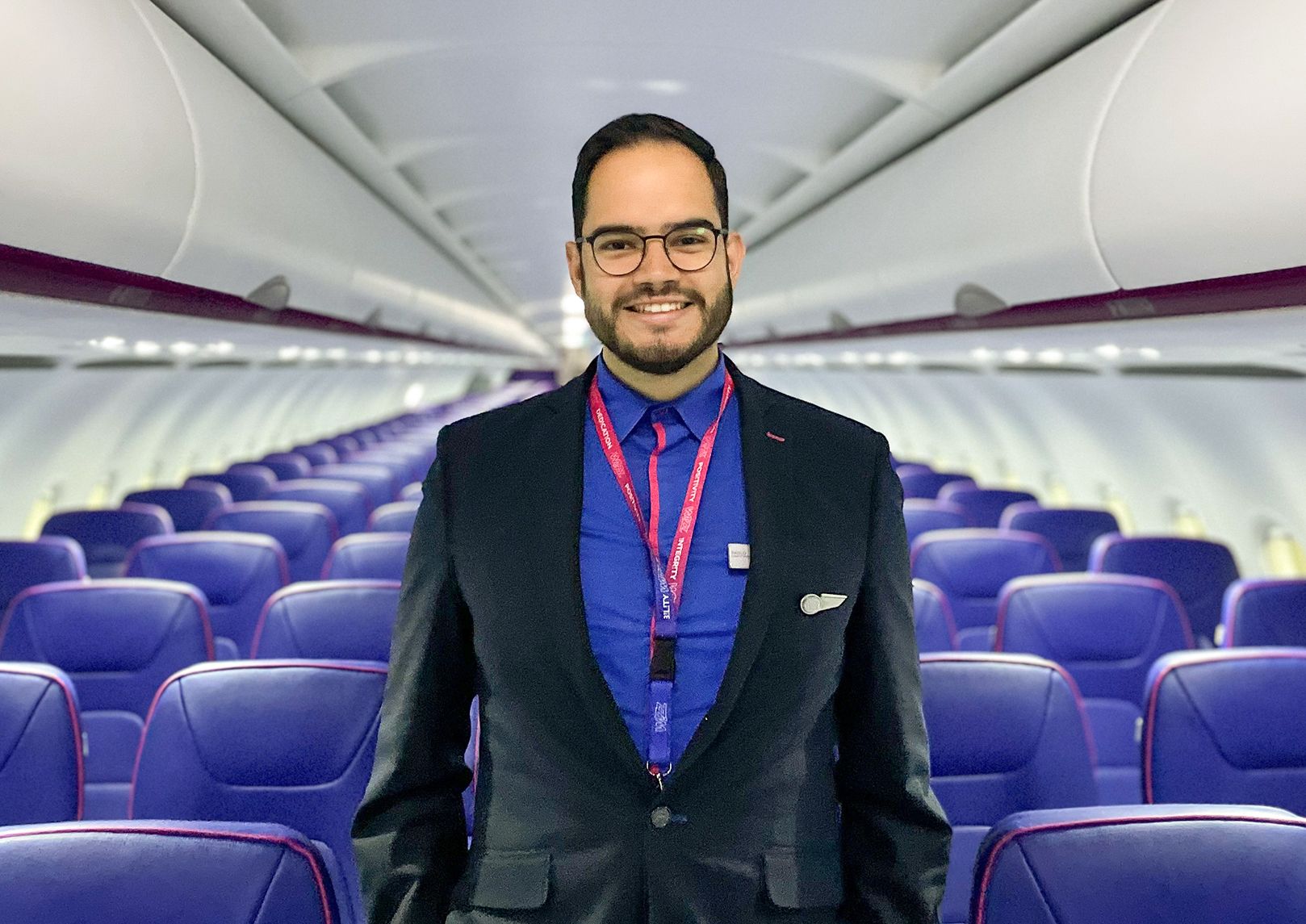
Once we have boarded the aircraft and put our bags away, we start some very important checks. Firstly, we check that our jumpseat is working, and the harness is adjusted to our size and is not tangled in any way. We then check our safety equipment at our station that everything is located where it should be and is ready for use. This includes our lifejacket, smoke hood, fire gloves, flashlight, manual release tool (for releasing oxygen masks), and that the PA is serviceable.
We then move into the cabin and do a security check of the overhead lockers, compartments, the seats, seat pockets, and the floor area for any items that should not be there. We also check the lavatories, inside the compartments, waste bins, and that the fire detection systems are serviceable. In the cabin, we check that the emergency lights are working and the first aid kits, AED (defibrillator), and megaphone are in place, sealed, and working. We also check that the oxygen bottles and fire extinguishers are ready for use at the correct level. It is our responsibility to write all discrepancies on the emergency equipment checklist.
One crew member will be assigned the galley position, so they will check that all atlas boxes and carts are sealed and correct. This would include the bars, meal carts, duty-free goods, and dry goods. They will then count all the passenger and crew meals and check that the numbers are correct. If there is a crew rest area, it will also be security-checked. These are then reported to the senior crew member (SCCM). All of these checks must take place before passengers can board. Anything unusual or suspicious is reported to the SCCM. Blankets and headphones may be placed on seats.
The Boarding Process Begins
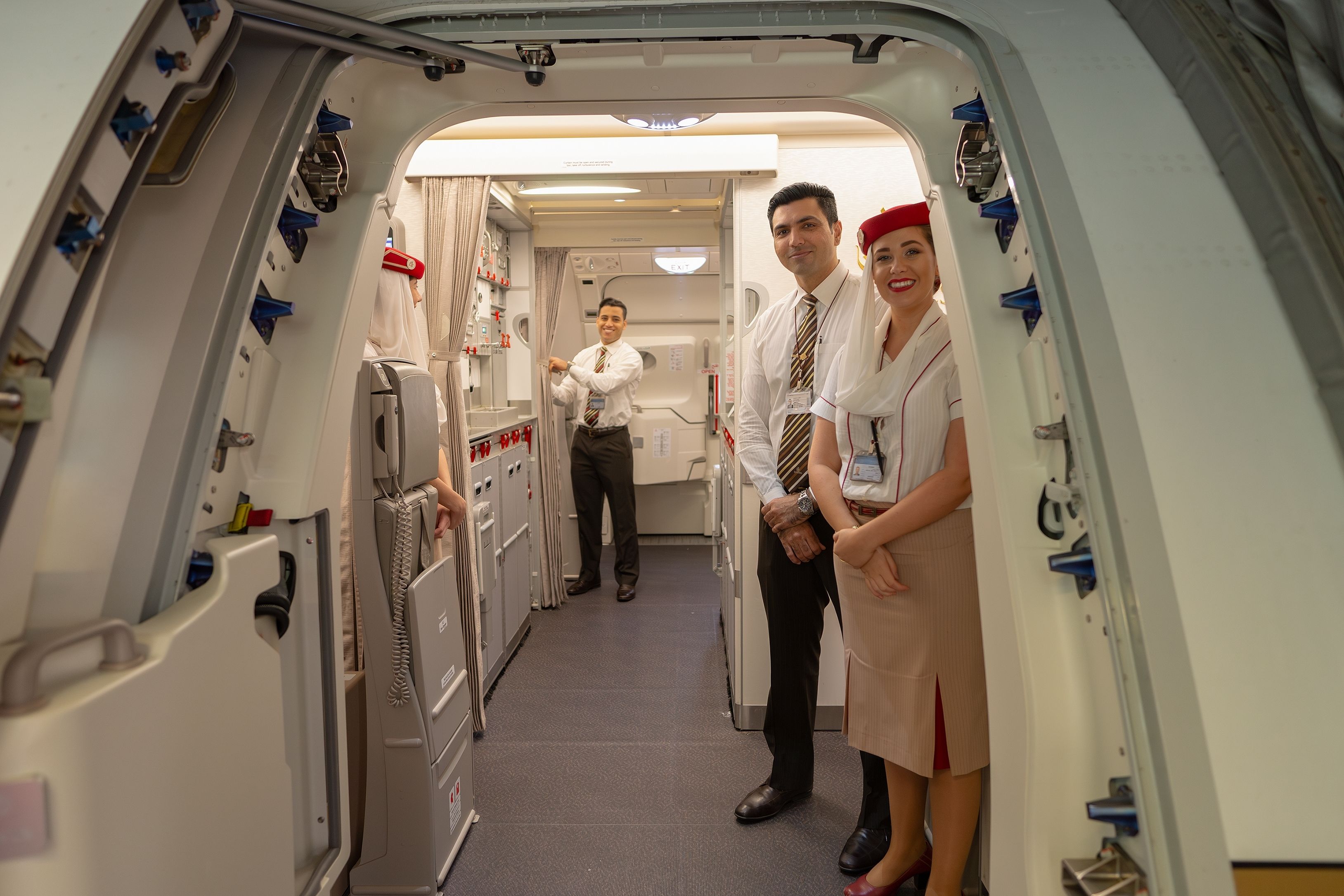
Once all the checks are complete, the SCCM will liaise with the pilots and ground crew as to when to board passengers. The cabin crew also has to check anyone who attempts to enter the aircraft without a valid ID card or the correct boarding pass. Every boarding pass has to be checked for the right flight number and destination. Passengers are then directed to their seat. Those crew members not stationed at the boarding door will be stationed in the galleys, at overwing exits and throughout the cabin.
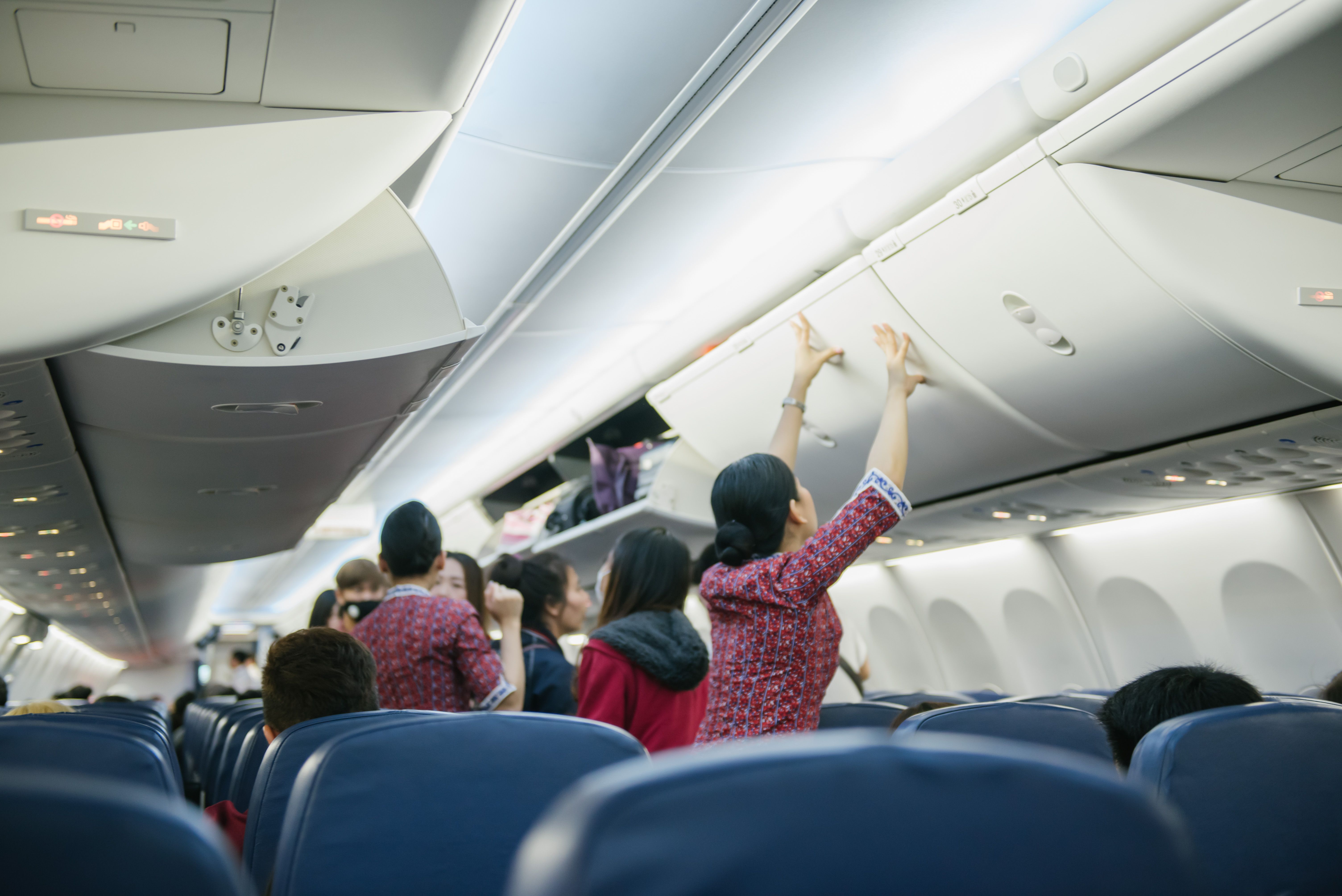
Those in the cabin will help Passengers find their seats and find space for their baggage. A cabin crew member at the overwing exits will brief passengers on how to use the exits and if they are willing to operate them in an emergency. Another crew member will be assigned the announcements. Every crew member has an assigned area of usually fifty seats. Some passengers may need to be reseated or moved to other seats during boarding. This may be due to ‘trim’ issues or to seat families together. In the premium cabins, there will also be a service to complete, such as welcome drinks, snacks, menus, and hot towels.
Premium Economy Passengers Are The Worst: Flight Attendant Explains Why
Boarding can be a stressful time for cabin crew as there are so many things going on and many tasks to complete in a limited time. Possible problems may include lost boarding passes or passports, passengers blocking the aisles, disagreements over seating, luggage that is too large, and passengers wanting to use the lavatories before take-off. If take-off is delayed, this can cause further tension. We also have to be very vigilant; looking and hearing for things that may not seem right, and to raise this with our SCCM.
small
Related
Why The Role Of The Airline Purser Has Changed Dramatically In 20 Years
Diversifying roles and lack of experienced crew may cause future issues.
Passenger Observations
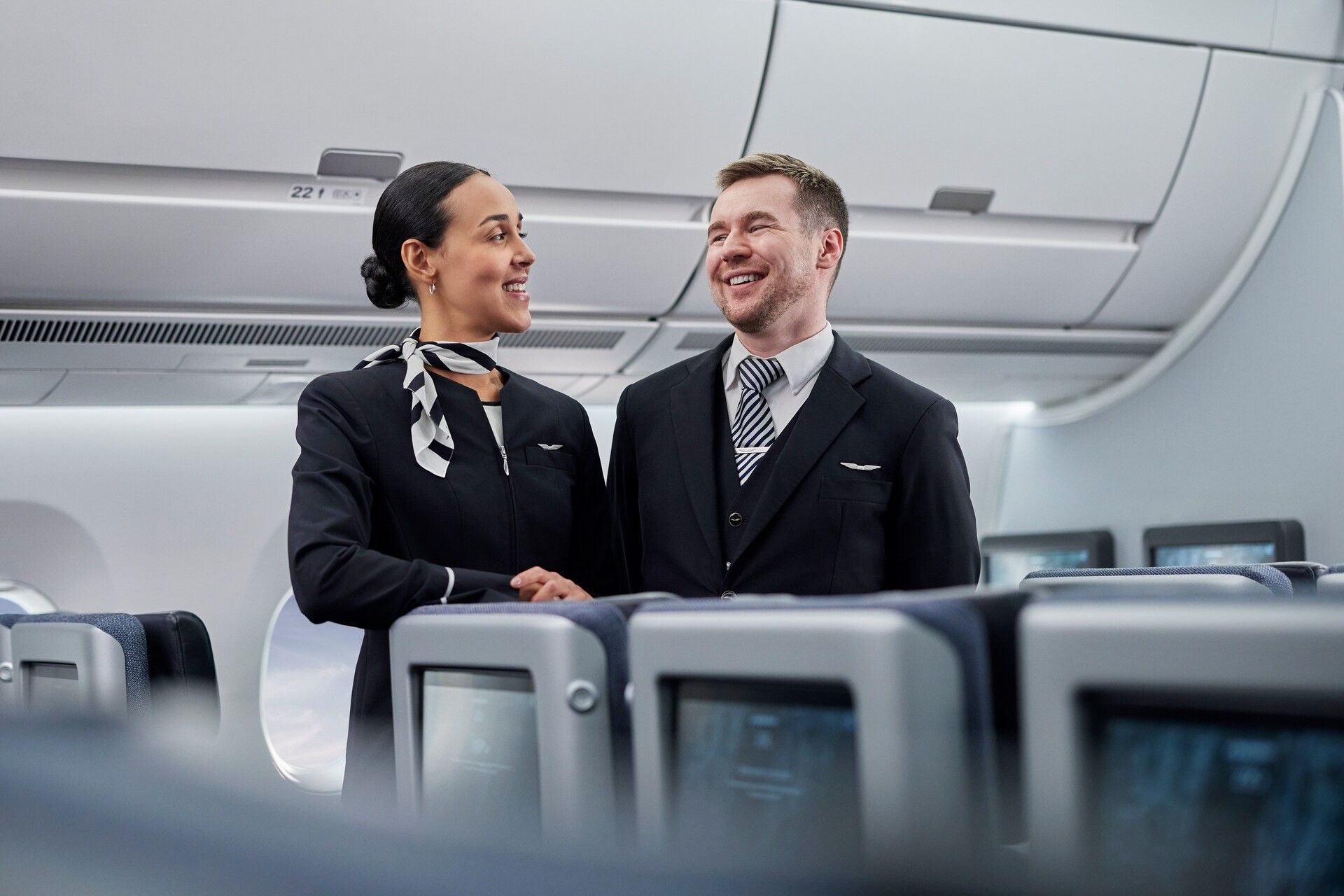
During the boarding process, the cabin crew carefully observe the passengers for many different things. They are looking for those passengers who may need extra help, especially in an evacuation. This may include the elderly, parents with young children, the injured, passengers with reduced mobility (PRM) and unaccompanied minors (Unmin). They will also look for able-bodied passengers (ABPs) who can assist them in an emergency evacuation.
They are also looking for passengers who have been drinking or self-medicating and those who are argumentative or displaying entitled behavior. These may later become disruptive passengers and cause issues later in the flight. The crew members carry out a risk assessment and can offload a passenger if they think they will be disruptive later. Disruptive passengers can cause injuries during the flight to passengers and crew and threaten the safety of the aircraft. This can lead to restraint and diversion and later fines, imprisonment and flight bans.
ANA Once Asked Passengers To Pee Before Flights To Cut Emissions
Nervous passengers also need some special attention. Lots of people are scared of flying and are worried about take-off and landing and especially turbulence. The cabin crew can explain noises, keep eye contact and talk a passenger through any concerns that they may have. They also look for anyone who may be sick or need medical attention. During the flight, they will also look for suspicious behavior that may suggest drug smuggling or human trafficking.
Once The Doors Close
As soon as boarding is complete, the flight crew will confirm that we can close the door and we receive the instruction to ‘arm the door and cross-check’. This means that all crew members go to their door, move the arming handle to the correct position (depending on type), and check that the door is visibly armed. This means that if the door is opened when armed, the evacuation slides will be deployed. The crew member at the opposite door then cross-checks the opposite door to see that it is indeed armed and then all crew members report the check to the SCCM. On landing, this procedure is reversed and the door is disarmed.
The aircraft pushes back, and the safety demonstration starts. This can be via the in-flight entertainment system or presented manually by the cabin crew. It includes the use of the seatbelt, safety card, oxygen mask, and lifejacket as well as the brace position. The cabin crew will also point out the nearest available exits. There is also important information about evacuating the aircraft, leaving all luggage behind and keeping your seatbelt on while seated and following the crew’s instructions.
Southwest Airlines To Require Flight Attendants To Prepare For Landing At 18,000 Feet
As soon as the safety demonstration has finished, the crew members check their area of the cabin. They check that all passengers are wearing their seatbelts, that the seatback is upright and the tray table is stowed. All baggage must be stowed away safely and exit areas are completely clear. They then give the ‘cabin secure’ check to the SCCM, who passes it to the flight crew. This tells them that the cabin is now secure for take-off and ready in case we need to evacuate.
small
Related
How Airlines Ensure Cabin Crew Safety & Security During Layovers
Situational awareness is key to staying safe as well as following your airlines recommendations.
Pre-Take Off
Once the cabin is secure, the crew finally check that the lavatories are clear and lock them so that they cannot be used until the seatbelt sign is switched off. The galley must also be fully secured and all ovens and coffee makers switched off. All carts have to have the brakes on and be secured in place. Atlas boxes must all be secured and latched. There must be no loose items in the galley that may move on take-off.
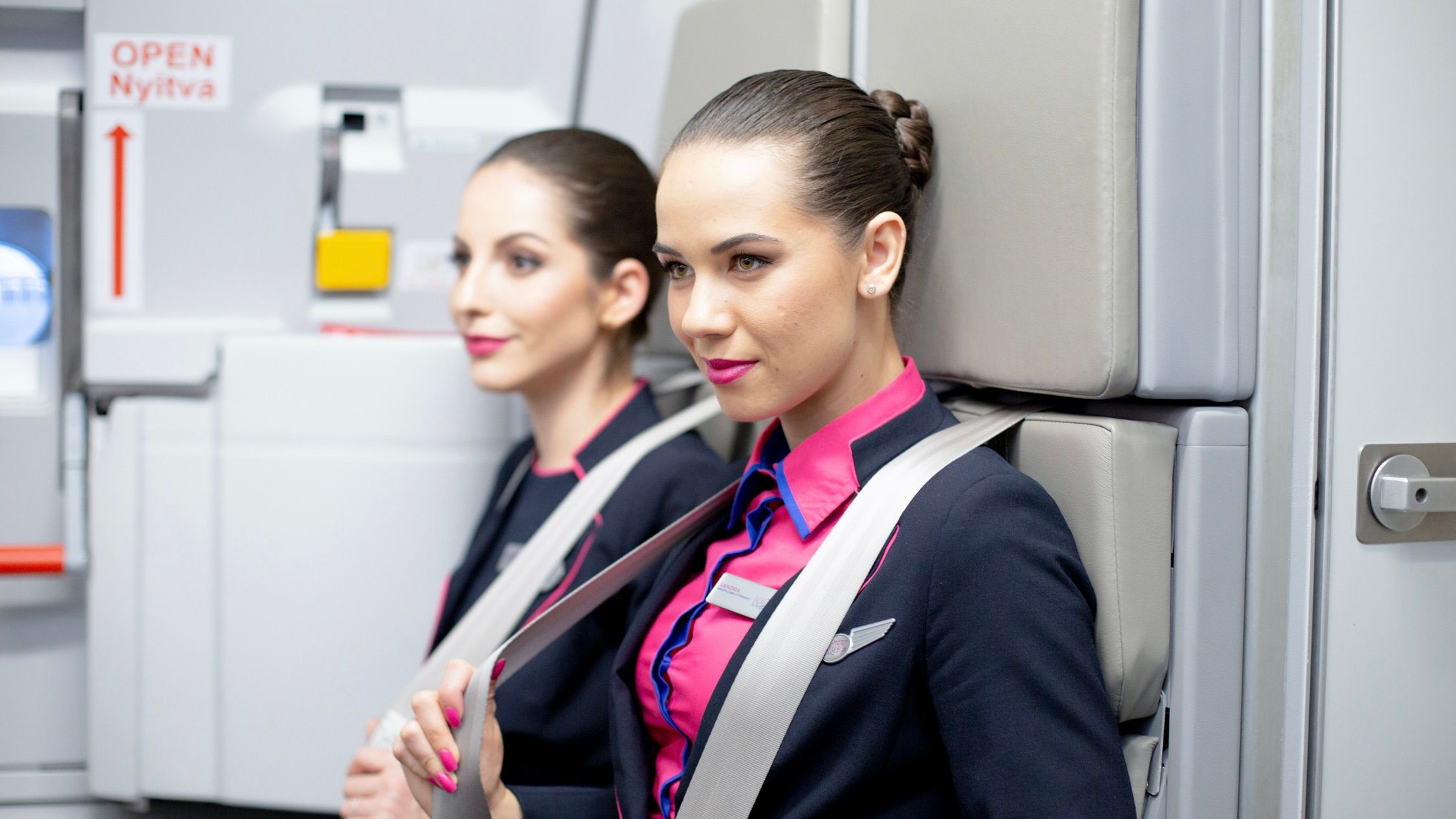
Then it is time for the cabin crew to take their seats. The flight crew will announce ‘cabin crew seats for take-off’ or similar. Crew check that their four harness seatbelt is in the correct place and review their brace position, which is different when seated facing forward or backward. Hands should be placed on the knees or under the legs and feet are either forward or back. This is used on every take-off and landing. There is another brace position for an emergency landing, which is different to that of the passenger brace position.
What!? 20 Southwest Airlines Flight Attendants Injured After Soda Cans Explode Inflight
The 30-second review should take place before every take-off and landing. This is where the cabin crew review their location, the exit door, the safety equipment nearby, the outside conditions, possible ABPs, and the commands to be used in an evacuation. Take-off and landing are the most critical phases of flight, so a review of evacuation procedures is wise to refresh the memory.
In-flight And Post-Flight Duties: A Summary
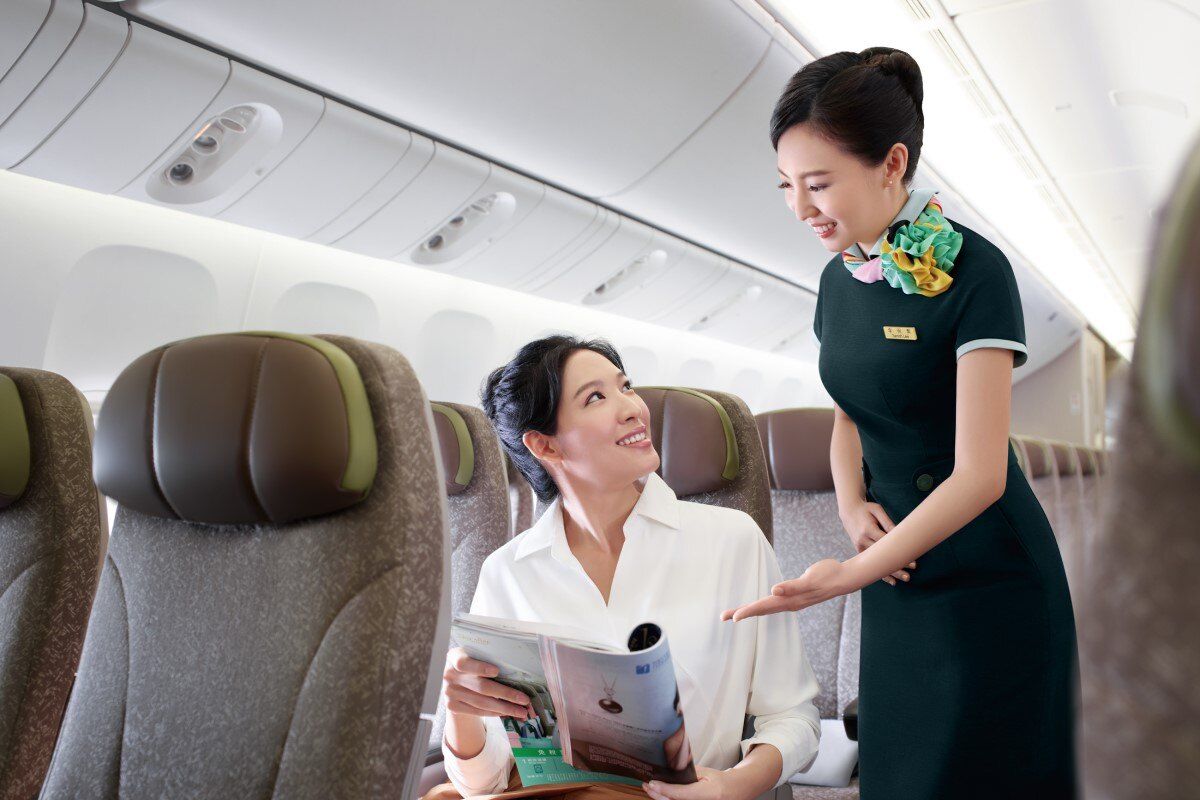
Once the seatbelt sign is switched off, the flight attendants prepare the bar carts for service and cook the meals. One crew member stays in charge in the galley, whilst the others work on the in-flight service in the cabin. In the economy cabin, this includes the bar service, meal service, clearing in, duty-free sales, and water service. In premium cabins, this service is more extensive, more time-consuming, and sometimes on demand. On long-haul flights, there will be an extra meal service.
Whilst working in the cabin, cabin crew still have to be situationally aware and look out for anything unusual. This could be signs of sickness in a passenger, a potential dispute, a strange smell or anything out of the usual. We can report anything like this to our SCCM and also ask the flight crew. Using crew resource management (CRM), we are the eyes and ears of the flight crew in the cabin, so we need to communicate anything that does not seem ‘right’. We also check the cabin and lavatories every 20 minutes.
Finally, when the flight crew switches the seatbelt sign back on for landing, we start our cabin secure checks once again and make sure that the cabin is completely secure and ready for landing. This in turn is reported to the SCCM and flight crew and we return to our jumpseats. We secure ourselves and again prepare a 30-second review, before landing and familiarize ourselves with our location, equipment and the conditions outside. When we reach the stand, we disarm the door at the flight crew’s instruction. Boarding can be stressful as there is so much going on but at the end of the day, the aim of cabin crew is to always have a safe and efficient flight.