dailynewsnblog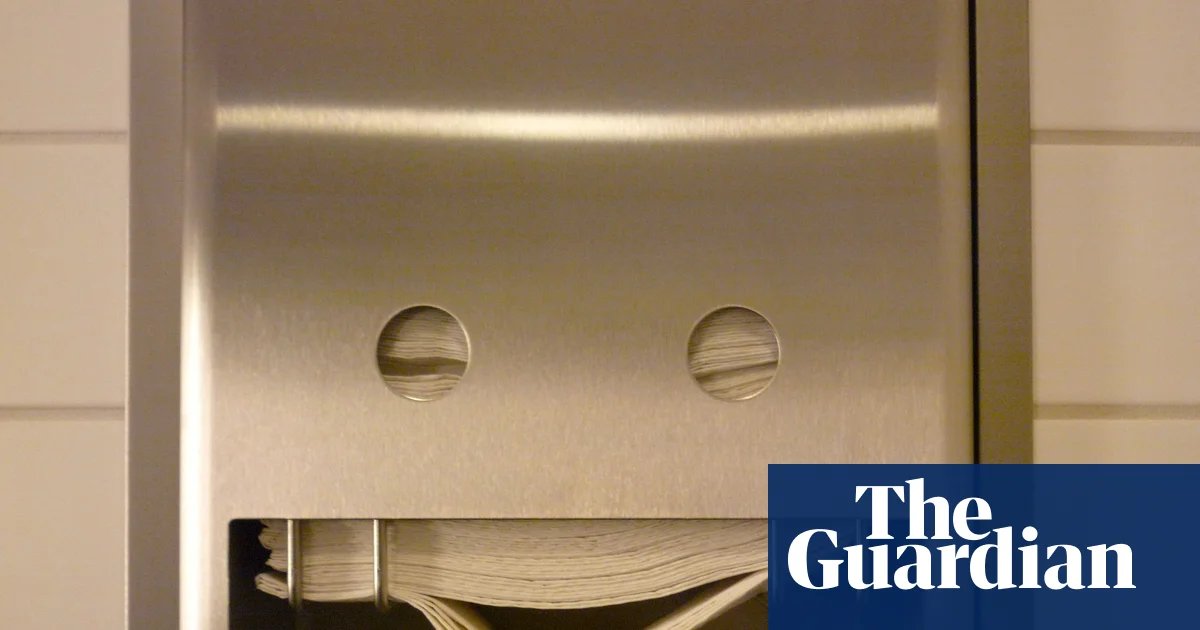
Faces: we see them in clouds, electrical outlets and even a $28,000 toasted sandwich said to look like the Virgin Mary.
Known as face pareidolia, seeing faces in inanimate objects or patterns of light and shadow is a common phenomenon.
So primed are our brains to detect facial features that we even see faces in meaningless visual noise, especially when the images are symmetrical, new research suggests.
In a study published in the journal Royal Society Open Science, researchers showed participants everyday objects that resembled faces, as well as abstract images of visual noise that had no inherent meaning.
The vast majority of participants – 90% – reported seeing a face in at least one of the noise images.
Study co-author Prof Branka Spehar of the University of New South Wales said researchers wanted to investigate whether images more minimal than objects with face-like features, with “two round things which could be eyes … and a horizontal thing which could be a mouth”, would elicit similar visual responses.
People saw faces more frequently in the images of objects (96.7% of images) than visual noise (53.4%).

Study participants were more likely to perceive the faces in both the objects and visual noise as male – a finding that backs up previous studies on face pareidolia. The reason for this gender bias was unclear, Spehar said.
“People tend to see pareidolia images as male and young and happy,” said Prof David Alais, a psychologist and neuroscientist at the University of Sydney, who was not involved in the research. “The most striking pareidolia images have these … open, wide-eyed expressions that maybe make you think of youthful enthusiasm, or babies.”
However, the faces perceived in artificial noise were more likely to be seen as older and angrier, while the object faces were more likely to be seen as happy or surprised.
The reasons for this were still unknown, Spehar said, suggesting that perhaps our brains are primed to identify threats in unfamiliar environments.
In a second experiment, the researchers showed short clips of moving noise in both random and vertically symmetrical patterns. Participants saw faces more often in the clips that were symmetrical (65.8% of clips) than the random patterns (23.6%).
Participants reported seeing various images – such as dragons and demons – in the random noise. “Once you introduce vertical symmetry, faces predominate,” Spehar said.
Alais said pareidolia arose as a “false positive” in visual processing.
“One of the most highly adapted things we do with our visual system is detect the presence of faces,” he said. “You want to detect faces as quickly as possible, in case they’re friends or foes … but you get a bit of a by-catch, you sometimes catch false faces.
“The contemporary view of the brain, and how it works to generate our perceptions of the world, is that it imposes patterns and predictions on incoming input,” he said. “It does that for reasons of efficiency and speed.”
He said a brain system known as the face-selective network was geared towards detecting two eyes, a nose and a mouth. “We’re predisposed to use that sort of a template, and there’s maybe a bias to see faces in noise compared to other objects.”