dailynewsnblog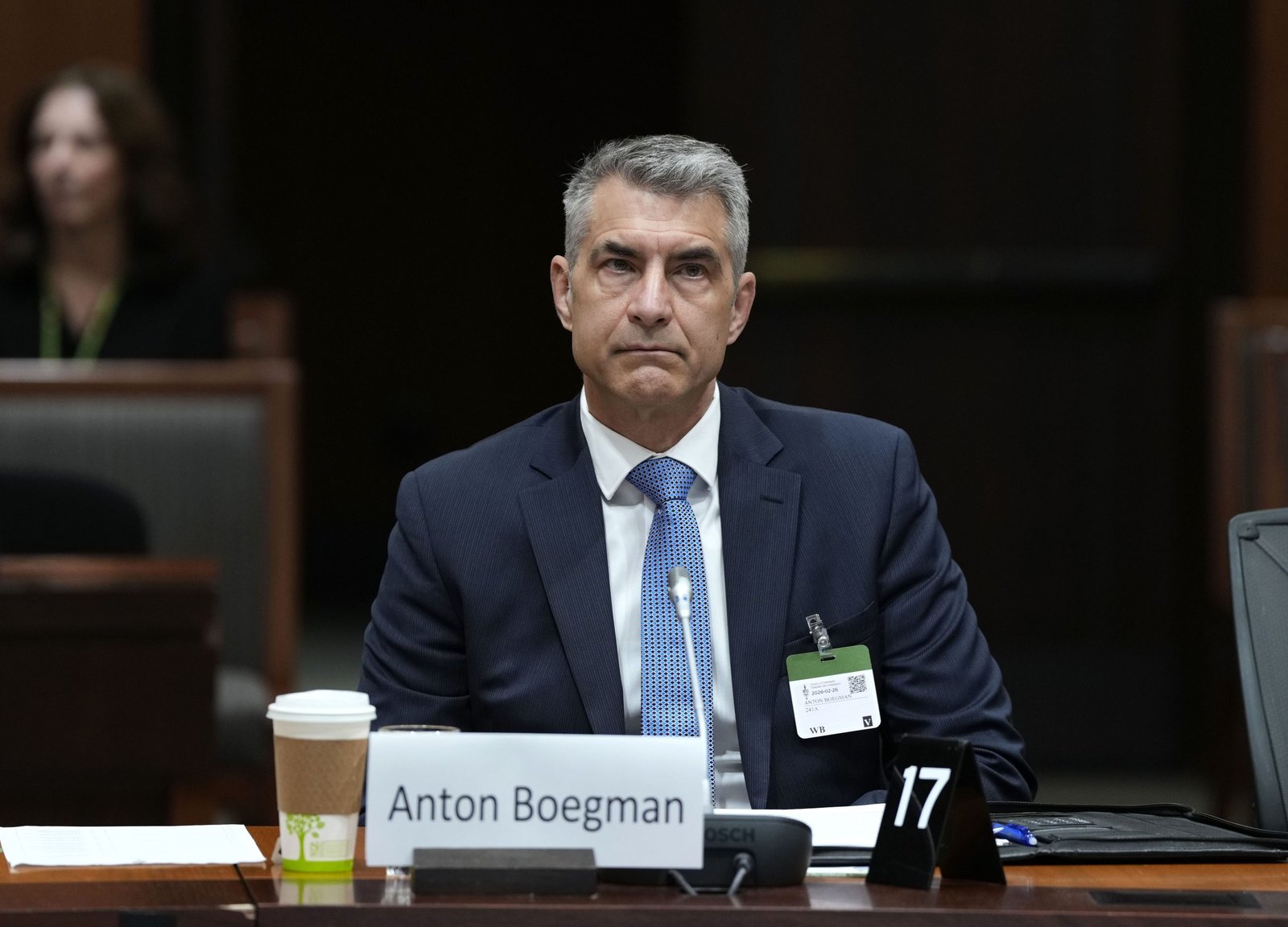
Anton Boegman’s appointment caps a years-long process to define and fill a role that helps federal security agencies confront foreign tampering with elections, federal institutions and the shaping of government policy.
The Senate and the Commons Committee on Procedure and House Affair have both reviewed the candidate to become Canada’s first-ever Foreign Influence Transparency Commissioner, which means our long-awaited Foreign Influence Registry can finally be implemented.
Anton Boegman’s appointment caps a years-long process to define and fill a role that helps federal security agencies confront foreign tampering with elections, federal institutions and the shaping of government policy.
A key enforcement tool will be the Transparency Registry, which requires declarations from everyone in Canada who has received financial or other compensation from foreign governments for engaging in political influence activities in Canada. They must disclose what they received, and what service they provided for the benefit.
The position emanates from Justice Marie-Josée Hogue’s Foreign Interference Commission, which spent over a year studying past manipulations of our democratic process, interviewing witnesses and scrutinizing reports accusing of China interfering in the 2019 and 2021 federal elections. The Hogue commission generated Bill C-70 — “An Act respecting countering foreign interference” — which became law in June 2024.
The job will be no walk in the park.
There will be much pressure exerted by prominent or well-connected people reluctant to divulge payments or gifts from foreign governments, or incur penalties for failing to register in accordance with the law.
The Commissioner can also expect resistance from territorial bureaucrats when it comes to rigidly enforcing regulations that make the registry effective.
The Commissioner’s office can only fulfil its mandate if it works closely with CSIS and the RCMP, so the feds need to read the riot act and ensure that the people in charge of turf-centric security agencies are working for Canada not for departmental fiefdoms.
Critics also oppose the registry’s requirement that Canadians declare any political activities with groups “in association with” a foreign entity, claiming this amounts to racist targeting of Canadians of Chinese ethnic origin.
Will this much-anticipated democracy shield be allowed to achieve its mission?
Evidence given to the Commons Procedure and House Affairs Committee last month already suggests the Commissioner will not receive enough staff, budget or office space to function effectively. Mr. Boegman, a former B.C. chief electoral officer, has no apparent background in fields of national security or intelligence, and his responses to Commons Committee questions suggested he had not familiarized himself with the minutiae of regulations that will shape his new role.
The job is a seven-year appointment, renewable for another seven, but the Commissioner serves at the pleasure of cabinet and can be terminated whenever the government of the day deems necessary. This leash inhibits the freedom to act with the political impunity that is crucial in a judicial appointment.
It is also concerning that, prior to the Government appointing Mr. Boegman as Transparency Commissioner, officials at Public Safety Canada announced a separate National Counter Foreign Influence Coordinator, whose job is to provide “policy and operational coordination” to counter foreign interference.
Considering the confusingly similar titles and mandates of these two posts, neither announcement made any mention of the other. How will this align, or conflict, with Mr. Boegman’s operational capacity as the Foreign Influence Transparency Commissioner?
Is the Government’s actual plan to have a Transparency Commission that is weak, compliant and underfund, and undercut its independence by having the new Foreign Interference Coordinator control who gets listed on the Foreign Influence Registry?
The fear is that Mr. Boegman will end up being a figurehead, more active in issuing information bulletins and updates than exposing figures who help promote the agendas of Beijing and Moscow in Canada — and receive benefits for doing so.
Many people will be watching to ensure Mr. Boegman flourishes in his job. Canadians have long been clamouring for a transparency registry. They will want to be certain that it is be being properly used to protect our national security.
Charles Burton is a former diplomat at Canada’s embassy in Beijing and a senior fellow at Sinopsis.cz, a global China-focused think tank based in Prague; committee member of Taiwan-based Doublethink Lab’s China Index.
The views, opinions and positions expressed by all iPolitics columnists and contributors are the author’s alone. They do not inherently or expressly reflect the views, opinions and/or positions of iPolitics.