dailynewsnblog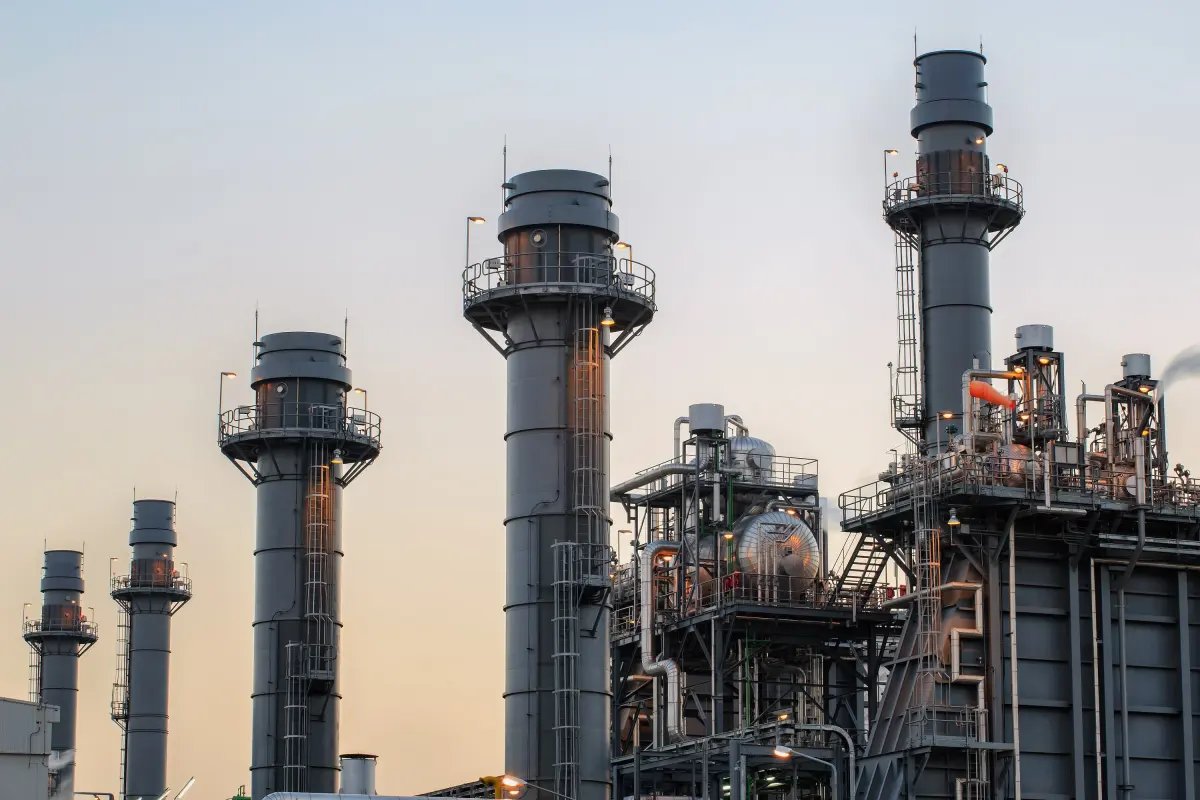
The proliferation of AI data centers plugging into the national electrical grid has helped increase consumer electricity prices, driving up the average national electricity price by more than 6% in the last year.
That’s not a good look for the incumbents ahead of this fall’s elections, and President Donald Trump addressed the challenge in his State of the Union speech last night.
“We’re telling the major tech companies that they have the obligation to provide for their own power needs,” Trump said. “They can build their own power plants as part of their factory, so that no one’s prices will go up.”
The hyperscalers in question don’t need to be told. They have already made public commitments in recent weeks to cover electricity costs by building their own power sources, paying higher rates, or both, part of a broader effort to solve PR problems around data center expansion and win over skeptical communities.
On January 11, Microsoft announced its policy “to ensure that the electricity cost of serving our datacenters is not passed on to residential customers.” January 26, OpenAI committed to “paying its own way on energy, so that our operations don’t increase your energy prices.” On February 11, Anthropic made the same pledge to “cover electricity price increases that consumers face from our data centers.” Yesterday, Google announced the largest battery project in the world yesterday to support a data center in Minnesota.
What these commitments means in practice, and who will determine which data centers are responsible for which price increases, remains unknown. The White House has not released the text of the proposed pledge.
“A handshake agreement with Big Tech over data center costs isn’t good enough,” Arizona Democratic Senator Mark Kelly said on social media. “Americans need a guarantee that energy prices won’t soar and communities have a say.”
Techcrunch event
Boston, MA
|
June 9, 2026
White House spokesperson Taylor Rodgers said that next week, companies will send representatives to formally sign the pledge at the White House. Amazon, Google, Meta, Microsoft, xAI, Oracle and OpenAI are reportedly among those set to attend. However none of the companies have confirmed their attendance.
Even if tech companies committ to taking on electricity costs, on-site power plants may not be a panacea—they can still have adverse impacts on the surrounding environment, and will stress supply chains for natural gas, turbines, photovoltaics and batteries, depending on how companies aim to power their compute.