dailynewsnblog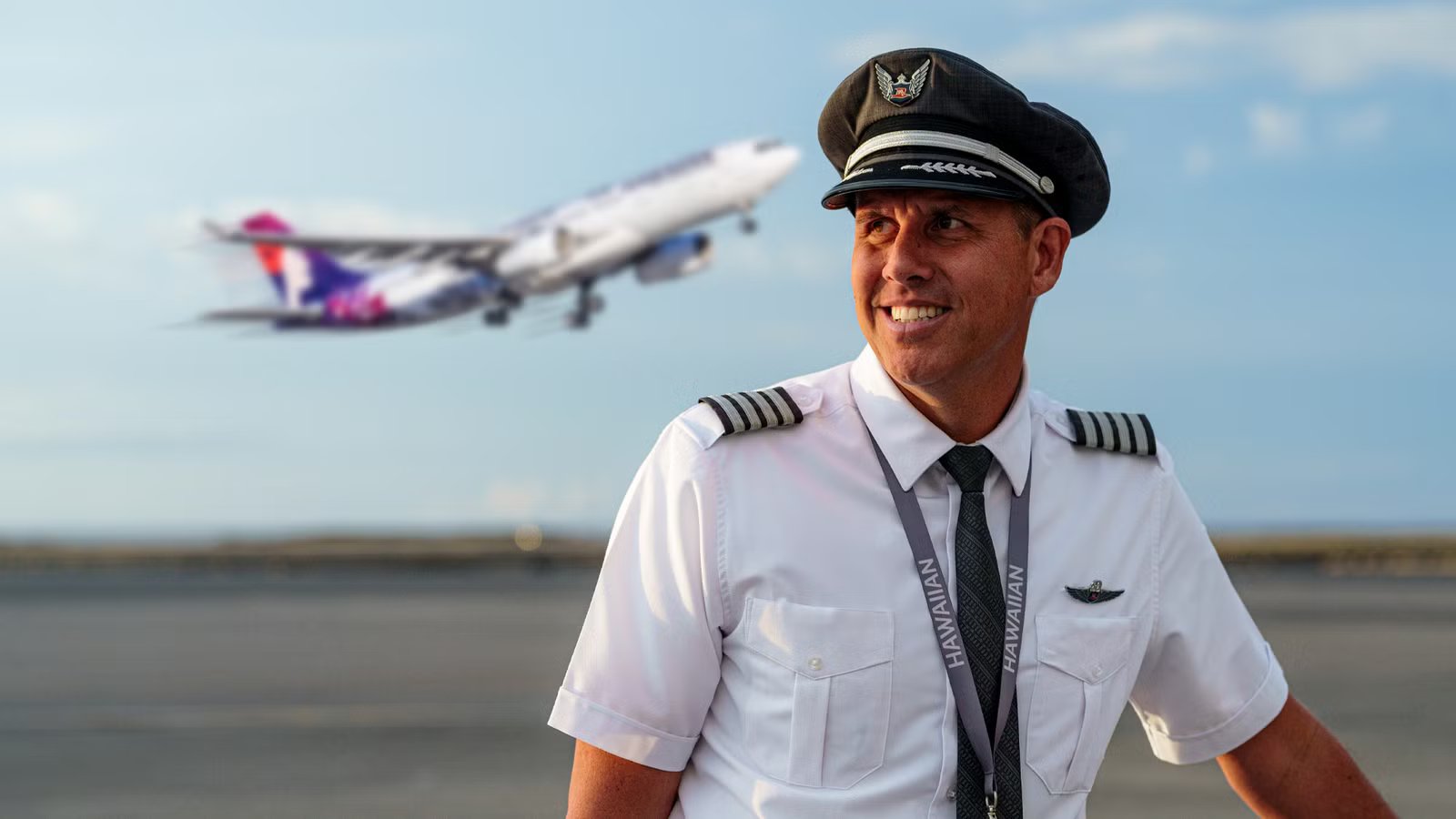
US widebody captains at carriers such as  American Airlines and
  Delta Air Lines are earning over $500,000 (€460,000+) in total annual compensation in 2026, driven by base salaries approaching $470,000, profit-sharing payouts, and retirement contributions exceeding 15%. Recent data from industry sources shows how, even lower-ranked carriers like United Airlines push total pay past $400,000 through aggressive 401(k) contributions of up to 18%, highlighting how dramatically pilot earnings have risen in the post-pandemic market.
This analysis ranks five major US airlines from highest to lowest widebody captain pay and breaks down the key factors behind those figures, including base salary, total compensation, and benefits structure. The trend also has direct relevance for the US market, where international widebody operations, particularly across transatlantic and transpacific routes, remain critical to airlines like Alaska Airlines and Hawaiian Airlines as they expand long-haul capacity and compete for experienced pilots.
Why Widebody Captains Are Paid So Well

Widebody captains sit at the very top of the airline seniority system, representing the culmination of decades of training, experience, and progression through the ranks. Before reaching this level, pilots typically spend years flying regional jets and narrowbody aircraft, serving as first officers, before finally upgrading to captain, often after accumulating 5,000–10,000 flight hours. Airlines are not simply paying for the act of flying but for a pilot’s proven ability to manage complex aircraft systems, interpret vast amounts of operational data, and make high-stakes decisions under pressure.
The scale of responsibility is another major reason for such high compensation. Widebody captains command aircraft that can carry 250–350 passengers across intercontinental distances, often flying for 8–16 hours at a time. They must oversee crew coordination, ensure regulatory compliance across multiple countries, and handle unforeseen challenges such as severe weather deviations, technical malfunctions, or onboard medical emergencies. In many cases, the captain is the final authority on all operational decisions, making their role comparable to that of a senior executive in terms of accountability and decision-making weight.
Economic and industry-wide factors have also significantly increased pilot pay in recent years. A persistent global pilot shortage, combined with strong union bargaining power in the United States, has led to record-breaking contracts at major airlines. Carriers are competing aggressively to attract and retain experienced pilots, particularly for widebody fleets that generate the highest revenue. As a result, compensation packages now include not only high base salaries but also profit-sharing, signing incentives, and substantial retirement contributions, pushing total earnings into the $400,000–$500,000+ range.
American Airlines

American Airlines currently leads the industry in terms of peak earning potential for widebody captains. A 12-year senior captain earns a base salary of approximately $469,590, slightly surpassing its closest competitors and placing it at the top of the base pay hierarchy. This reflects recent contract improvements and the airline’s effort to remain competitive in an increasingly tight pilot labor market.
Total compensation at American can climb even higher when additional benefits are included. Profit-sharing, retirement contributions, and other financial incentives can push annual earnings beyond $540,000 in strong years. These figures represent some of the highest compensation packages available to commercial pilots anywhere in the world, highlighting just how valuable experienced widebody captains have become to major airlines.
American’s vast global network also plays a significant role in supporting these high earnings. As one of the largest airlines in the world, it operates an extensive fleet of widebody aircraft on long-haul international routes. This provides senior captains with frequent opportunities to fly high-value routes, maximize flight hours, and maintain consistently high income levels throughout their careers.

What Is The Typical Salary For A Private Jet Pilot?
A dream job or perfect storm?
Delta Air Lines

At Delta Air Lines, widebody captains benefit from one of the most balanced and consistently high-paying compensation structures in the industry. A senior captain with roughly 12 years of experience in the left seat can earn a base salary exceeding $465,000, placing Delta firmly among the top-paying airlines in the United States. This base pay reflects both the airline’s strong financial performance and its long-standing reputation for investing heavily in its workforce.
Where Delta truly stands out is in its profit-sharing program, which has become a defining feature of its compensation model. In profitable years, pilots can receive significant additional payouts that meaningfully increase their total earnings. When combined with robust retirement contributions and other contractual benefits, total compensation frequently exceeds $500,000 annually. This makes Delta not only competitive on paper but also highly attractive in terms of real-world take-home and long-term financial value.
Delta’s extensive international network and large widebody fleet further enhance earning opportunities. The airline operates numerous long-haul routes across Europe, Asia, and beyond, ensuring consistent demand for experienced captains. This operational scale provides stability, predictable scheduling, and access to premium routes, all of which contribute to making Delta one of the most desirable employers for senior widebody pilots.
United Airlines

 United Airlines offers a compensation structure that differs slightly from its main competitors, placing a stronger emphasis on long-term financial benefits rather than headline base salary. A 12-year widebody captain earns a base salary of around $352,000, which is lower than both Delta and American. However, this lower base is offset by one of the most generous retirement contribution schemes in the industry.
The airline’s direct 401(k) contributions, ranging from 16% to 18% of pay, are a standout feature and significantly enhance overall compensation. When combined with profit-sharing and other benefits, total annual earnings comfortably exceed $400,000. Over the course of a career, these retirement contributions can accumulate into substantial long-term wealth, making United particularly appealing for pilots focused on financial security beyond their active flying years.
|
Rank |
Airline |
Base Salary (12-Year Captain) |
Estimated Total Compensation |
Key Strength |
|---|---|---|---|---|
|
1 |
American Airlines |
$469,590 (€430,000) |
$500,000 – $544,000+ (€460,000 – €500,000+) |
Highest overall earning ceiling |
|
2 |
Delta Air Lines |
$465,130 (€426,000) |
$500,000+ (€460,000+) |
Strong profit-sharing & consistency |
|
3 |
United Airlines |
$352,000 (€322,000) |
$400,000+ (€366,000+) |
Industry-leading 401(k) contributions |
|
4 |
Hawaiian Airlines |
$374,000 – $407,000 (€342,000 – €372,000) |
Up to $407,000 (€372,000) |
Solid pay + lifestyle routes |
|
5 |
Alaska Airlines |
$325,000 – $407,000 (€297,000 – €372,000) |
Up to $407,000 (€372,000) |
New widebody operations |
United’s global scale further strengthens its value proposition. With one of the largest international route networks in the world, the airline offers a wide range of long-haul flying opportunities across multiple continents. This ensures that widebody captains have access to consistent, high-demand routes, supporting both stable income and career longevity within the airline.

A Look At The Salaries Of First Officers In Legacy Carriers In 2026
First officers can expect to pull in over $100,000 in their first year of service with legacy carriers assuming around 75 flight hours worked monthly.
Hawaiian Airlines

Hawaiian Airlines occupies a unique position in the US aviation market, operating a smaller but still significant widebody fleet primarily made up of Airbus A330 aircraft. Despite its more limited size compared to the major legacy carriers, the airline offers competitive compensation for senior captains, with salaries typically ranging between $374,000 and $407,000.
While total compensation may not quite reach the levels seen at larger airlines like Delta or American, Hawaiian provides distinct advantages that go beyond salary alone. Many pilots are drawn to the lifestyle associated with flying routes centered around Hawaii, including transpacific services to Asia and the US mainland. This can offer a more desirable work-life balance and unique flying experiences that are not available with other carriers.
The airline’s pay structure still reflects the high level of skill and responsibility required for widebody operations. Senior captains are compensated in line with their expertise and the demands of long-haul flying, ensuring that Hawaiian remains competitive in attracting and retaining experienced pilots despite its smaller scale.
Alaska Airlines

 Alaska Airlines has recently expanded into the widebody segment following its acquisition of Hawaiian Airlines, marking a significant evolution in its business model. Traditionally known for its narrowbody operations, Alaska now has access to long-haul aircraft such as the Boeing 787, opening the door to new international opportunities and higher-paying captain roles. This shift represents a strategic move beyond its historically domestic and transcontinental focus, allowing the airline to compete more directly on long-haul routes and diversify its revenue streams.
As Alaska continues to integrate Hawaiian’s operations and expand its long-haul network, its compensation structure is likely to evolve. Increased exposure to international flying and higher-revenue routes could lead to improved pay scales and additional earning opportunities. The integration may also bring greater fleet diversity, improved bidding flexibility, and more frequent upgrade opportunities, potentially accelerating career progression. Taken together, these developments position Alaska as an increasingly competitive and appealing option for pilots seeking widebody experience without committing to a traditional legacy carrier pathway.