dailynewsnblog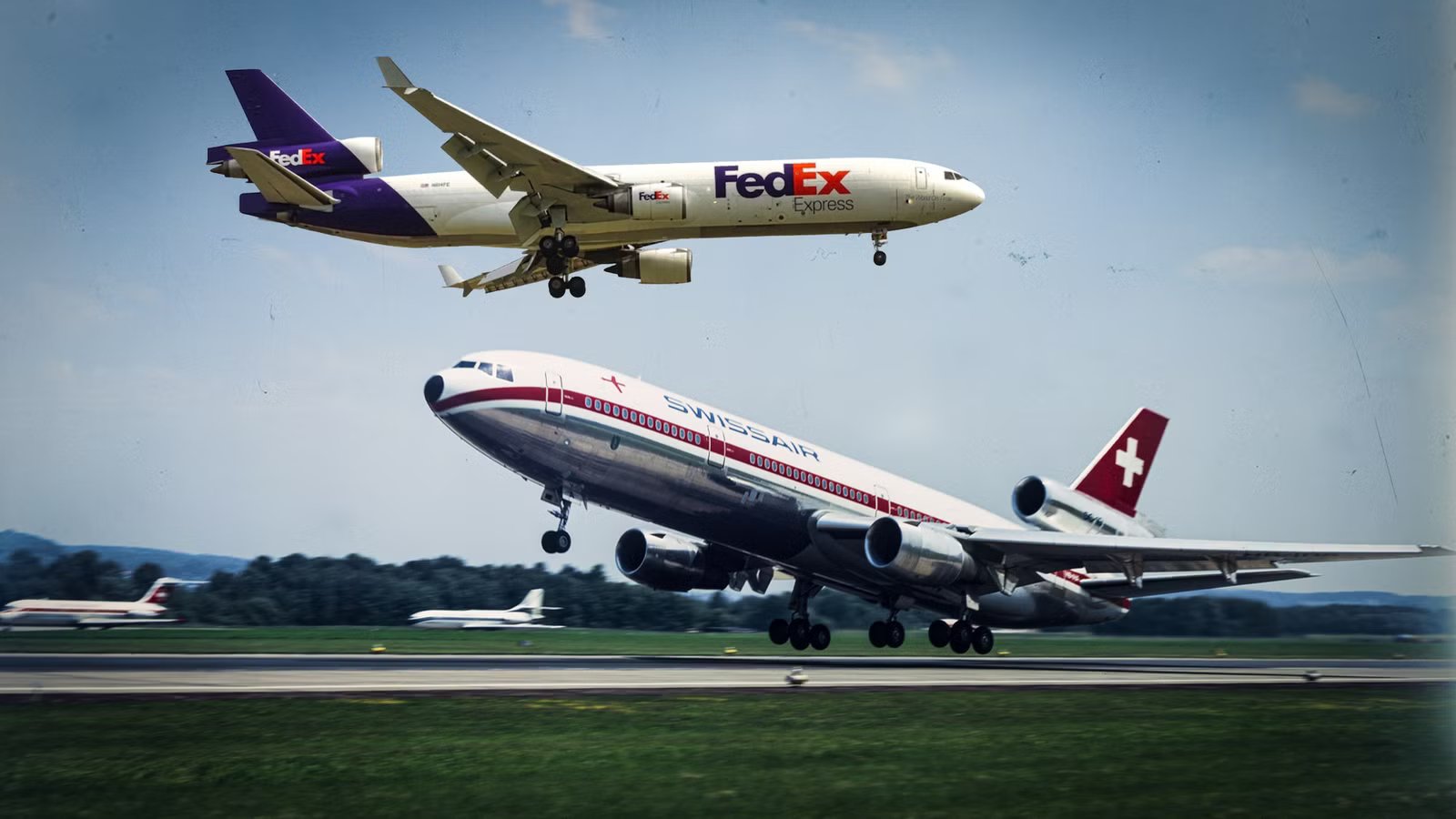
To understand modern widebody aircraft design, we need to return to the late 1970s and early 1980s, a period when two aircraft helped shape the trajectory of the long-haul jets we see in the skies today: the McDonnell Douglas DC-10 and its successor, the McDonnell Douglas MD-11.
In this article, we examine what pilots immediately notice when stepping into the cockpits of both aircraft. We explore their development backgrounds, technical differences, and how design changes influence handling characteristics and overall flight experience.
Why The DC-10 Was Built And Why The MD-11 Followed

To understand the pilot’s perspective, we must first understand the aircraft themselves.
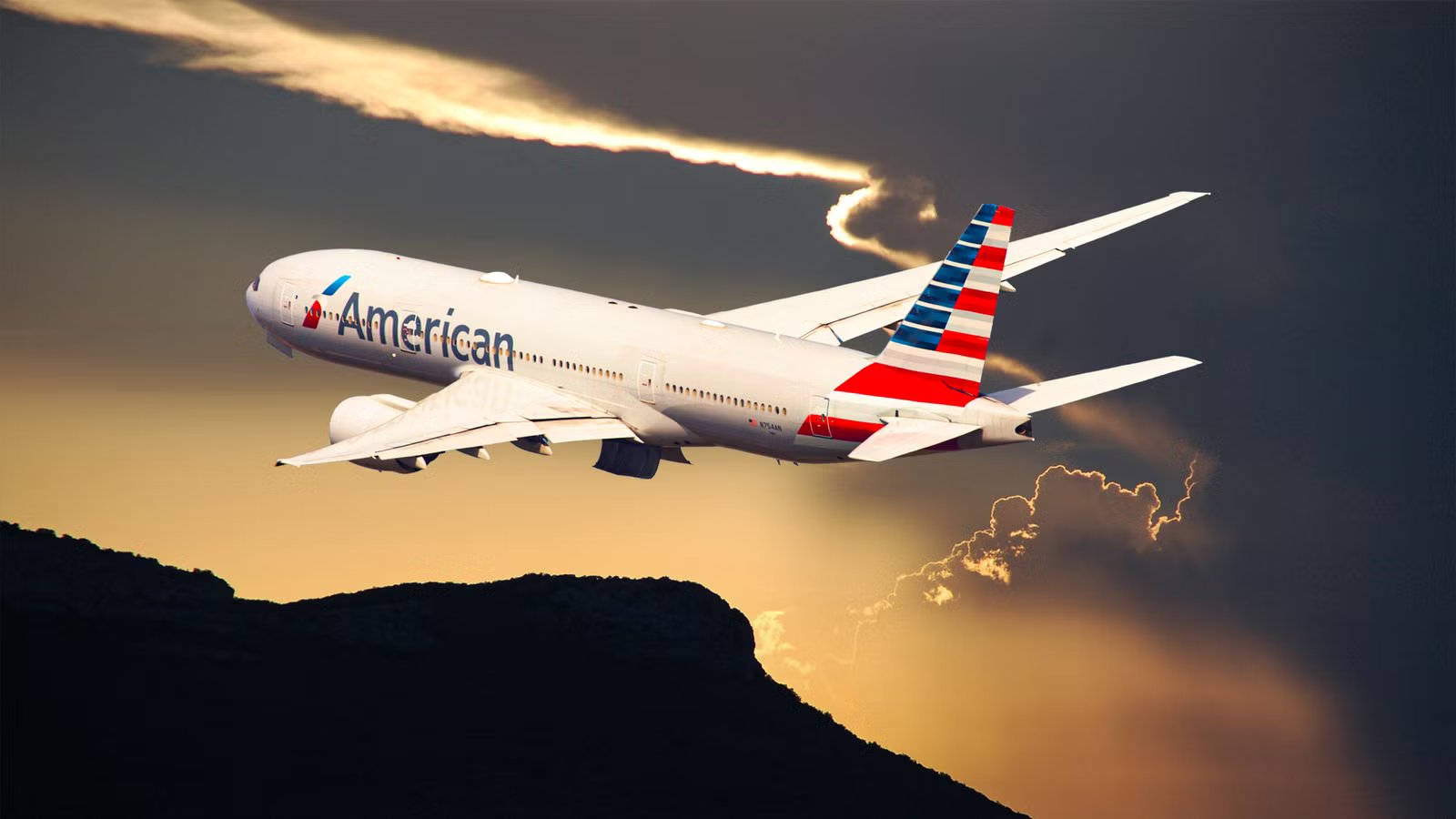
The McDonnell Douglas DC-10 was designed to appeal to U.S. carriers such as American Airlines, which required an aircraft smaller than the Boeing 747 yet capable of transcontinental range while maintaining widebody passenger appeal. Alongside the Lockheed L-1011 TriStar, the DC-10 filled the gap between narrowbody jets seating around 180 passengers and the much larger 747, which carried approximately 360.
At the time, ETOPS regulations had not yet enabled twin-engine aircraft to operate transoceanic routes with the same flexibility. The trijet configuration, therefore, provided airlines with operational reassurance for long overwater flights.
Although the DC-10 proved commercially successful, McDonnell Douglas sought to refine and modernize the concept. The MD-11, introduced in the late 1980s, incorporated aerodynamic improvements, lower drag, enhanced fuel efficiency, and extended range. While it retained the DC-10’s fundamental trijet configuration, it introduced numerous system and design upgrades.
However, these refinements would carry consequences, particularly from the pilot’s perspective.

The Striking Differences Between The McDonnell Douglas DC-10 & MD-11
Discover how the DC-10 and MD-11 reshaped wide-body design, defined the trijet era, and why their legacy still lingers in today’s skies.
From Three Crew To Two: The Flight Deck Revolution

The most striking difference for pilots was the cockpit. The DC-10 required a three-person crew: captain, first officer, and flight engineer. Its flight deck was dominated by analogue instrumentation, and the flight engineer played a central role in managing the aircraft’s complex systems.
In contrast, the MD-11 introduced a two-crew glass cockpit under the Advanced Common Flightdeck (ACF) concept. Six CRT displays replaced much of the analogue instrumentation, supported by electronic flight instrument systems (EFIS), advanced flight management systems, and autoland capability.
Eliminating the flight engineer reduced operating costs and modernized the workflow to align with contemporary Airbus and Boeing standards. The MD-11 also integrated computer-controlled stabilizer trim and spoiler systems, representing McDonnell Douglas’s most advanced automation package at the time.
Yet the cockpit transformation was only part of the story. A series of aerodynamic and structural modifications, some subtle, others more pronounced, altered the aircraft’s handling characteristics. These refinements, intended to enhance efficiency and performance, ultimately contributed to a noticeably different flying experience. And that is where pilot opinion begins to diverge.
Engine Evolution And Aircraft Feel

One of the more subtle, yet significant, differences pilots noticed lay in the engine behavior and overall power delivery. Earlier DC-10 variants, particularly those powered by General Electric CF6 and Pratt & Whitney JT9D engines, delivered what many pilots describe as a more analogue experience. Thrust changes required closer monitoring, and energy management demanded a more hands-on approach. The power response was solid and dependable, but less refined by modern standards.
By contrast, the MD-11 was equipped with later-generation engines such as the General Electric CF6-80C2 or Pratt & Whitney PW4000. These powerplants were quieter, more fuel-efficient, and offered increased thrust. Pilots frequently noted smoother thrust transitions and stronger climb performance at higher weights, characteristics particularly evident during long-haul departures.
In essence, the DC-10 felt like a traditional heavy jet, powerful, stable, and forgiving. The MD-11, by comparison, felt more optimized and technologically advanced: efficient and capable yet demanding greater discipline and precision from the crew.
|
McDonnell-Douglas DC-10-30 |
McDonnell-Douglas MD-11 |
|
|
Length |
182 feet, 1 inch (55.50 meters) |
200 feet, 10 inches (61.21 meters) |
|
Wingspan |
165 feet, 4 inches (50.40 meters) |
169 feet, 6 inches (51.66 meters) |
|
Wingarea |
3,958 ft² (367.70 meters²) |
3,648 ft² (338.90 meters²) |
|
Height |
58 feet, 1 inch (17.70 meters) |
57 feet, 9 inches (17.60 meters) |
|
Engine Types |
GE CF6, P&W JT9D |
GE CF6, P&W PW4000 |
|
Thrust per Engine |
54,000 lbf (240 kN) |
62,000 lbf (276 kN) |
|
Total Thrust |
162,000 lbf (720 kN) |
186,000 lbf (828 kN) |
|
MTOW |
580,000 lbs (263,085 kgs) |
631,000 lbs (285,990 kgs) |
|
Range |
4,004 nm (7,415 km) |
6,804 nm (12,600 km) |
|
Capacity |
250 passengers |
298 passengers |
Source: Aviator Joe and Skybrary
Aerodynamic Refinements: Wings And Fuselage Stretch

From a visual standpoint, the most obvious distinction between the two aircraft is the addition of winglets on the MD-11. Developed in cooperation with NASA during the 1980s, these drag-reducing devices delivered an improvement in fuel efficiency of roughly 2.5 per cent, a meaningful advantage on long-haul routes.
Moreover, these aerodynamic refinements were introduced alongside a structural stretch. The MD-11 was approximately 20 feet longer than the DC-10, and that additional length subtly altered the aircraft’s balance and inertia characteristics. These changes were particularly noticeable during the landing phase.
In contrast, the DC-10’s more conventional stability characteristics required firmer control input but provided stronger natural damping. Many pilots perceived it as more stable and predictable, an aircraft that absorbed minor deviations rather than amplifying them.
Ultimately, the MD-11 prioritized aerodynamic efficiency over inherent stability. It was neither unsafe nor poorly conceived, but it required a level of precision and discipline that marked a distinct shift from its predecessor.
Relaxed Stability And Tail Redesign

Unlike the DC-10, the MD-11 adopted a relaxed static longitudinal stability design. Engineers reduced the horizontal stabilizer area by approximately 30% compared with its predecessor, enabling a more aft center of gravity and lowering both drag and structural weight. A fuel tank integrated into the stabilizer helped maintain that aft balance in flight. Collectively, these measures reduced overall drag and delivered a near three percent reduction in fuel burn.
The trade-off for these gains was increased pitch sensitivity. With a smaller tailplane and aft center of gravity, less control force was required to alter pitch attitude. Investigations in the 1990s confirmed that the MD-11 demanded lighter control inputs in manual flight than many other aircraft. While this improved efficiency, it also made the aircraft more susceptible to pilot-induced oscillations, particularly at high altitude and during manual handling.
Software refinements were introduced to moderate this behavior. Enhancements to the longitudinal stability augmentation system and later flight control computer updates incorporated pitch rate damping, first targeting high-altitude handling and later extending into the landing phase. Training programs were also adjusted to emphasize disciplined speed management and precise flare technique.
These combined design choices explain the MD-11’s reputation for more demanding landings. Aft center-of-gravity limits, reduced tail size and pitch responses during spoiler deployment narrowed the margin for error. Tailstrikes and bounced landings were often symptoms of excessive sink rate or overcontrol rather than inherent flaws in the aircraft.
Different Aircraft, Different Opinions

In summary, the most noticeable difference pilots noticed was the cockpit and overall handling characteristics. The MD-11, with its three-crew cockpit, felt more spacious and less congested than earlier widebody designs. This environment may have influenced crew dynamics, potentially encouraging greater mutual reliance and trust between crew members.
The DC-10 was regarded as a traditional heavy jet: powerful, stable, and forgiving. In contrast, the MD-11 appeared more optimized and technologically advanced, yet demanding greater precision and discipline, particularly in pitch control.
However, these differences ultimately came down to personal preference. The comparison is similar to that between manual and electric cars: some pilots prefer the mechanical solidity and traditional feel of earlier aircraft, while others favor the responsiveness and technological sophistication of newer designs. A poll among aviation enthusiasts has shown a preference for the MD-11 as an aircraft they would most like to fly, reflecting its distinctive character and performance reputation. In contrast, one commenter said on Reddit:
In essence, the DC-10 and MD-11 represent different design philosophies. Neither is inherently better; they are simply different aircraft requiring different pilot adaptations.
Where The Trijet Era Leaves Today’s Pilots

Although both aircraft were central to long-haul airline operations worldwide during the 1980s and were highly regarded for flight deck assignments at the time, the opportunity to fly either type today is quite limited.
Production of the DC-10 concluded in 1989 after 386 aircraft had been built, while the MD-11 followed in 2000 with a total of 200 units produced. Although the MD-11 never achieved the commercial success McDonnell Douglas had envisioned, it was a remarkable aircraft.
Unfortunately, the MD-11 entered service just as the commercial viability of the trijet configuration was beginning to fade. The rapid rise of more efficient twin-engine wide-bodies, particularly the Boeing 777 and Airbus A330 during the 1990s and early 2000s, reshaped long-haul economics. As ETOPS capabilities expanded, airlines increasingly favored twin-engine aircraft offering lower fuel burn and simplified maintenance.
Passenger operations for both the DC-10 and MD-11 gradually declined, effectively ending by 2014. Many aircraft were subsequently converted to freighters or reassigned to specialized roles. A small number have remained airworthy in recent years, including firefighting tankers operated by 10 Tanker Air Carrier, limited cargo operators, and specialist missions such as the Orbis International Flying Eye Hospital.
Until recently, around eight DC-10s were still in use in niche roles. Prior to the November 2025 UPS accident, FedEx had announced plans to delay the retirement of its MD-11 fleet until 2032. However, as of 30 January 2026, the fleet remains grounded under an FAA Emergency Airworthiness Directive issued on 8 November 2025. Shortly afterward, the FAA broadened the grounding order to include the remaining DC-10 fleets. At present, no aircraft are active, although this situation may change depending on regulatory developments.

The Aircraft Replacing The McDonnell Douglas MD-11
The MD-11s are approaching their operational life, and newer, more efficient types are taking over their role.
The trijet configuration itself, however, has not disappeared entirely. Business aircraft such as Boeing 727, the Dassault Falcon 900, Falcon 7X, and Falcon 8X remain in production with three engines, and the Chengdu J-36 represents a military example of the layout. For anyone seeking a modern trijet experience, these aircraft offer a far more realistic possibility.