dailynewsnblog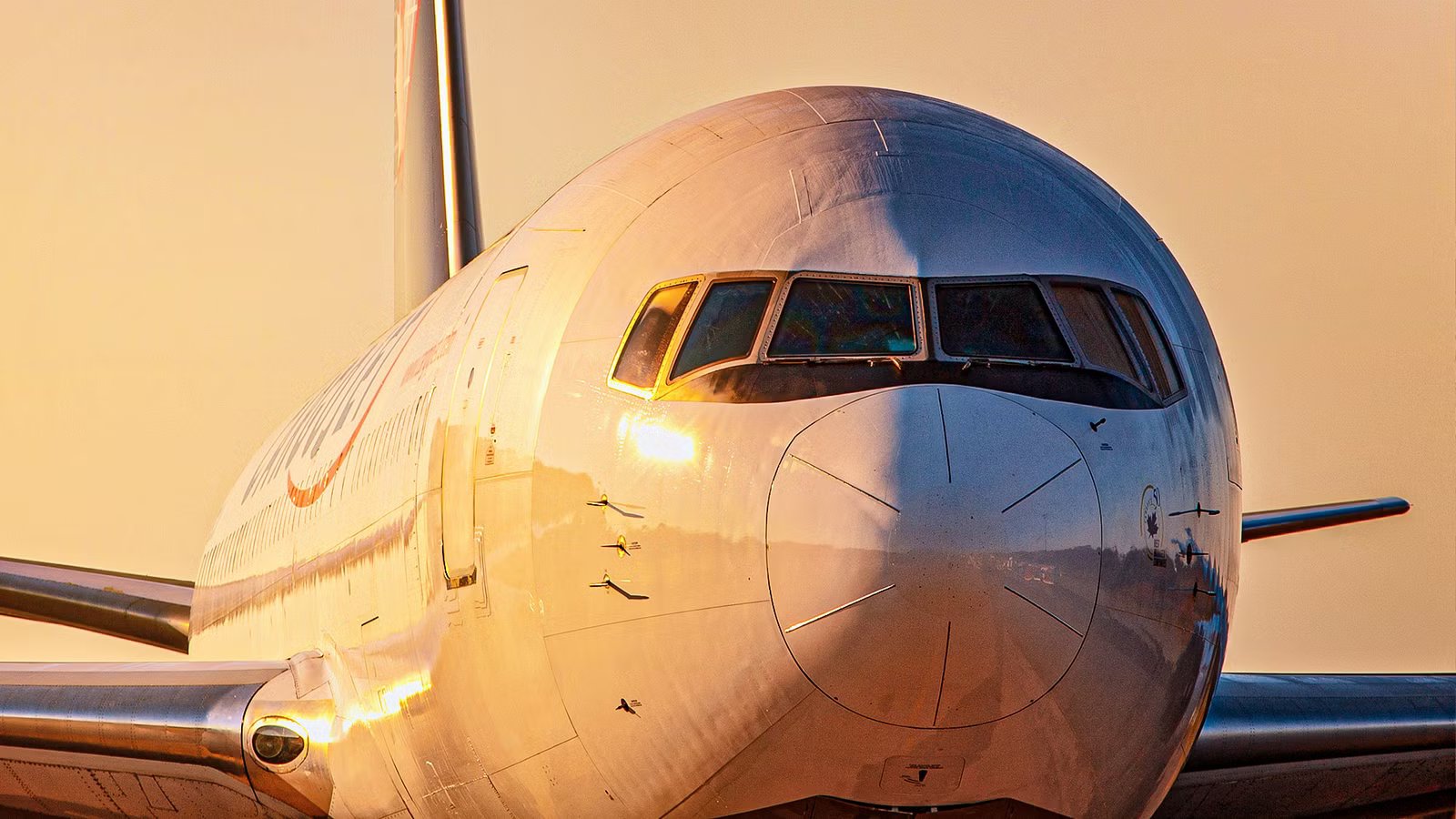
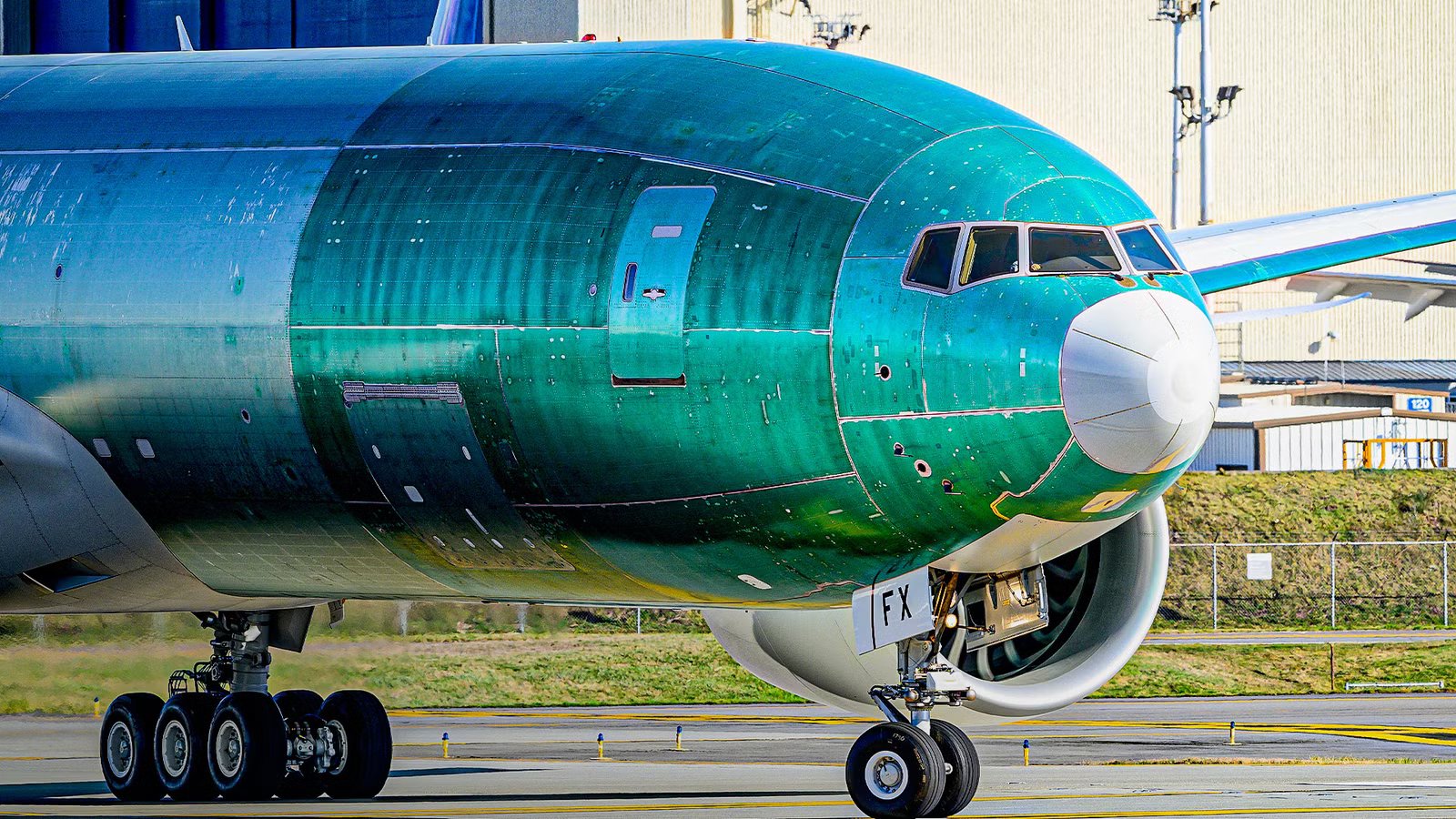
Transitioning from the Boeing 767 to the Boeing 777 is often described by flight crews as moving from a classic mechanical masterpiece to a digital titan. While both aircraft share a surprising amount of design DNA, including the same nose section and cockpit window dimensions, the operational experience from the captain’s seat is worlds apart. This guide explores the technical, tactile, and psychological shifts pilots encounter when moving between these two legendary wide-bodies, from the literal weight of the controls to the logic of the flight deck.
These differences highlight the rapid evolution of aerospace technology during the 1990s. The 767 was the pioneer of the two-crew widebody cockpit, effectively ending the era of the flight engineer for long-haul flights. However, the 777 took that foundation and introduced fly-by-wire technology, forever changing how a  Boeing aircraft feels during a hand-flown approach.
A Direct Feel

The most immediate difference a pilot feels is in the control column. The Boeing 767 uses a traditional mechanical system where steel cables and pulleys physically connect the yoke to the hydraulic actuators that move the control surfaces. This gives the 767 a heavy, stable, and direct feel. When the yoke is pulled back, the input is solely aided by hydraulic augmentation. Many pilots prefer this ‘seat-of-the-pants’ proprioceptive feedback during gusty landings because the aircraft’s response is purely proportional to the physical input provided.
In contrast, the Boeing 777 is a fly-by-wire aircraft, meaning there is no physical link between the cockpit and the wings. When a pilot moves the yoke on a 777, they are sending an electronic signal to a flight control computer, which then decides how much to move the surfaces based on current airspeed and flight envelope protections. To maintain the Boeing feel, engineers added artificial feel units to the 777’s yoke to simulate resistance, but pilots often note that the 777 feels much lighter and more nimble despite being a significantly larger aircraft.
This shift to FBW also introduced envelope protection, a safety feature the 767 lacks. On a 767, if a pilot pulls back hard enough, the aircraft will eventually stall. Without this protection, the plane will do exactly what it is told, even if it is dangerous. On the 777, the computers provide tactile resistance, or a hard pushback, to prevent the pilot from overstressing the airframe or entering a dangerous pitch attitude. This creates a psychological shift where the pilot moves from being the direct operator of a machine to a manager of systems that oversee the flight. When compared with an Airbus system, the computer input is much softer, making it difficult to put the aircraft into dangerous flight situations rather than physically impossible.
Major Changes To Cockpit Visuals

Stepping into the cockpit of an original Boeing 767-300 feels like entering a high-tech office from 1982, dominated by the famous Boeing brown color scheme and small, square cathode ray tube displays. The primary flight instruments are condensed into these glowing glass tubes, but they are still surrounded by a significant number of analog clock gauges for secondary engine data and standby instruments. This layout was a revolution at the time, but by modern standards, it requires a higher scan rate from the pilot to synthesize information across different media.
The Boeing 777 cockpit, however, marks the birth of the modern grey Boeing aesthetic, featuring six large, identical liquid-crystal displays that are vastly more readable in direct sunlight. This glass cockpit evolution allowed Boeing to consolidate almost all information, such as flight data, engine health, and electronic checklists, into a unified visual format. For a pilot transitioning from the 767, the 777 feels far less cluttered, as the large screens allow for synoptic pages that use simplified diagrams to show the status of complex systems like fuel or hydraulics.
The Boeing 767-400ER serves as a fascinating missing link in this evolution, as it was designed to bridge the gap between the 2 fleets.  Delta and
  United pilots often fly the 767-400, which features an airframe that is purely 767 but a cockpit display suite that is nearly identical to the 777. While the view out the front window remains the same, since both aircraft share the same Section 41 nose assembly, the 767-400 allowed airlines to train pilots on 777-style avionics while maintaining the simpler mechanical flight controls of the original wide-body. Interestingly, the 767-400ER displays are actually more advanced than the original 777-200 displays because they came out later, even though they look the same.

Why The Boeing 777’s Main Gear Needs 12 Tires
The 12-tire main landing gear setup is more than an engineering quirk.
Analogue Or Electronic

The overhead panel of the Boeing 767-300 remains a bastion of 1980s engineering, heavily featuring physical toggle and rotary switches. Managing systems like fuel crossfeeds or hydraulic pumps on this airframe requires a hands-on approach, with the pilot physically flipping a switch and monitoring a separate analog gauge to confirm the move. According to Key.aero’s technical comparison, while the 767 was a leader in reducing crew count to two, its system logic still requires the pilot to be the primary actor in system configuration, which can increase cognitive load during high-stress malfunctions.
In contrast, the Boeing 777 overhead panel was designed with a different approach in mind. Almost all mechanical toggles were replaced by square, lighted push-buttons that remain unlit during normal operations. This management-by-exception logic means that if no lights are visible, the systems are running correctly. The 777’s computers handle the majority of routine tasks, such as automatic electrical bus switching and load shedding, allowing the pilot to maintain broader situational awareness rather than focusing on individual switch positions.
A pilot moving from the 767 to the 777 often notes that the 777 thinks for itself far more than its predecessor. For instance, during an engine start on a 767, the pilot must monitor several gauges and manually move fuel levers at precise percentages of N2. On the 777, the pilot simply rotates a start selector to ‘start’, and the electronic engine control handles the entire sequence, including protection against hot or failed starts. This shift reduces technical chores, though some veteran pilots argue it creates a subtle sense of detachment from the aircraft’s physical heart.
Different Scaling

When transitioning to the 777, pilots must recalibrate their internal sense of scale, particularly regarding the aircraft’s length and ground footprint. The Boeing 777-300ER is significantly longer than the standard 767-300, which introduces a much higher risk of a tail strike during rotation. Some pilots note that while the 767 is forgiving, the 777 requires a precise, measured rotation rate to ensure the aft fuselage clears the runway.
The most visible structural difference, and a key point for visual identification, is the landing gear. The 767 utilizes a four-wheel main assembly, whereas the 777 features a massive six-wheel main gear assembly. For the pilot, this six-wheel footprint changes the pivot point during taxiing. The 777’s main gear is so far back that it requires oversteering the nose wheel past the taxiway centerline to ensure the main gear doesn’t curb the grass or runway lights during tight turns.
Furthermore, the sheer diameter of the 777’s engines creates a unique aerodynamic challenge during crosswind landings. The 777’s engines have a massive surface area that can act like a sail, requiring more aggressive rudder input than the 767. Being aware of such structural commonalities and differences is vital for crews because, while they look similar from the nose, the 777’s mass and dimensions require a much more deliberate approach to ground and low-speed maneuvering.

Why The Boeing 747’s Main Gear Needs 16 Tires
Discover why the iconic Boeing 747 needs 16 main gear tires: exploring its landing gear design, weight distribution, and fascinating aviation facts.
Two Aircraft, One Rating

A common question among aviation enthusiasts is whether a pilot can fly both aircraft simultaneously. In the United States and many other jurisdictions, the Boeing 757 and 767 share a common type rating, meaning a pilot is legally qualified to fly both with a single check-ride. However, the Boeing 777 requires a separate type rating due to the shift to fly-by-wire technology and vastly different system logic. Transitioning from the 767 to the 777 usually requires a short-course or different training rather than a full initial training cycle, as Boeing intentionally designed the 777 cockpit to mimic the 767’s ergonomics to reduce training costs for airlines.
The transition process is less about learning how to fly and more about learning how to manage the 777’s automation. Pilots moving from the 767 must unlearn manual habits, such as constantly reaching for the trim switch. On the 777, the flight control computers handle basic trim functions during configuration changes, a feature that can feel disconcerting to a pilot accustomed to the 767’s mechanical feedback. The learning curve is often steepest when mastering the 777’s non-normal procedures, which are handled through an on-screen electronic checklist rather than the physical paper books used in the 767-300.
Despite the different ratings, the Boeing DNA is strong enough that the transition is often described as seamless. The primary flight display and navigation display on a 767-400ER and a 777 are virtually identical in terms of symbology and color-coding. This was a purposeful move by Boeing to allow major carriers to cross-pollinate their wide-body pilot pools efficiently. While the 777 is a much more capable computer, it still speaks the same language as the 767, ensuring that the core principles of airmanship remain consistent across both fleets.
Pilot’s Final Verdict

Choosing between the 767 and the 777 often comes down to a pilot’s preference primarily. The Boeing 767 is frequently cited as a favorite among those who enjoy the raw, mechanical art of piloting, as its smaller size and direct controls make it feel more like an airliner of the past than other widebodies. It remains a popular choice for global cargo operations and medium-haul secondary routes where its lower operating costs and rugged simplicity are still unmatched.
In contrast, the Boeing 777 is a very different bit of kit, built to provide a stable, high-tech sanctuary for crews on 15-hour operations. From a practical standpoint, the 777’s superior crew rest facilities, advanced cockpit, and automated safety protection make it the preferred choice for ultra-long-range flying. While it lacks the tactile feedback of the 767’s mechanical cables, it replaces it with an unparalleled level of reliability and situational awareness that has defined the modern era of aviation.
Ultimately, the transition from the 767 to the 777 represents the successful evolution of Boeing aircraft. By maintaining the same nose profile, window layout, and basic ergonomic footprint, Boeing ensured that a pilot’s hard-earned experience on the 767 remains relevant in the 777 cockpit. Whether a pilot is manually wrestling a 767 through a crosswind in a cargo hub or monitoring a 777’s autostart sequence in a major international hub, they are operating within a design lineage that prioritizes the pilot as the final authority, a consistency that remains a major technical achievement.