dailynewsnblog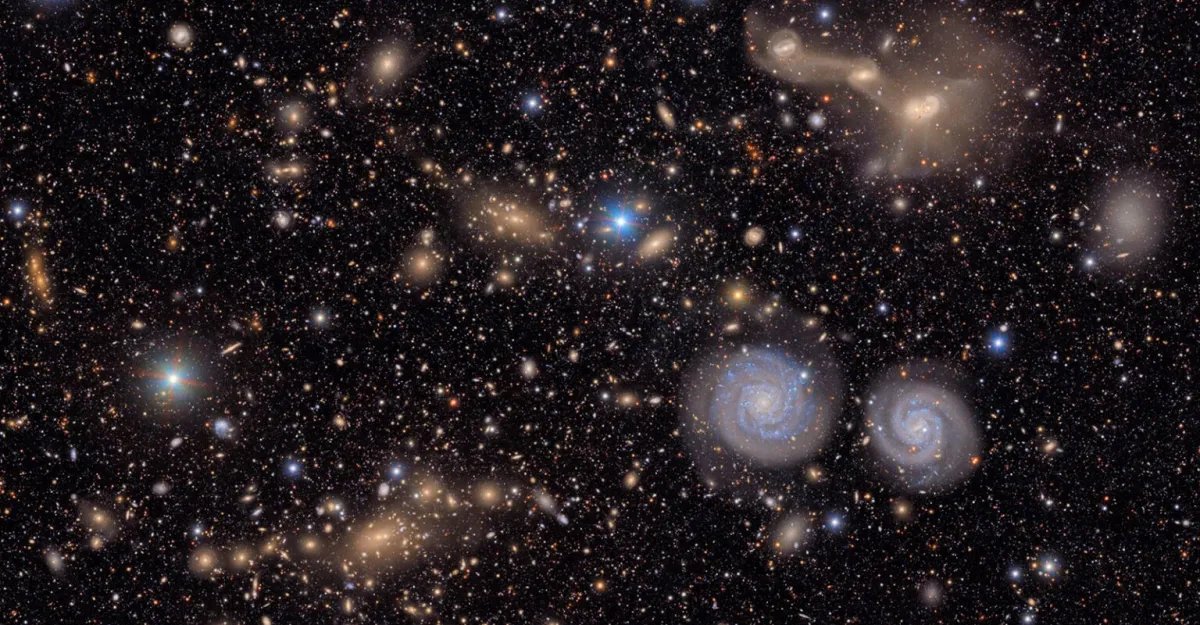
The Vera C. Rubin Observatory’s automated alert system is online and already bombarding astronomers with things to look at in the night sky. The system went live publicly on Tuesday, February 24th, and on the first night dropped some 800,000 alerts about asteroids, supernovas, and feasting black holes. And that number is only expected to climb to the multiple millions per night.
The observatory released the first images taken with its car-sized Legacy Survey of Space and Time (LSST) camera in June of last year. But researchers and stargazers have been eagerly anticipating the launch of this system. Every night, the camera captures about 1,000 images and then compares those against a reference image taken when the telescope first went online. Differences are automatically flagged, and an algorithm can distinguish between potential supernovas and approaching asteroids to send alerts to interested parties, all in just a matter of minutes. This means scientists can quickly turn their attention to fleeting celestial events.
Thankfully, the alerts aren’t all-or-nothing. They can be filtered by event type, brightness, or even the number of events within a given time period. That should help keep researchers from becoming overwhelmed by alerts as the Rubin Observatory ramps up the rate of discoveries.