dailynewsnblog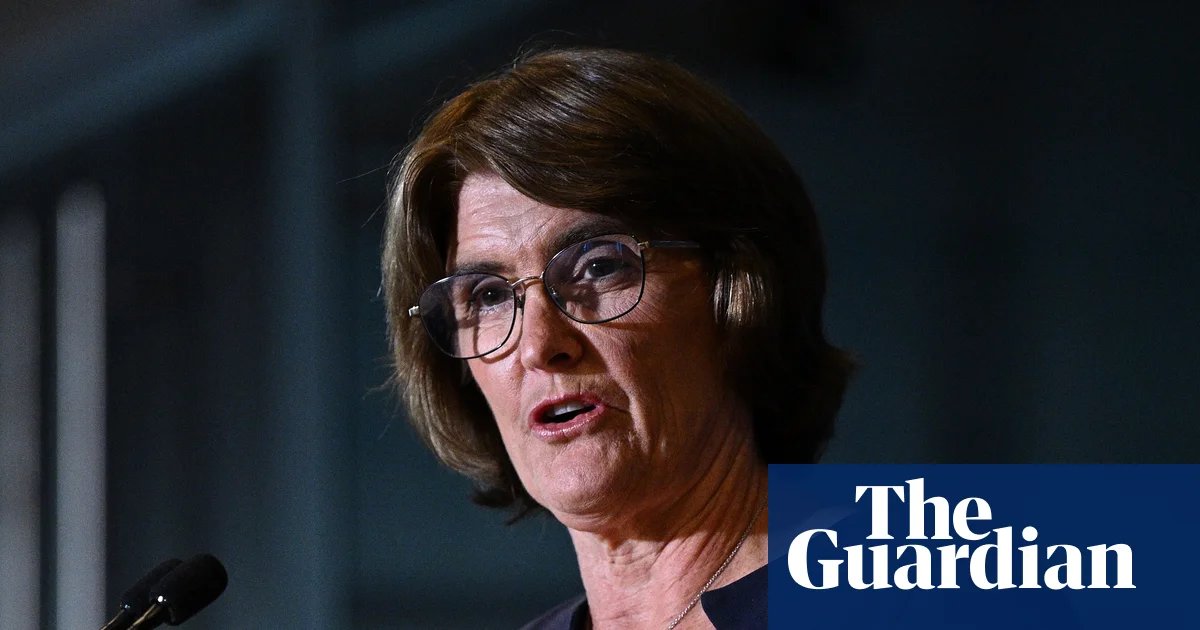
The Reserve Bank has made some controversial calls over recent years, but hiking interest rates in the middle of a historic global energy shock is right up there.
If this Middle East conflict lasts for months, not weeks, and drags the world and our economy down, then Tuesday’s decision to increase households’ borrowing costs will not age well.
A large minority of the nine-member rate-setting board would have preferred to wait and see how the war developed over coming weeks before delivering what they still thought was likely to be a hike at the next meeting in May.
But they were overruled.
“We had a very robust conversation over the past two days about whether we should hold until May,” the Reserve Bank governor, Michele Bullock, told reporters at her post-meeting press conference.
“The issue wasn’t the direction, the issue was really the timing,” she said.
The dissenting members “put more weight on the uncertainty and wanting a little bit more information”.
The fact that the vote was split – five in favour of a hike and four in favour of a hold – suggests that the decision was as controversial inside the board room as it will be outside on the streets, although Bullock played down any internal division.
“Reasonable people can differ,” she said.
Bullock argued the overwhelming risk from higher petrol prices was that, without a quick response from the central bank, they would accelerate a broadening inflationary pulse and make it even harder to bring price rises under control.
The context is inflation is already elevated at 3.8%, which is way above the central bank’s target of 2.5%.
“High inflation hurts absolutely everyone, and so that is why we need to focus on that,” she said.
But there still seems to be an extraordinary level of complacency about the potential fallout from the US-Israel war on Iran.
While Bullock was talking up the undeniable inflation risks, she flagged that the country’s best and brightest economic minds had not turned their mind seriously to what would happen if we got to May or June and the Middle East conflict had not died down.
“We’ve done some modelling on just very first-round pass-throughs of petrol price rises to inflation, but we haven’t done any modelling on potential impacts if the war goes on,” she said.
“So that’s something obviously we’re looking at – I think Treasury is looking at [it] as well – but we haven’t done anything on that yet.”
In truth, responding to energy shocks with interest rate policy is devilishly difficult, because the shocks simultaneously hurt growth and add to inflation – a stagflationary effect.
Westpac economists, for example, estimate that were the strait of Hormuz to stay closed for three months, it would slash 0.5% off Australia’s economic growth while leaving inflation 1.3 percentage points higher.
For now, Bullock says the board is focused on the inflationary risks, and economists still see a third straight rate hike in May.
But, as ever, the governor is ready to change her mind.
“There could be some really bad outcomes for the world economy if the current conflict gets worse. So those are the sorts of things we’re going to have to consider,” she said.
“And if circumstances change, and if it does look like the world economy is in big trouble, then that will have different implications for inflation, and we will be looking very hard at what we need to do in those circumstances.
“That’s all by way of saying that the board is going to be monitoring this stuff very closely. And if we have to change tack, we will.”