dailynewsnblog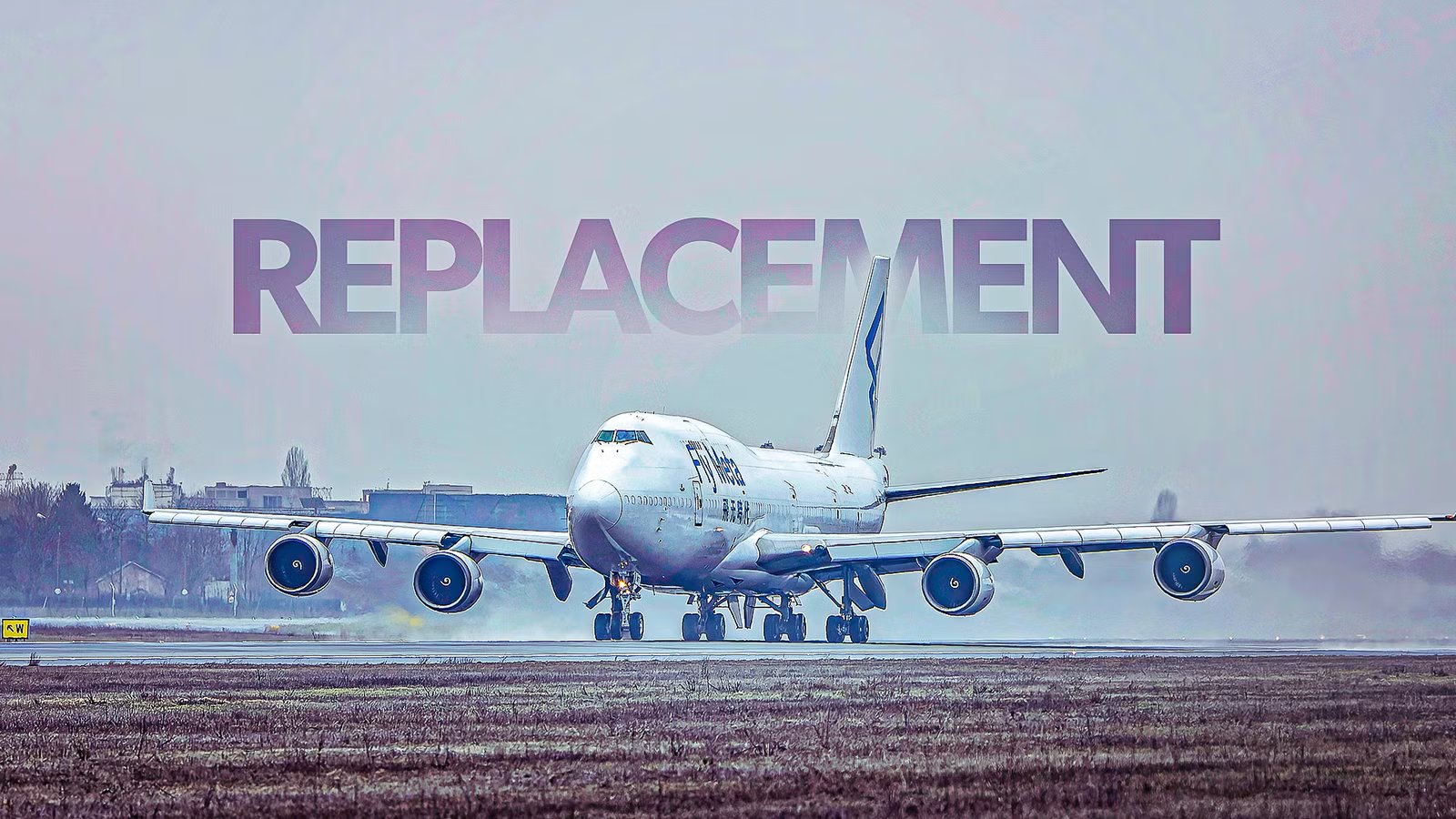
Replacing the Boeing 747 has proven far more difficult than the aviation industry expected, largely because no single modern aircraft can match its combination of 400+ passenger capacity, more than 120 tonnes of cargo payload, nose-loading capability, and long-haul range exceeding 7,000 nautical miles (12,943 kilometers). The aircraft has not been replaced by one airplane, but instead by multiple aircraft types, including the Boeing 787, Airbus A350, and Boeing 777 family, depending on the role. What looked like a simple generational replacement has instead become a structural shift in how airlines and cargo operators use aircraft.
This matters particularly in the United States, where cargo operators and airlines such as Atlas Air,  UPS Airlines, and major international carriers still rely heavily on 747 freighters for heavy cargo and high-volume routes. The aircraft officially ended production in 2023, yet dozens remain in service because replacing its capabilities has proven technically, economically, and operationally complex. The story of the 747’s replacement is therefore not really about a new airplane taking its place, but about how aviation itself has changed over the last three decades. To understand why the aircraft is so difficult to replace, it is necessary to look at several factors, based on fleet data, manufacturer specifications, and cargo operator reports. When viewed together, these factors explain why the Boeing 747 still occupies a unique role in aviation even after production ended.
No Single Aircraft Can Do Everything The 747 Did

The biggest problem with replacing the Boeing 747 is simple: no single aircraft can do everything the 747 did. The aircraft was designed during the era when airlines operated large hub-and-spoke networks, transporting massive numbers of passengers between major global hubs such as London, New York, Tokyo, and Los Angeles. With typical seating ranging from around 366 to over 400 passengers, depending on configuration, the aircraft allowed airlines to move very large passenger volumes efficiently on long-haul routes while also carrying significant cargo on the lower deck.
Modern aviation has moved in a different direction. Airlines now prefer smaller, more efficient aircraft that can fly directly between cities rather than routing passengers through major hubs. This shift toward point-to-point travel was made possible by aircraft like the Boeing 787 and Airbus A350, which can fly long distances economically with fewer passengers. Instead of filling one massive aircraft, airlines can operate multiple smaller flights with better frequency, more flexible scheduling, and lower financial risk if flights are not full.
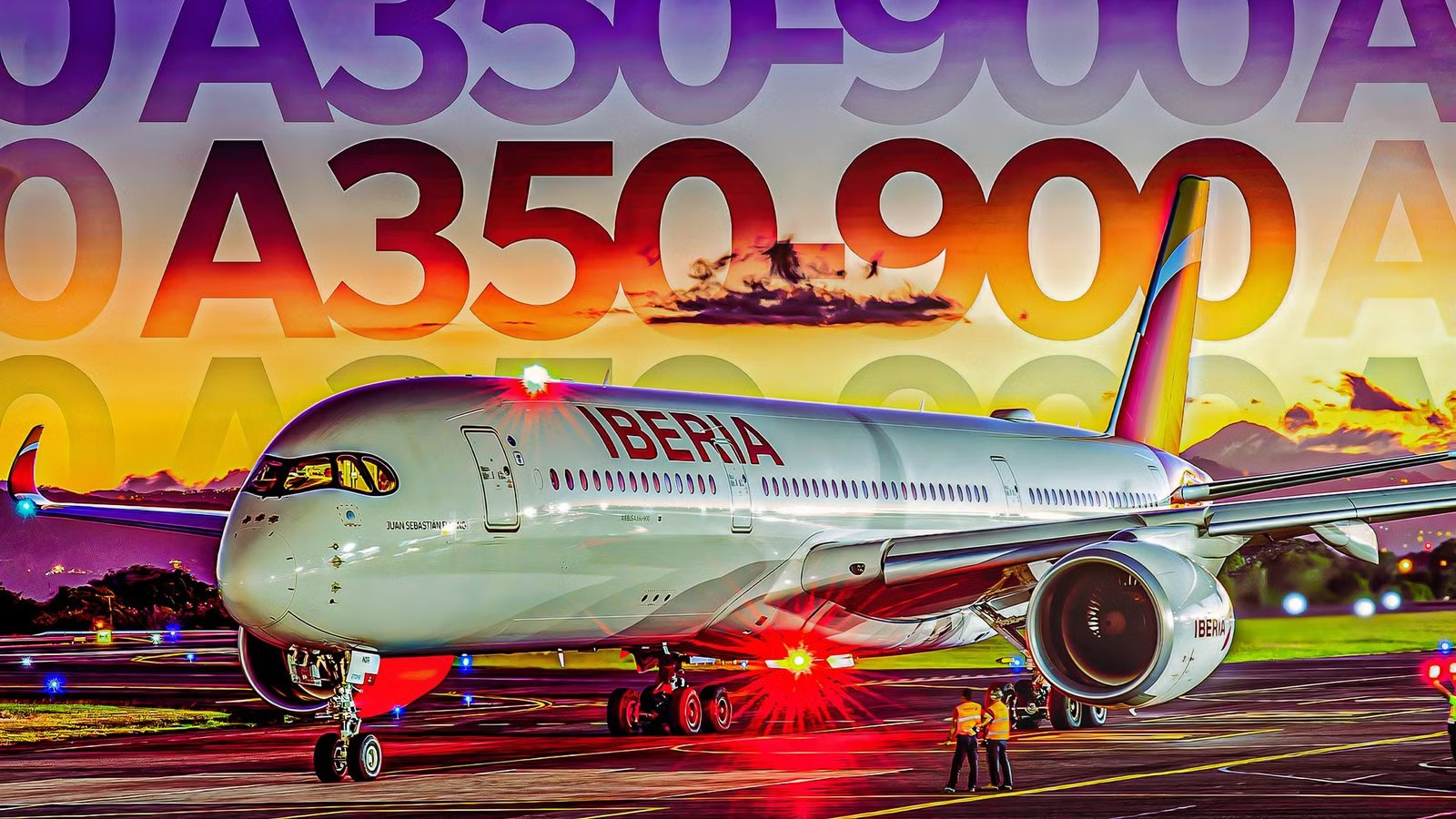
As a result, the role once performed by the 747 has been split across several aircraft. The Boeing 787 handles long-haul routes with lower demand, the Airbus A350 handles efficient high-capacity long-haul routes, and the Boeing 777 family planes are used on routes where passenger capacity remains critical. But this fragmentation creates complexity for airlines. Where one aircraft type once covered many routes and roles, airlines now operate multiple aircraft types, increasing training requirements, maintenance complexity, spare parts inventories, and fleet planning challenges. In other words, rather than a single aircraft, the Boeing 747 replacement is an entire generation of aircraft working together.
The Nose-Loading Door Is Genuinely Irreplaceable

One of the prominent features of the Boeing 747 is its nose-loading cargo door, but an important clarification is that not all 747 aircraft have this feature. Only factory-built freighter variants such as the Boeing 747-400F and Boeing 747-8F were designed with the upward-hinged nose door. Many converted freighters based on former passenger aircraft do not have this feature and instead rely only on large side cargo doors. Installing a nose door on a converted aircraft would require major structural redesign of the forward fuselage and cockpit structure, making it extremely expensive and impractical.
Where the nose door does exist, however, it provides capabilities that are extremely difficult to replace. The nose opening allows cargo up to roughly 185 feet (56 meters) long to be loaded straight into the aircraft without needing to bend around a side cargo door frame, and it can accommodate pallets up to 12.5 feet (3.8 meters) wide, which is wider than many other freighters. This makes the aircraft particularly valuable for transporting aircraft wings, industrial turbines, large vehicles, and heavy machinery that simply cannot fit through conventional cargo doors.
Modern freighters such as the Boeing 777F are extremely efficient and widely used, but they cannot nose-load cargo, which limits the type of freight they can carry. This means that even as newer freighters enter service, the 747 remains essential for certain specialized cargo missions. In many cases, demand for nose-loading aircraft still exceeds supply, particularly for industrial and aerospace cargo transport. This single design feature alone is one of the biggest reasons the aircraft has not been fully replaced in the cargo world.

The Aircraft Replacing The Boeing 747 Freighter
When the Boeing 747 freighter era ends, discover how Boeing’s 777s and Airbus’ A350F will redefine the future of global air cargo.
Four Engines vs Two: A Real Operational Difference

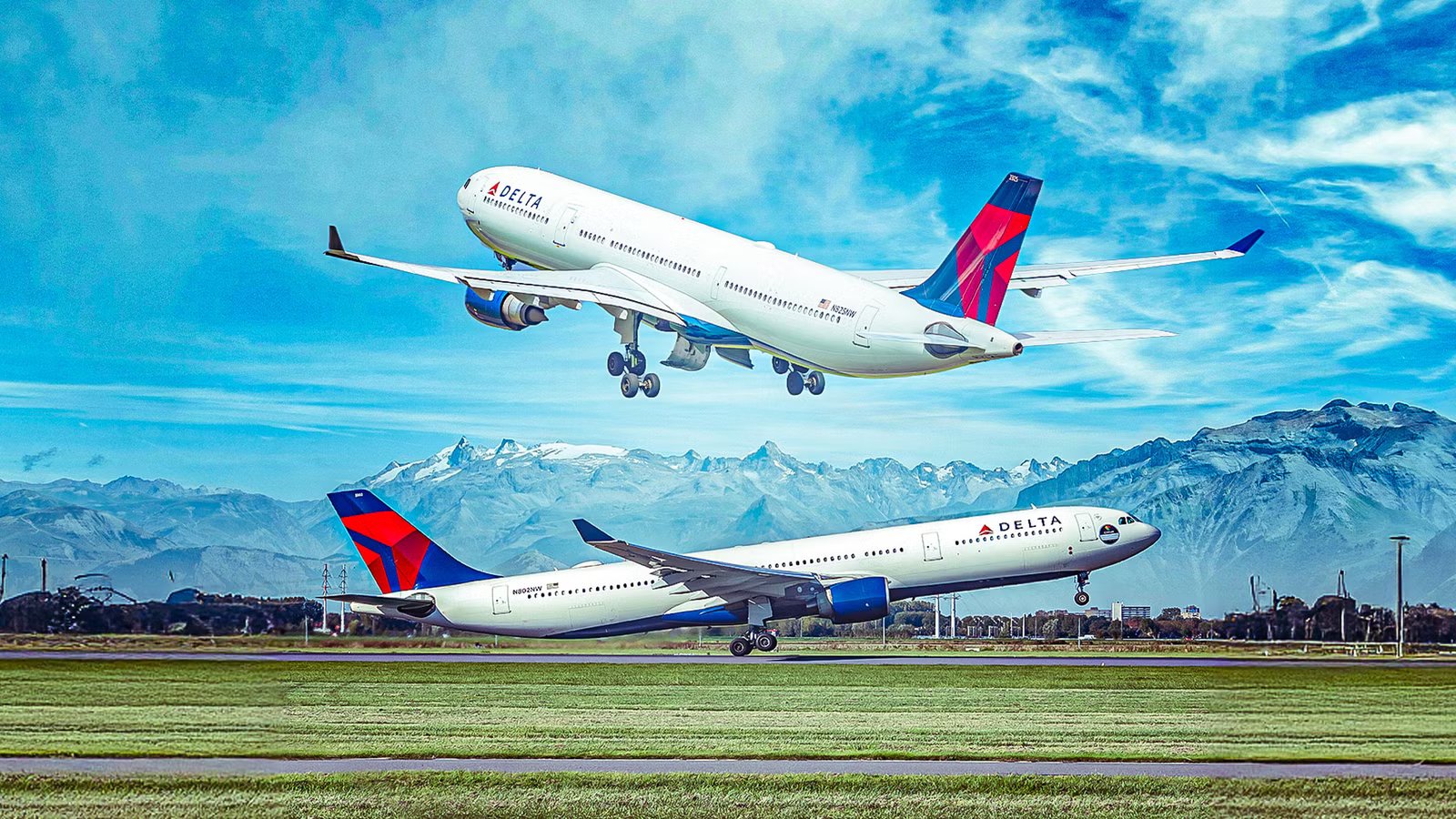
The shift from four-engine aircraft like the Boeing 747 to twin-engine aircraft such as the Boeing 777 and Airbus A350 was primarily driven by fuel efficiency and maintenance cost, thanks to improvements in engine reliability and ETOPS regulations. However, from a technical and operational standpoint, the difference between two and four engines is significant, particularly in heavy cargo operations and high-weight takeoffs.
A Boeing 747-400 typically uses engines producing around 60,000 pounds of thrust each, giving the aircraft a total thrust of roughly 240,000 to 250,000 pounds. By comparison, a Boeing 777-300ER uses two GE90 engines producing approximately 115,000 pounds of thrust each, for a total thrust of about 230,000 pounds. Despite having twice as many engines, the 747 only has slightly more total thrust, but the operational differences appear in engine-out scenarios and heavy-weight operations.
On a four-engine aircraft, losing one engine means losing only 25% of total thrust, whereas on a twin-engine aircraft, losing one engine means losing 50% of available thrust. This has implications for takeoff performance, particularly at high-altitude airports, hot-weather airports, or when operating at maximum takeoff weight.
The Boeing 747-400 also has a significantly higher maximum takeoff weight (MTOW) of around 396,900 kg, compared to roughly 351,000 kg for the 777-300ER. That higher MTOW allows the aircraft to carry heavier payloads, particularly in cargo operations. From a cargo perspective, this matters because payload is often more important than fuel efficiency. A 747 freighter can carry over 110–130 tonnes of cargo, depending on the variant, which remains extremely competitive even compared to modern twin-engine freighters.
So while twin-engine aircraft are more efficient and cheaper to operate on a per-seat or per-flight basis, four-engine aircraft like the 747 still offer advantages in maximum payload, engine-out performance, and heavyweight takeoff capability. This is one of the reasons why four-engine aircraft disappeared from passenger airlines but continue to survive in heavy cargo operations, where raw lifting capability still matters more than fuel burn alone.
The Replacement Aircraft Aren’t Actually Ready Yet

Wikimedia Commons
Another major issue is that some of the aircraft intended to replace the Boeing 747 are either delayed or not fully in service yet. The Boeing 777X, which is widely seen as the closest passenger successor to the 747 in terms of capacity, has experienced years of delays and certification issues. Airlines that planned to replace their 747 fleets with the 777X have had to wait far longer than expected.
At the same time, the Airbus A350 Freighter is still in development, meaning cargo operators do not yet have a true next-generation replacement for the 747 freighter. This has extended the operational life of many 747 aircraft far beyond what airlines originally planned.
These delays highlight how complex modern aircraft programs have become. Certification requirements are stricter than in the past, supply chains are more fragile, and development costs are enormous. Aircraft manufacturers now face far greater regulatory scrutiny and engineering complexity than during the era when the 747 was developed. Even modifying existing aircraft for specialized roles has proven extremely expensive and technically complex, demonstrating that replacing the 747 involves enormous industrial, regulatory, and financial challenges.

Why 4 Engine Aircraft Could Go Back Into Production
Are quadjets coming back?
Infrastructure Around The 747 Is Hard To Replace

Another often underestimated barrier to replacing the Boeing 747 is the global infrastructure built specifically around it over the past five decades. Unlike newer aircraft that were designed to fit into existing airport infrastructure, the 747 effectively defined large-aircraft extra standards. As a result, a significant portion of the world’s long-haul and cargo handling facilities were engineered with the 747’s dimensions, loading geometry, and operational requirements in mind.
For example, the 747’s main deck cargo height of approximately 18 feet (5.5 meters) drove the design of high-loader vehicles used at major cargo hubs. These loaders are specifically calibrated to align with the aircraft’s main deck cargo door height, particularly for freighter variants. Similarly, its wingspan and tail height influenced taxiway separation standards, hangar clearances, and gate layouts at major international airports. In many cases, hangars capable of accommodating a 747 cannot be easily downsized or repurposed without significant structural modification.
The issue becomes even more complex in cargo operations. Facilities handling 747 freighters are often equipped for main-deck palletized loading, including nose-loading workflows that require clear ramp space in front of the aircraft. This is not just about the aircraft itself, but the choreography of ground operations, from cargo staging areas to loader positioning and ramp access. Aircraft like the Boeing 777F, which rely solely on side cargo doors, require different loading patterns and sometimes cannot fully utilize infrastructure optimized for nose-loading operations.
There is also a network effect at play. Major global cargo hubs, including those in the United States, Europe, and Asia, were designed around high-volume flows enabled by the 747. These hubs rely on the aircraft’s ability to move large quantities of freight in a single movement, which influences everything from warehouse layout to scheduling banks of arrivals and departures. Transitioning to smaller aircraft can require not just equipment changes, but a complete redesign of throughput models and staffing.
From a financial perspective, this creates a significant inertia problem. Replacing a 747 can trigger multi-million-dollar infrastructure upgrades across multiple airports, including new loading equipment, modified stands, and changes to maintenance facilities. For operators with established 747-based logistics networks, especially in the cargo sector, these costs can outweigh the efficiency gains of newer aircraft. This is why, even as more efficient twin-engine freighters enter service, many operators continue to retain the 747.
The Economics Of Keeping Old 747s Flying Are Surprisingly Good

One of the most surprising reasons the 747 is still flying is economics. While the aircraft burns more fuel than modern twins, many 747 freighters are fully paid off and can be purchased relatively cheaply on the secondary market. This makes them attractive for cargo operators who need large capacity but cannot justify the cost of brand-new aircraft.
During periods of high cargo demand, such as the e-commerce boom during the pandemic and global shipping disruptions, having extra cargo capacity available is extremely valuable. In these situations, the higher fuel burn becomes less important than simply having aircraft available to move freight. The economics, therefore, work differently for cargo operators than for passenger airlines. Passenger airlines focus heavily on fuel efficiency and operating cost per seat, while cargo operators often focus on payload capacity, flexibility, and acquisition cost. In that environment, the 747 can still make financial sense even decades after it was built.
Ultimately, the Boeing 747 is difficult to replace because it occupies a unique combination of roles that no single modern aircraft replicates. It serves as a high-capacity passenger aircraft, an outsized cargo carrier, a nose-loading freighter, a heavy military transport platform, and a special-mission aircraft. Modern aviation has replaced each of these roles separately, but not with a single aircraft.
This is why the 747’s passenger role disappeared relatively quickly, while its cargo role has proven much harder to replace. Twin-engine aircraft effectively ended the era of four-engine passenger jets, but in the cargo world, the 747 remains one of the most capable aircraft ever built. The aircraft may no longer dominate passenger travel, but in global cargo logistics and specialized transport, it still has no true replacement.