dailynewsnblog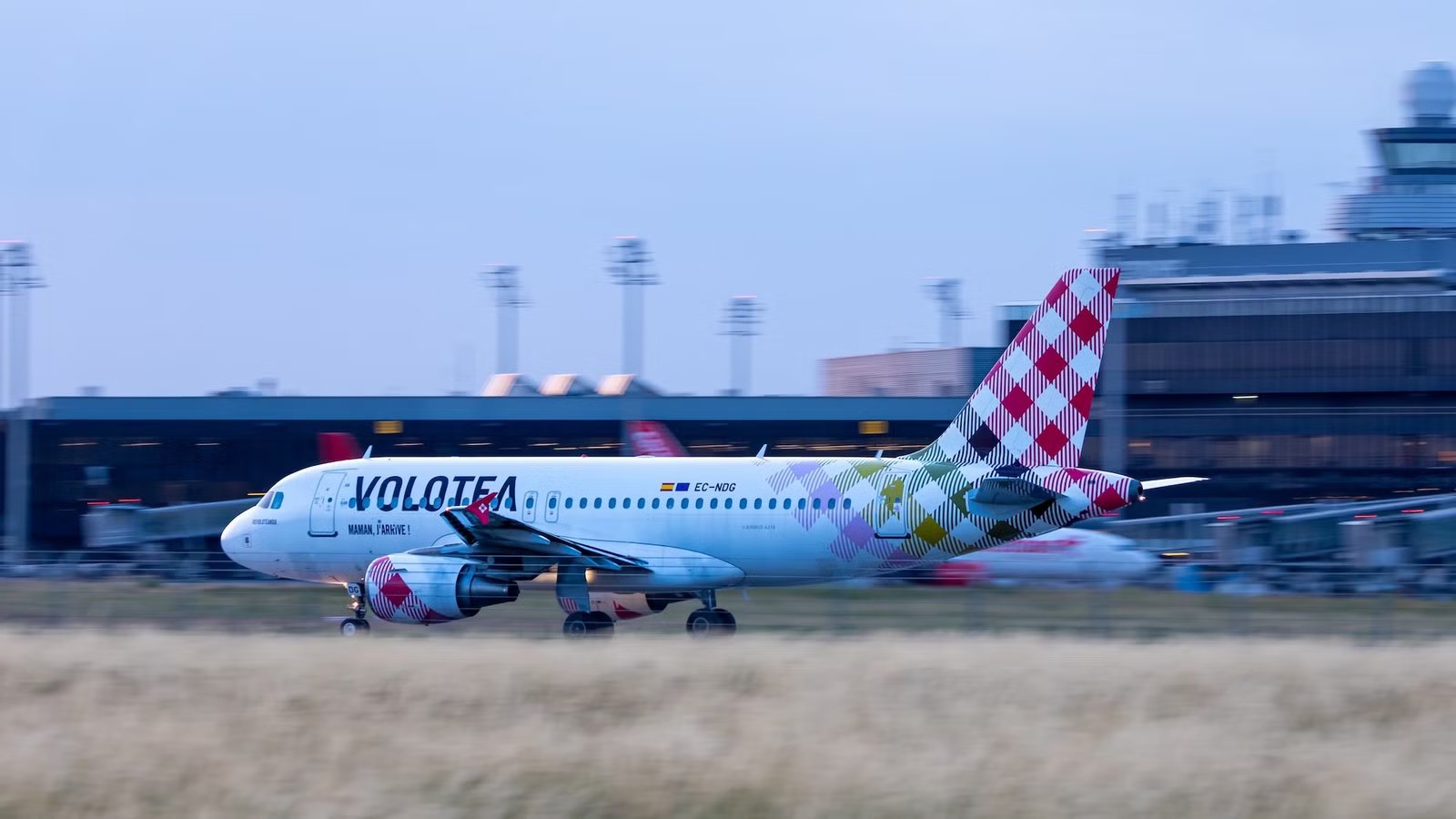
Spanish budget airline Volotea is facing backlash after the carrier reportedly asked passengers to pay a very small fuel surcharge on tickets that had already been purchased, turning what should have been a settled fare directly into a point of dispute with passengers. The added charge appears modest, at around just $8 to $11 per passenger, but the issue is far bigger than that amount itself. This highlights yet another way in which the situation in the Middle East is having an impact on individual travelers.
By ultimately relying on a booking clause that allows temporary adjustments during extraordinary fuel-cost shocks, the airline has opened a wider debate over pricing transparency, consumer rights, and whether post-purchase fare changes could become a more common feature of air travel during volatile situations in the energy market.
How Exactly Did It All Go Down?

The low-cost carrier that is at the center of this dispute is reportedly Volotea, a carrier that has emailed some passengers after purchase to demand a small fuel surcharge on tickets that had already been paid in full. Discussions online have sparked extensive debate, with some arguing that airlines should not have the right to issue these post-facto charges. The added charge in this case was $8.21, while other reported cases have indicated that they have risen as high as $10.55 per passenger.
Volotea is relying on a clause in its conditions of carriage that allows a limited, temporary fare adjustment before departure when extraordinary fuel-price swings affect international energy markets, and the policy also says adjustments can move downward as well as upward. What makes this especially notable is that the surcharge is being applied after booking, meaning that a supposedly final ticket price is no longer fully final at purchase. This is certainly a concern for budget-conscious travelers.
Why Is Volotea Doing This?

There are relatively few airlines that would try something like this, even if they did have the regulatory ability to do so. This kind of move is extremely unpopular with customers of all kinds. It also damages an airline’s reputation with investors, who are concerned by the carrier’s need to generate revenue in this way. The airline, however, appears to be doing this for one reason directly. Fuel has suddenly become much more expensive, and it wants to pass a slice of that extra cost onto passengers instead of absorbing it entirely.
Volotea’s reported position is that this is allowed under its “Fair Price Promise,” which says that seven days before departure, it can review fuel prices. If the airline deems it necessary to do so, it can adjust the ticket by up to about $10 per passenger per flight. The airline also says the mechanism can work in reverse, with customers refunded if fuel prices fall.
In overall practical terms, this is a margin-protection move. Fuel is one of the highest and most volatile costs for any airline, and analysts from Reuters have indicated that carriers around the world are already hiking fares and surcharges as oil and jet-fuel prices continue to jump. For a low-cost airline, even a small rise in fuel can make thinly priced tickets much less profitable.

Delta One “Basic”: It’s the Same Seat With Fewer Perks
As more and more airlines move unbundling further up the cabin, the carrier adds to this growing list.
What Is Our Bottom Line?

The ultimate bottom line here is that Volotea may have found a contractual way to do this, but that does not make the maneuver any less controversial. The reported surcharge is very small, ranging from $8 to $11 per passenger, and the airline states that its “Fair Price Promise” allows for these limited and temporary adjustments when fuel costs fluctuate sharply before departure.
On paper, that ultimately gives the carrier a legal argument. In practice, it cuts against one of the most basic expectations in commercial air travel. Once a ticket is bought and paid for, the price itself is settled. That is ultimately why this story is a bit more complicated than just the money that is involved.
Even a very small post-purchase charge significantly risks damaging trust, especially in the low-cost market. This is a place where passengers are already used to strict fees and extremely complex fare rules. The bigger question here is not whether Volotea can do this, but whether other airlines might decide they can do so as well.