dailynewsnblog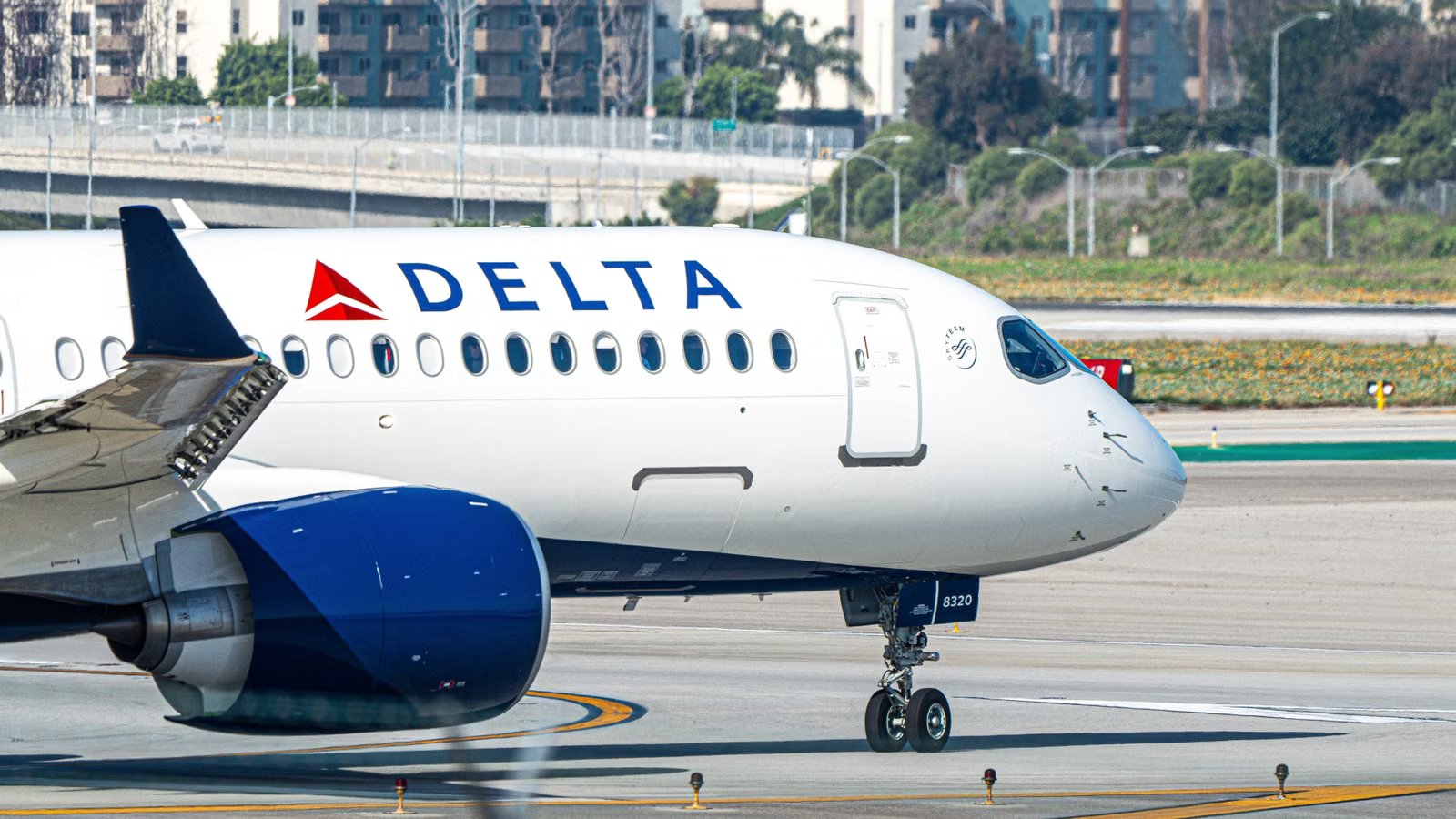
The Airbus A220 is currently preparing for a major upgrade, although the manufacturer is falling short of launching a new variant altogether. This year, new Airbus A220 deliveries will be outfitted with the manufacturer’s Airspace interior, aligning the A220 with the interior feel of the A350, A330neo, and A320neo. Highlights include new upgraded extra-large overhead lockers, which will be around 20% lighter while offering more than 15% additional baggage capacity.
These aircraft will also feature 16-million-color LED lighting, allowing airlines to tailor their brand or flight phases. Airbus also plans on offering this unique interior as a retrofit option for existing Airbus A220 customers. Meanwhile, starting in 2027, a higher-density Airbus A220-300, one that features a 160-seat layout, will be offered, which provides operators with additional revenue and unit-cost gains without introducing a larger model to any given route.
However, the much-discussed Airbus A220-500 variant remains unannounced, and it does not look like Airbus has any plans to make any quick moves there as well. The manufacturer has looked to continue improving the profitability of the Airbus A220 family while also improving production rates, offering even more flexibility for operators. Let’s analyze all the upcoming changes to the Airbus A220 family.
A Brief Overview Of The Airbus A220 Family

To contextualize the upcoming upgrades to this extremely popular aircraft program, it is important to begin by breaking down the Airbus A220’s origins and discussing the aircraft’s industrial footprint. The Airbus A220 began its life as a member of the Bombardier CSeries, a five-abreast narrowbody jet which was launched on July 13, 2008, with the intent of bridging the gap between regional jets and larger single-aisle aircraft.
It was first introduced to the market as the CS100, and it first took to the skies on September 16, 2013, before being certified by Transport Canada on December 18, 2015. The jet entered service with SWISS on July 15, 2016. The Bombardier CS300, which flew on February 27, 2015, would be certified on July 11, 2016, and it entered service on December 14 of that year with launch customer airBaltic.
In July 2018, after Airbus took a majority stake in the company, it was quickly rebranded as the Airbus A220 and later organized as Airbus Canada Limited Partnership in June 2019. The aircraft program was now fully in the hands of manufacturing giant Airbus. The manufacturer’s industrial capacity was expanded beyond Mirabel, Quebec, with a second final assembly line opened in Mobile, Alabama, in August 2019.
This allowed the manufacturer to avoid hefty import duties from US regulators. The manufacturer’s ownership stake was increased to 75% in February 2020, with Bombardier electing to exit the program. The Airbus A220 remains the only commercial program managed by the manufacturer entirely outside of Europe. After entering service, the aircraft quickly established itself as offering strong dispatch reliability and improved passenger satisfaction over other models.
Design & Market Performance

The Airbus A220 is powered by Pratt & Whitney PW1500G geared turbofan engines, and the aircraft offers a carbon-composite lightweight wing and an aluminum-lithium fuselage. Fly-by-wire controls and refined aerodynamics help deliver long legs and low-cost operations. Family weights range from 63 to 71 tonnes (139,000-156,000 lbs) of maximum takeoff weight (MTOW).
The aircraft family offers a range of 6,390-6,670 km (3,450-3,600 nautical miles), making it capable of serving almost all transcontinental niches in the United States and even longer-range lower-gauge routes within Europe. The 35 m (115 ft) Airbus A220-100 seats around 108-133 passengers, while the longer A220-300 seats a larger 130-160 passengers, depending on the specific configuration.
|
Category |
Airbus A220-100 Specifications |
Airbus A220-300 Specifications |
|---|---|---|
|
Capacity |
108-133 |
130-160 |
|
Maximum takeoff weight |
63 tonnes (139,000 lbs) |
71 tonnes (156,000 lbs) |
Airbus also launched the ACJ TwoTwenty business-jet variant, which was launched in late 2020. Delta remains the largest customer for the aircraft, and, globally, more than 900 Airbus A220s have been ordered, with almost 500 delivered to date.
Globally, the fleet has surpassed 1.5 million flights and 2.7 million block hours, with the aircraft carrying more than 100 million passengers. The aircraft has also managed to maintain an exceptional safety reputation, with only one non-fatal smoke-related accident showing up on its rap sheet. It mainly competes with the Embraer E-Jet E2 family, holding a 55% share in this small-airliner niche, demonstrating the success and competitive value this program offers.

Will Airbus Build The A220-500?
Airbus already operates several variants in its A220 series.
Why Upgrade The Aircraft Now?

The A220 has slowly matured from being a promising upstart in the industry to becoming a core single-aisle workhorse for most carriers, especially with airlines wanting more revenue, lower unit costs, and a cabin that matches the rest of the manufacturer’s portfolio. The five-abreast Airbus A220 already offers exceptional passenger comfort and impressive fuel burn, but bin space, lighting, and brand cohesion lag the newest Airbus models. Bringing the Airspace cabin to the aircraft helps close this gap.
Airlines today are extremely focused on premium and brand perception, and improving interiors is a key element of this overall strategy. From a commercial perspective, airlines need a low-risk way to add seats without adding a new aircraft type. The 160-seat Airbus A220-300 adds about ten more seats while providing more attractive costs per available seat mile, which ultimately proved useful for capacity-constrained layouts where upgauging to an A320neo would negatively impact profitability.
From a strategic perspective, Airbus needs to widen the A220’s overall addressable market and strengthen the plane’s business case before choosing to green-light a stretch to the Airbus A220-500. After all, the manufacturer wants to continue improving cabin appeal for legacy operators first.
How Exactly Is Airbus Upgrading This Model?

Throughout this retrofitting and upgrade process, Airbus is mainly looking to pull two key levers. This year, new Airbus A220 deliveries will adopt the new Airbus Airspace cabin, a similar design that has been seen on Airbus A350, Airbus A330neo, and Airbus A320neo jets. Headlines are quick to discuss the 16-million-color LED lighting, which brand-matches the ambiance and circadian cues across different flight phases.
However, the Airspace kit also standardizes modern trim, surfaces, and touchpoints so that the aircraft will resemble any other Airbus model as closely as possible. Airbus is also quick to point out that it will be offering flexibility to operators, specifically when it comes to high-density Airbus A220-300 models. This ensures that its upgrades are not only providing optionality to future customers, but also letting existing operators improve their fleets.
The idea of stretching to the Airbus A220-500 also brings a lot to the table, as this model would upgauge the family and could potentially fill a capacity gap (albeit a small one) that exists in the Airbus commercial lineup. These upgrades are an extremely low-risk way to improve its product offering quickly.

How Does The Airbus A220 Compare To The Embraer E2 For Regional Airlines?
Do Airbus or Embraer’s narrow-bodied airlines dominate the short-haul and regional market?
What Are The Financial Implications Of This Upgrade?

From a financial perspective, the A220 upgrades represent a relatively low-risk lever being pulled by Airbus. For operators, these upgraded cabins will lift premium appeal, especially when it comes to corporate travelers who are interested in flying more modern aircraft. This will also result in more loyalty captured across the board.
Larger overhead bins are beneficial for operators, as they enable them to have lower gate-check-related costs and faster aircraft turns. Higher-capacity A220 variants can lower unit costs by spreading overall expenses out over more seats and adding capacity at slot-constrained airports and during peak leisure travel seasons.
Investing in these upgrades comes with low risks as aircraft downtimes are relatively low. This refresh supports overall pricing and will hopefully accelerate Airbus’ order momentum: Delta, for example, is in the process of replacing its aging Boeing 717 fleet with advanced Airbus A220 models. This will improve learning-curve economics all along the way, ultimately pushing the program toward profitability before the A220-500 stretch.

Continuing To Build On A Clean Sheet Design: Improvements Coming To A220 Family
Airbus is investing in the A220 to make it even more competitive. Here’s what’s new and what’s coming in the future for the smallest Airbus.
What Does All Of This Mean For Passengers?

At the end of the day, all of this means relatively little for passengers. The upgraded A220 cabins will likely provide a marginally more comfortable passenger experience, thanks to the cabin lighting being a little nicer, and it is also less likely with these new cabins that passengers will have to place their bags far away from where they currently are.
In the grand scheme of things, these are very marginal changes likely to have a small impact on your experience as a traveler. On the other hand, the higher-capacity variants of the aircraft will likely result in less available room per passenger, reducing comfort across the board. It will certainly be interesting to see if the high-capacity variant coming in 2027 will pave the way for a stretched A220-500.