dailynewsnblog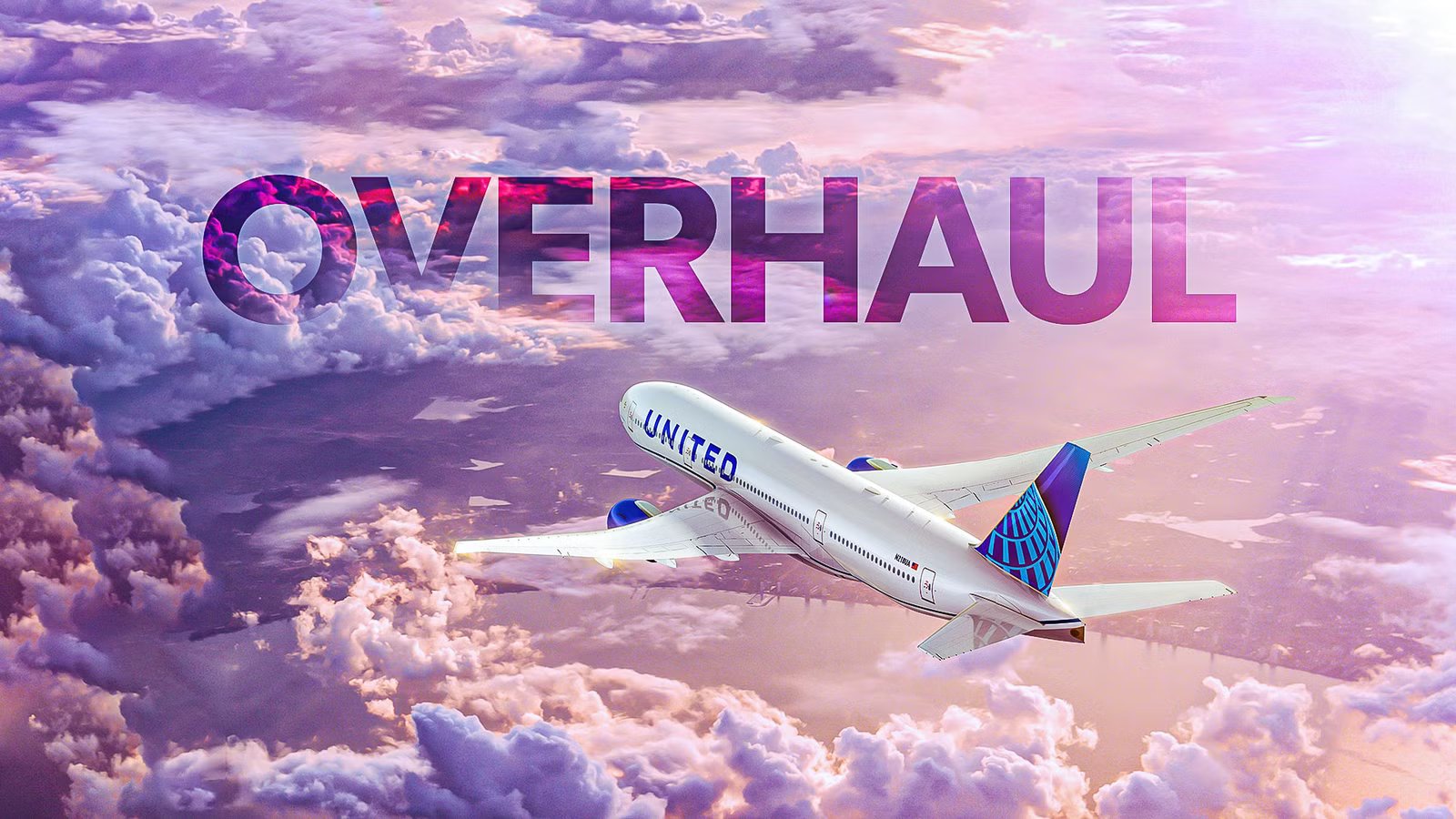
With the April 2026 overhaul of the MileagePlus program,  United Airlines has split its frequent flyer base into two distinct classes, a fundamental restructuring of the loyalty contract that favors those who carry United-branded plastic in their wallets. What does this new hierarchy actually mean, and exactly how much is a seat worth based on the card in your pocket?
For the average traveler, these changes represent the most significant earning cliff in the history of the program. Taking away basic rewards from those without a co-branded card and offering tiered redemption discounts to those with them, United loyalty is now measured by wallet share, not just seat share. With this, the ultimate goal is to turn every passenger into a Chase banking customer, ensuring a steady stream of high-margin revenue that remains independent of fuel prices or global politics.
Who Is More Loyal?

Such a radical concept does not happen overnight; according to Chief Commercial Officer Andrew Nocella, the carrier spent roughly 18 months refining this strategy. The core philosophy is a shift away from the traditional frequent flyer model toward a frequent spender ecosystem. The understanding on United’s side is that the most profitable customers are not necessarily those who fly the most miles, but those who engage most deeply with the airline’s financial partners. In short, the long-term value of a credit card holder is greater than the transactional value of a single ticket purchase.
Under this new regime, United is rewarding its most loyal customers by redefining what loyalty actually means. For United, a traveler who spends $10,000 on a co-branded card annually is more valuable than a traveler who flies ten times a year but pays with a generic travel card. This allows United to capture a larger percentage of a passenger’s total travel spend, from the morning coffee at the airport to the hotel booking at the destination. It is a cynical but effective way to protect the airline from the volatility of the travel market by leaning on the stability of the financial sector.
The implications for the  Star Alliance network are profound, particularly for those flying into partner hubs. Partner airlines still very much respect the basic tenets of MileagePlus, but the local United wallet share rules create a divergence in how rewards are calculated on a global scale. If you are flying a long-haul leg on All Nippon Airways (ANA) but booked through United, your earning potential is now tethered to your credit score as much as your flight distance. A bold, technical realignment that moves the finish line for a free flight further away for those without a United card while clearing the path for those with the right plastic.
Changing The Reward Potential

For those who do not hold a United co-branded credit card, there is a drastic reduction in base earning rates. MileagePlus members typically earned five miles for every dollar spent on a ticket, something that was a given for all similar schemes. As of April 2026, that figure has plummeted to just three miles per dollar for non-cardholders. A 40% reduction that totally devalues the loyalty of the occasional traveler, making the path to a reward flight significantly longer for anyone not tethered to the United financial ecosystem.
The drop is steep, and the shield provided by the Chase-United partnership is designed to pull passengers in the opposite direction. Under the new structure, even a basic card member starts at an earning rate of six miles per dollar, creating an immediate two-fold advantage over not having a United-backed card. However, there is a technical barrier for those opting for the no-annual-fee gateway card. Unless that specific cardholder has cleared a $10,000 annual spend threshold, their earning power remains suppressed, proving that United is not just looking for cardholders, but actually looking for primary spenders who prioritize the airline in their daily lives.
|
Membership Tier |
Miles per $1 (No Card) |
Miles per $1 (With Card) |
Effective Advantage |
|
General Member |
3 miles |
6 miles |
100% Increase |
|
Premier Silver |
5 miles |
7 miles |
40% Increase |
|
Premier Gold |
6 miles |
8 miles |
33% Increase |
|
Premier Platinum |
7 miles |
9 miles |
28% Increase |
|
Premier 1K |
9 miles |
11 miles |
22% Increase |
Even a Premier Silver member, who has reached the first rung of elite status through actual travel, earns miles at a slower rate than a general member who simply holds a credit card. The loyalty program, at its very core, has been turned on its head; a simple credit application provides more velocity than ten short-haul flights. Refusing to open a new line of credit does not mean that business is not accepted, but the loyalty has been discounted to the point of being a secondary concern for the carrier.

When Did United Airlines Introduce Premium Plus?
With plenty already on offer, United Airlines decided to add a product with the aim of reinventing the perception of value.
Loyalty Discrimination?

Perhaps the most contentious update for this overhaul is the total elimination of mileage earning for basic economy fares, unless, of course, you hold a United credit card or have fought your way to elite status. United is following the lead of  Delta Air Lines and
  American Airlines, turning its cheapest seats into loyalty-free zones. Flying on United no longer counts toward future travel rewards, turning the MileagePlus program off for anyone sitting in the back of the plane on a discount.
The change is designed to push travelers out of the basic economy bucket and into higher-margin main cabin fares. The incentive is no longer the same, and so this strategy helps to ensure that there is a clear differentiation between what is possible with and without a card. Important to note, cardholders continue to earn miles even on these restricted fares. This creates a bizarre scenario where two passengers on the same flight, paying the same price, are treated as entirely different tiers of customers based solely on their relationship with a bank.
United has ultimately morphed into a financial services entity that happens to fly planes. The basic economy traveler is being told, quite literally, that their presence on the aircraft is not worth a single mile of recognition unless they are willing to engage with the airline’s broader financial ecosystem. While you still earn Premier Qualifying Points (PQP) toward status, a technicality that keeps the elite dream alive somewhat, you receive zero flight credits (PQF), making it nearly impossible to climb the status ladder on a budget.
In-Flight Subscription Service

United is making the advantage of holding a co-branded card more explicit by offering significant discounts on award redemptions. For the non-cardholder, a Saver award is no longer the baseline price and is now the sticker price that everyone else is getting a discount on. This creates a pay-to-win environment where the true value of your MileagePlus balance is gated behind an annual credit card fee.
Specifically, United is introducing a tiered discount system that rewards its most integrated customers with at least 10% off United-operated award flights for standard cardholders. For those who manage to balance both a Premier status and a United credit card, that discount climbs to at least 15%. In a market where award availability is already scarce, this discount acts as a secondary filter. Over the course of three or four international trips, the mileage gap between the two groups grows into enough for an entire extra domestic flight. Some elites are seeing improved access to the rarest Saver-level inventory in Polaris Business Class, but only if their accounts are linked to a qualifying Chase product.
|
Destination |
Standard Member (No Card) |
Cardmember (10% Off) |
Premier + Card (15% Off) |
|
New York to London |
40,000 Miles |
36,000 Miles |
34,000 Miles |
|
Chicago to Tokyo |
80,000 Miles |
72,000 Miles |
68,000 Miles |
|
Los Angeles to Sydney |
100,000 Miles |
90,000 Miles |
85,000 Miles |
|
Denver to Honolulu |
22,500 Miles |
20,250 Miles |
19,125 Miles |
Member-only pricing makes award prices significantly less predictable for the occasional traveler. Without the floor provided by these discounts, being cardless puts you at the mercy of dynamic pricing models that often target high-demand periods with aggressive mileage requirements. The dream of the free vacation is now effectively a subscription service, a concept of maintaining a financial relationship to ensure those miles have any real purchasing power when you finally decide to use them.

United Airlines Launches Debit Rewards Card
The carrier has also devised a launch offer to incentivize spending in members’ first few months.
The Reality For The United Loyalist

What happens to the loyalist who flies four or five times a year but refuses to open a United credit card is often a sobering realization that their membership is becoming functionally obsolete. Without an eligible credit card, the United Airlines frequent flyer program is almost useless for the casual traveler. This scenario is becoming increasingly common as the threshold for earning meaningful rewards shifts further out of reach for anyone sitting on the wrong side of the credit card divide.
High-tier elites who spend heavily on co-branded cards are seeing a boost in their benefits, such as PlusPoints being usable on a wider array of fare classes and improved access to saver-level awards in Polaris Business Class. The occasional flyer is left with the scraps, highlighting how wide the discrepancy truly is. Upgrades are becoming harder to reach because the system is now tilted toward those who generate revenue for United through banking fees, not just ticket prices.
From an aviation-specific perspective, this is a move to clear the upgrade clutter and prioritize the most profitable segments of the passenger base. Making it harder for the infrequent traveler to accumulate points or clear an upgrade, United is ensuring that its premium cabins remain a sanctuary for its highest-revenue generators. Saver awards are now a targeted benefit rather than a public one, showing a shift from a public utility model of travel loyalty to a gated community, where the membership fee is paid in credit card annual dues and transaction interest.
A Financially Influenced World Of Aviation

The overhaul of MileagePlus marks the final stage of a synchronized retreat by the leading US airlines. Aligning its policies with Delta and American, United has helped send a message to the consumer: no card means you are an outsider. The definition of a premium airline is increasingly tied to the strength of its banking partnership rather than the quality of its onboard product.
The days of passively earning a free flight through a few domestic trips a year are over. To derive any meaningful value from a legacy carrier in 2026, a passenger must be willing to commit to a specific financial ecosystem. This alignment ensures that United, Delta, and American can maintain high-yield environments by effectively penalizing the infrequent, non-card-carrying flyer.
We may soon see a world where lounge access, customer service wait times, and even overhead bin priority are tied directly to real-time credit card spend thresholds. Those with a card will enjoy a more flexible and integrated travel experience, and those who do not will find themselves navigating a landscape of disappearing perks and mounting restrictions. In this new era of aviation, the credit card may be just as vital as a passport.