dailynewsnblog
Airlines operating across the Middle East are reviewing flight paths and contingency plans as tensions between the United States and Iran intensify near key Gulf airspace, says The National News. Recent military activity and warnings tied to exercises in Iranian territory have prompted aviation authorities to issue advisories affecting commercial routes in the region. Carriers that typically transit Iranian and nearby airspace are preparing for possible reroutes, delays, or short-notice adjustments. The situation has raised renewed concerns over operational safety and rising costs for international airlines.
The developments follow heightened military positioning and diplomatic strain between Washington and Tehran, particularly around strategic waterways that serve as vital corridors for global air traffic. With the Gulf acting as a crossroads between Europe, Asia, and Africa, even limited restrictions could have ripple effects across long-haul networks. Airlines are closely monitoring official notices while evaluating how extended diversions could impact fuel burn, crew scheduling, and aircraft utilization.
The Increasing Complexity Of Navigation Middle-Eastern Airspace

Airspace advisories issued in connection with Iranian military exercises have led several airlines to reassess routes over southern Iran and the Gulf region. The affected zones include corridors frequently used by long-haul services linking Europe with Asia, as well as flights connecting Gulf hubs with North America. While no widespread closures have been announced, precautionary planning is underway should conditions deteriorate further. Airlines typically respond to such scenarios by extending flight paths to avoid sensitive airspace. Such re-routes, typically up to two or three hours on wide‑body aircraft, could set airlines back an additional $6,000 to $7,500 per flight hour in costs.
Operationally, even modest detours can significantly increase fuel consumption and flying time, particularly for widebody aircraft operating ultra-long-haul sectors. Additional flight hours also translate into higher crew costs and tighter aircraft rotations, potentially impacting onward connections. Industry analysts note that extended disruptions could pressure already thin margins, especially if fuel prices fluctuate alongside geopolitical uncertainty. Ernest Arvai, aviation analyst at US‑based AirInsight, said:
“The loss of revenue from flight cancellations or delays, and from higher operating costs for additional time, fuel, crews and lower load factors, if passengers prefer to avoid the region during a conflict.”
Some Carriers Have Already Made Cancellations

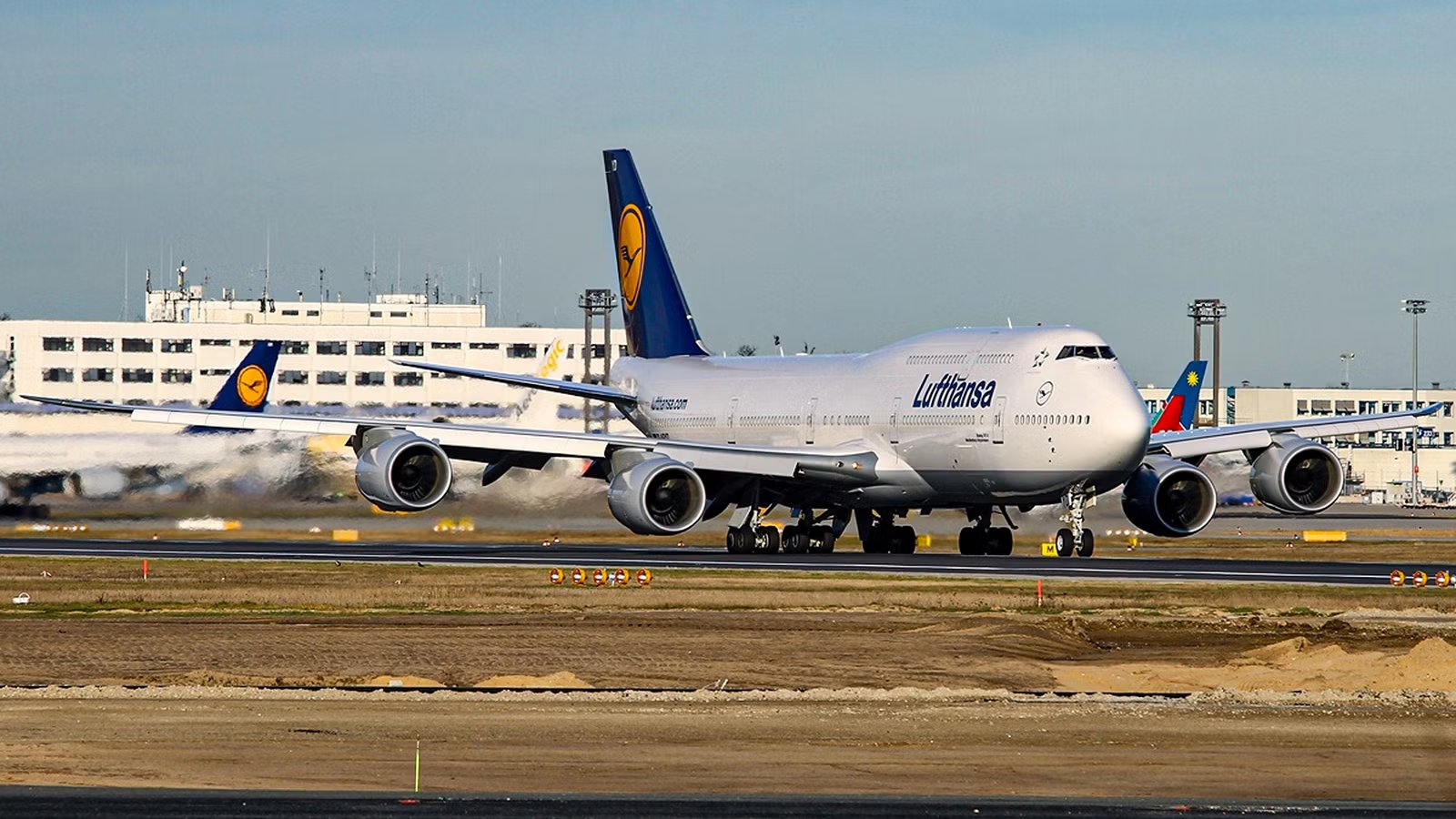
The Gulf region’s airspace is among the busiest in the world, with aircraft constantly transiting between major global hubs. Recent heightened tensions between the United States and Iran have already prompted several international carriers to suspend or reroute services as a precaution. Among those affected are Air France and KLM, which have paused select Middle East operations, alongside British Airways (temporary Bahrain halt). The Lufthansa Group has also adjusted flight routes (rerouting around Iran/Iraq).
Any reduction in available routing options can create congestion in adjacent airspace, leading to sequencing delays and revised flight levels. Airlines in the region have experience adapting to such volatility, having previously navigated airspace restrictions linked to regional conflicts and security concerns. However, widespread rerouting by multiple global carriers increases pressure on alternative corridors, potentially driving up fuel burn, crew duty times, and navigation costs while reducing schedule resilience.
For Gulf carriers in particular, strategic geography is both an advantage and a vulnerability. Their hub-and-spoke models depend on seamless east-west connectivity, meaning reroutes may lengthen journey times and alter arrival banks at key transfer hubs. International operators relying on overflight rights through the region could face sustained cost pressures if restrictions persist. Beyond the immediate operational implications, the situation underscores how geopolitical tensions increasingly intersect with commercial aviation planning.

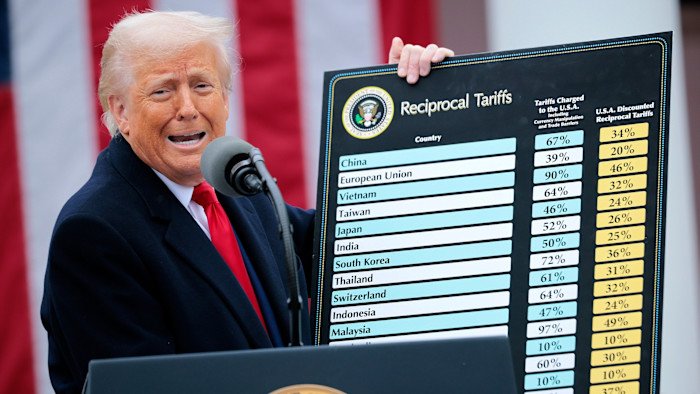
Airlines Halt Middle East Flights As Trump Warns US ‘Armada’ Is Heading Toward Iran
Major carriers have pulled services to the region over the weekend.
A Period Of Growing Uncertainty

Recent years have seen multiple instances of airlines adjusting Middle Eastern routes in response to evolving security assessments. Carriers often rely on real-time intelligence, government advisories, and insurer guidance when determining whether to avoid specific flight information regions. Even in the absence of full closures, elevated risk levels can be enough to trigger voluntary diversions.
Looking ahead, much will depend on whether diplomatic efforts ease tensions or if military activity expands further. If airspace limitations were to broaden, ripple effects could extend well beyond the Gulf, influencing long-haul scheduling between Europe, Asia, and North America. For now, airlines remain in a holding pattern, maintaining operations while preparing for rapid adjustments should conditions change.
In the meantime, passengers traveling through the region are advised to monitor flight updates, as schedule changes can occur quickly in dynamic operating environments.