dailynewsnblog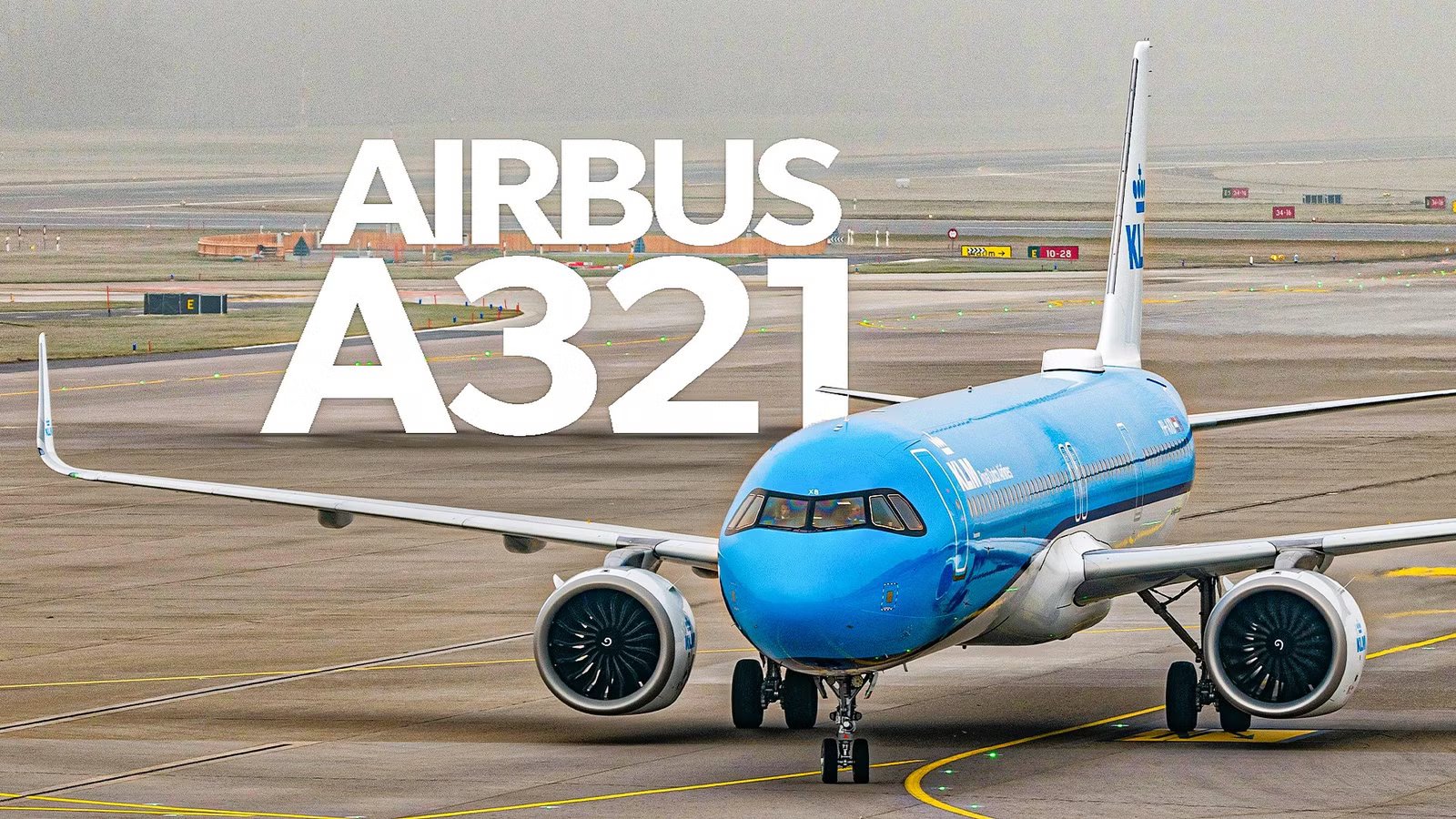
King Willem-Alexander of the Netherlands is not just an aviation enthusiast — he is an active, qualified pilot who has spent years flying KLM services as a guest pilot. That unusual royal side story came back into focus this week when it was confirmed that he had completed his last scheduled Boeing 737 flight for KLM on March 11 and will now retrain on the Airbus A321neo.
It was a charming aviation moment, but it also marked something bigger. KLM is now overhauling its entire short-haul fleet: mainline is moving away from Boeing 737NGs and toward the Airbus A320neo family, while KLM Cityhopper is replacing older Embraer 190s with larger, quieter, and more efficient Embraer 195-E2s. In that sense, the King’s farewell to the 737 was also KLM’s farewell to an era.
The King’s Farewell To The 737

Willem-Alexander has held pilot qualifications for decades, but his KLM guest-pilot role became globally known in 2017, when it emerged that he had been flying airline services regularly to stay current. Before moving on to the 737 in mid-2017, he flew either the government aircraft or KLM Cityhopper’s Fokker 70s. That made him a rare public figure already associated with one major fleet change at KLM, before becoming tied to another.
Now that story has come full circle. The Royal House says the King’s final scheduled 737 guest-pilot flight took place on March 11, 2026, and that he will undergo training to qualify on the A321neo. This was not simply a personal fleet switch. It is happening because KLM itself is replacing the 737 with Airbus narrowbodies on European routes.
That is what gives the moment its real punch. The King’s last 737 flight was a human-interest story on the surface, but underneath it was a vivid symbol of what is happening across the airline. KLM mainline is moving toward the A320neo-family, while Cityhopper is modernizing with E195-E2s. The short-haul fleet that defined KLM for years is being reworked from both ends at once.
Inside KLM’s Airbus Narrowbody Shift

The decisive break with Boeing for mainline, short-haul flying came in December 2021, when the Air France-KLM Group selected the Airbus A320neo family for the KLM and Transavia European fleets, ordering 100 aircraft with options for 60 more. The Group said the new A320neo and A321neo aircraft would begin replacing the Boeing 737NG on European routes and framed the choice around a number of key reasons:
-
Lower noise, with KLM saying the type is 50% quieter compared to the aircraft it’s replacing, crucial for the airline’s hub at
 Amsterdam Schiphol Airport
(AMS). - Lower fuel burn and CO2 emissions, with reductions of up to 15%. This not only helps KLM meet its emissions goals but improves operating economics.
- A larger aircraft in the A321neo, which is more advantageous at its capacity-constrained hub.
- A more advanced onboard product and better customer comfort, which also provides greater fleet commonality across the Air France-KLM group.
The first A321neo joined the fleet in August 2024, entering service from mid-September on European routes. The transition then became visible in both directions: the Airbus fleet started growing, and in December 2025, the first 737-800 was retired from the KLM fleet, with a second following in January 2026.
|
The KLM Mainline Narrowbody Fleet: March 2026 |
|||
|---|---|---|---|
|
Aircraft type |
In operation |
On order |
Average Age |
|
Airbus A320neo |
– |
9 |
– |
|
Airbus A321neo |
14 |
19 |
0.8 years |
|
Boeing 737-700 |
6 |
– |
16.0 years |
|
Boeing 737-800 |
29 |
– |
18.4 years |
|
Boeing 737-900 |
5 |
– |
24.0 years |
Current reporting shows that the Group has assigned 33 A321neos to KLM (and 15 to Transavia), of which 14 have already been delivered. It will receive nine of the smaller Airbus A320neo from 2028. The balance of the 100-aircraft order and the assignment to the airlines has yet to be confirmed, and similarly, KLM hasn’t yet published a completion date for the full changeover and the last 737NG retirement.

KLM Waves Goodbye To Its First Boeing 737-800
The carrier is beginning to shift its global fleet strategy.
Cityhopper’s Renewal Is Just As Crucial

The Airbus transition gets most of the attention, but KLM Cityhopper’s fleet shift is just as strategically important. In 2019, KLM announced plans to acquire up to 35 Embraer 195-E2s for Cityhopper (25 firm orders with ten options). The logic was simple: Cityhopper needed an aircraft with more capacity than the Embraer 190s it already operated, but still tailored to thinner European markets and high-frequency feeder flying into Schiphol.
Then-CEO Pieter Elbers made the case directly when KLM announced the plan:
“Embraer has been a key partner for KLM and Cityhopper over the past ten years. Our customers appreciate the E190 and E175’s, so the E2 would be a welcome addition to the KLM fleet. It gives us greater capacity flexibility, helps manage down costs, and supports our sustainability goals with lower levels of noise and emissions.”
The E195-E2 entered the fleet in 2021, and by late last year, Cityhopper already had 25 examples flying. The airline has not yet confirmed whether it will take up its ten options, but has embarked on a retrofit program that will decrease galley space and add an extra row, thereby increasing capacity to 136 seats. The full fleet will be completed by June, in time for the busy summer season.
Cityhopper’s renewal isn’t just a side project for KLM, but rather the regional counterpart to the Airbus story. As the mainline fleet grows and becomes more efficient, Airbus narrowbodies for busier European sectors, Cityhopper is scaling a more capable and efficient Embraer fleet for thinner routes and feeder markets. Together, they give KLM a much more precise way to size aircraft across Europe.
The King’s last 737 flight, therefore, serves as more than a good anecdote; it’s a neat snapshot in time of where the world’s oldest airline stands today. For the King, that means a new type rating. For KLM, it’s a major inflection point in its largest-ever narrowbody transformation.