

 dailynewsnblog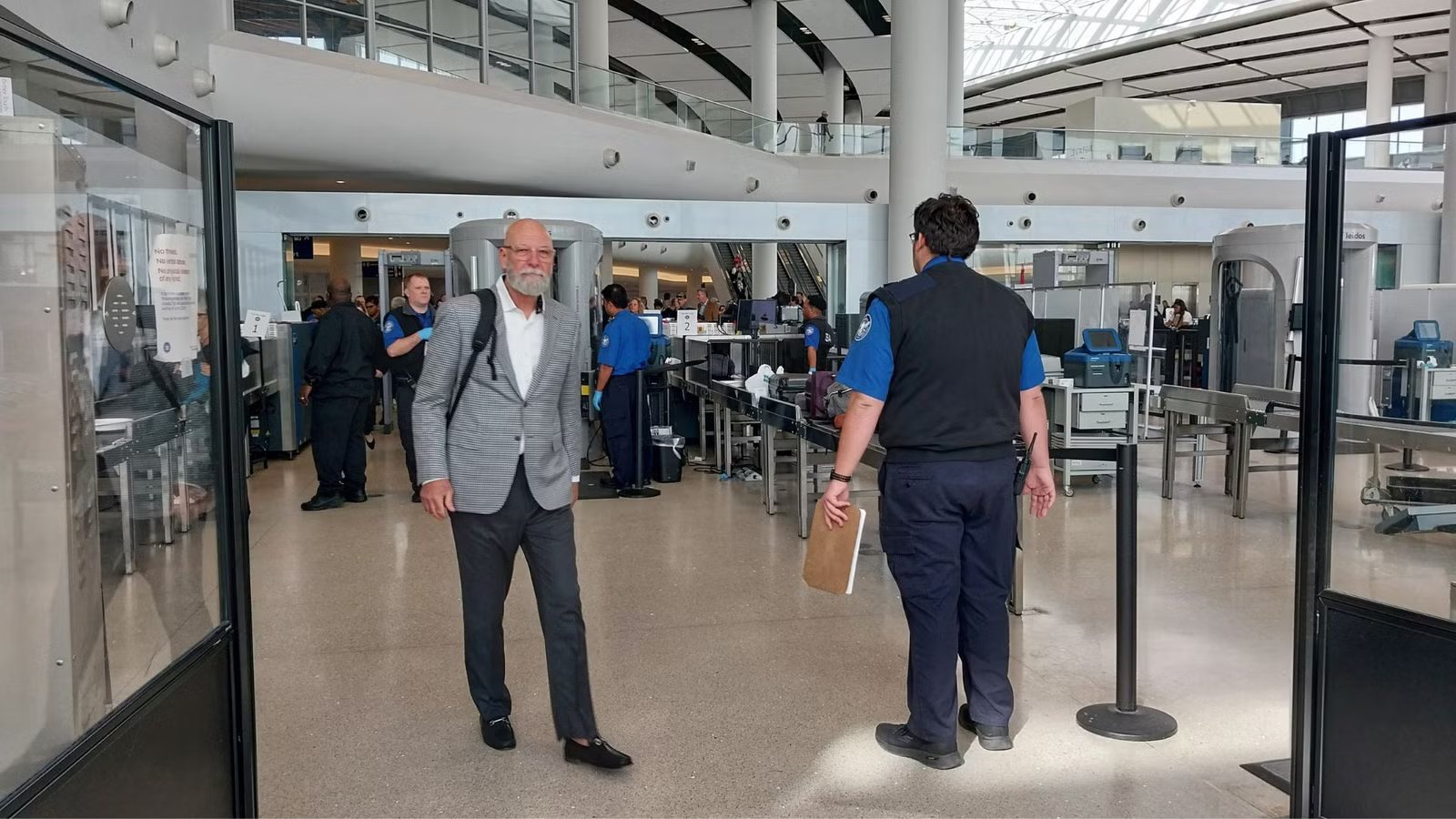
Travelers across the United States are encountering significant airport security delays as a funding dispute affecting the Department of Homeland Security (DHS) threatens operations at Transportation Security Administration (TSA) checkpoints, says the Boston Herald. The situation stems from a federal budget standoff that has left DHS without approved funding. As the shutdown continues into March, thousands of TSA officers are required to work despite not receiving pay. The issue is becoming more visible at airports nationwide as passenger numbers begin rising for the spring travel season.
Although airport security remains operational because TSA officers are classified as essential workers, the shutdown is creating pressure on staffing levels. Some officers have been unable to report for duty due to financial strain or other challenges caused by the lapse in pay. As a result, several airports have experienced longer screening queues and slower passenger processing. With holiday and leisure travel increasing in March and April, industry observers warn that delays could become more widespread if the situation persists.
Security Delays Emerge As DHS Shutdown Impacts TSA Staffing

Early signs of disruption have already appeared at several airports where security checkpoints have struggled to maintain normal throughput. Reduced staffing means fewer screening lanes are open during busy periods, causing queues to grow much longer than usual. In certain cases, passengers have reported waiting multiple hours to clear security before reaching departure gates. These delays have raised concerns among airport operators as the spring travel rush approaches.
Some airports have already experienced particularly severe delays. At William P. Hobby Airport in Houston, security wait times continued to average roughly three hours. Meanwhile, Louis Armstrong New Orleans International Airport has reported waits approaching two hours during busy periods. The issue is tied to the wider shutdown impact, which has left around 50,000 TSA officers working without pay while still being required to report for duty. Chris Sununu, president and CEO of Airlines for America, a trade group for US airlines, said:
“We are in spring break travel season and expecting record numbers of people to take to the skies. Airlines have done their part to prepare; now Congress and the administration must act with urgency to reach a deal that reopens DHS and ends this shutdown.”
Political Funding Dispute Begins To Affect Airport Operations

Essential personnel such as TSA officers must continue working despite missing paychecks. Previous shutdowns have shown that absentee rates among airport security staff can rise significantly when employees are unpaid, creating operational strain. Aviation industry groups have warned that prolonged uncertainty could further increase staffing shortages at airport checkpoints.
Airlines themselves continue flying as scheduled, but bottlenecks at security checkpoints can still create operational challenges. If large numbers of passengers miss flights due to screening delays, airlines must manage rebookings and potential disruptions to their networks. Airports are therefore closely monitoring checkpoint staffing and adjusting operations where possible. Some have also encouraged passengers to arrive significantly earlier than usual to reduce the risk of missing flights.
The delays are also occurring during a particularly busy period for US aviation. Industry forecasts suggest around 171 million passengers are expected to travel during the spring break travel window, roughly 4% higher than the same period last year. With higher passenger volumes meeting fewer open screening lanes, security wait times can increase quickly at major hubs. Airports in cities such as Houston, Atlanta, and New Orleans have already seen lines stretch outside terminal buildings during peak hours.

Not Again: 50,000 TSA Officers Face Unpaid Work As Shutdown Threatens Spring Break Travel
As the U.S. government faces another shutdown, thousands of TSA workers could be forced to work without pay.
What Travelers Should Expect If The Shutdown Continues

Government shutdowns have affected aviation operations in the past, particularly when they last several weeks. Although airports remain open and flights continue operating, essential staff working without pay can create operational strain. During previous shutdowns, increases in employee absences contributed to slower checkpoint processing. Aviation analysts say the current situation could follow a similar pattern if the funding impasse is not resolved soon.
Industry groups have repeatedly warned that prolonged shutdowns risk undermining confidence in the aviation system. While the system itself is resilient, security screening remains one of the most visible parts of the passenger journey. If delays become widespread, the travel experience could be significantly affected during peak demand periods. Lawmakers are therefore under pressure to approve funding that restores normal operations.
For now, travelers are advised to check airport guidance before departing for the terminal and allow extra time for security screening. Airports currently reporting notable delays include William P. Hobby Airport in Houston and Louis Armstrong New Orleans International Airport, while hubs such as George Bush Intercontinental Airport, Hartsfield–Jackson Atlanta International Airport, and Charlotte Douglas International Airport have also seen longer queues. Airlines and airport authorities continue to monitor the situation as negotiations over DHS funding continue.


