dailynewsnblog

Listen to this article
Estimated 4 minutes
The audio version of this article is generated by AI-based technology. Mispronunciations can occur. We are working with our partners to continually review and improve the results.
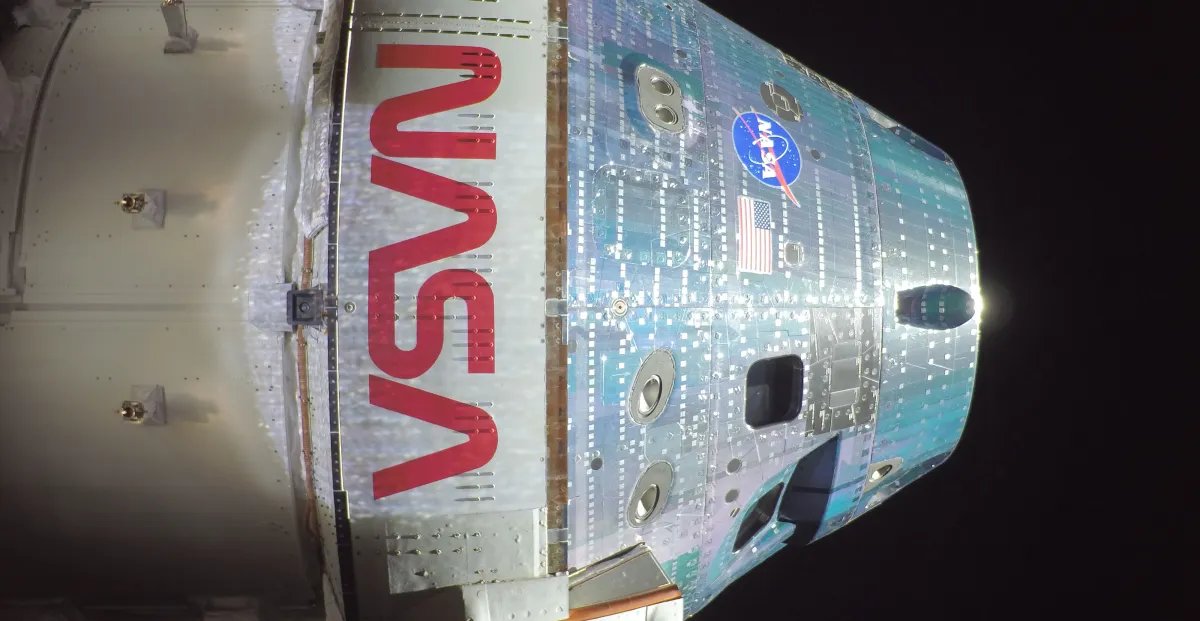
As the Artemis II makes its way towards the moon, it carries the Innu Nation flag along with it.
The crew successfully launched Wednesday from the Kennedy Space Center in Florida, and Canadian astronaut Jeremy Hansen has a very special item packed with his belongings on the shuttle.
An Innu Nation flag — a gift from the community — is now travelling through outer space.

Hansen, along with other astronauts and researchers, travelled to Kamestastin in Northern Labrador in September 2023 for planetary science and lunar geology training.
The site, a remote meteorite impact crater, according to the Canadian Space Agency, is the closest thing we have to the moon here on Earth.
It’s also a location of great cultural significance to the Innu Nation.
Jodie Ashini is the cultural guardian for the Innu Nation. She said Hansen’s visit to Labrador made an impact on the community, and on the astronaut as well.
“It’s a very, very important place to the Innu people. We wanted to ensure that every part of the work was done culturally sensitive,” Ashini told CBC News.
Ashini said Hansen immersed himself in Innu culture during his trip.
“Not only did he meet with the guardians, he went to the schools and in Natuashish as well as meeting with the kids here in Sheshatshiu after their trip,” Ashini said.

“I think he really understood how important the place was that he was traveling to and what it has meant to the Innu for the last 7,000 years,” she said.
Mushuau Innu Guardians went with the team as they conducted their research, sharing their knowledge of the area, as well as its cultural significance.
“They just offered so much knowledge and expertise in the area,” Ashini said.
“I think it was the other guys [the astronauts] that really appreciated the Innu people,” she said.

The Kamestastin crater is in the traditional hunting grounds of the Mushuau Innu First Nation in northern Labrador. Its unique landscape is similar to the moon, making it the perfect place for astronauts to do geology training.
“I had some great exchanges with the Innu guardians that are here in the crater with us. It’s been really special. We spent three nights with them, around the campfire, sharing dinner with them and hearing about their traditions, how they care for this land,” Hansen said in a video posted by the Canadian Space Association.
“They’ve even helped us with our exploration, telling us about where things that they’ve seen in the crater are. So it’s been super helpful, and really special to share in their culture a little bit, I’m very grateful for that,” Hansen said.
The community is ‘watching the skies’
And how did the flag end up with Hansen up in space? Ashini asked.
“I kind of just as a joke asked him, ‘OK you can plant it on the moon now’? And he said ‘well, I got it packed and I’m going to bring it on the capsule,’” Ashini said.

While the Innu Nation had an impact on Hansen, his visit made a mark on the community as well, especially on young people.
“I think I’m still holding my breath from yesterday’s launch. So it’s I don’t know if I’ll be able to properly sleep until they’re back on Earth. So we’re all, we’re all very much rooting for them and watching the skies,” Ashini said.
She said it’s “surreal” to have this piece of Innu nation connected with the mission.
While the community keeps a close eye on the crew’s mission, it’s not yet clear what might happen to the flag once it’s back on Earth.
“I don’t know. My first thought is that it’ll come home to Sheshatshiu and be put up in the cultural centre, maybe signed by them, “ Ashini said.
“We’ll see. We’ll see what I can talk them into,” Ashini laughed.
Download our free CBC News app to sign up for push alerts for CBC Newfoundland and Labrador. Sign up for our daily headlines newsletter here. Click here to visit our landing page.