dailynewsnblog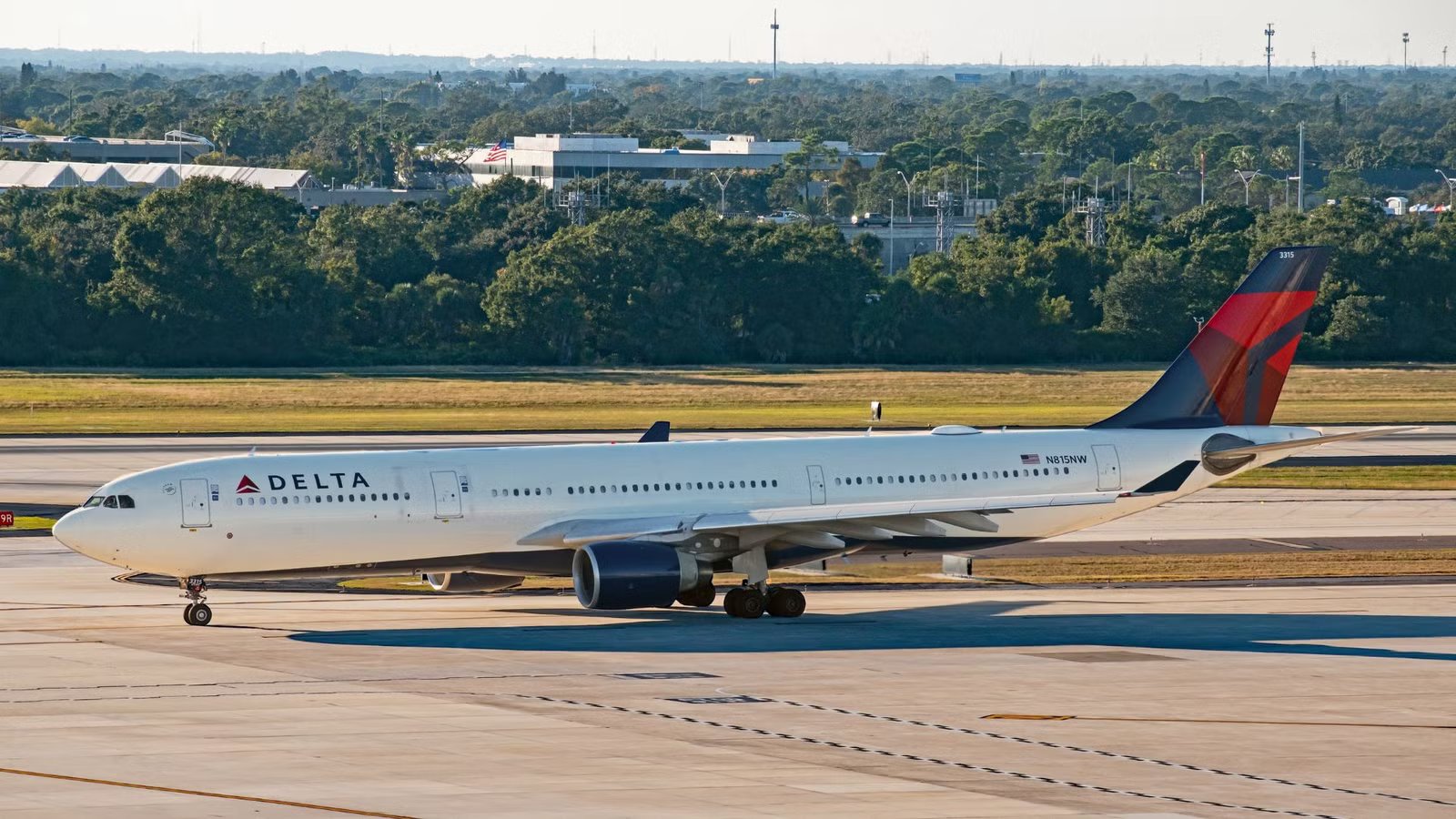
 Delta Air Lines is deliberately repositioning Hawaii as a premium long-haul destination rather than a mass-market vacation playground. Beginning in 2026 and expanding through 2027, the carrier is deploying widebody aircraft with Delta One suites on select mainland Hawaii routes. The strategy centers on major gateways serving Honolulu and Maui. At its core, Delta is chasing yield, not volume, in one of the most competitive leisure markets in the US.
Hawaii has long been defined by discounted fares, dense economy cabins, and razor-thin margins. Delta’s new approach challenges that formula by assuming travelers are willing to pay international-style prices for comfort on five-to-ten-hour flights. Rather than flooding the market with seats, the airline is emphasizing exclusivity, experience, and loyalty-driven demand. This section examines how far Delta is willing to push Hawaii upmarket, and what that means for the industry.
Why Delta Is No Longer Chasing Hawaii’s Cheapest Traveler

Delta’s Hawaii expansion is less about raw capacity and more about aircraft quality and route selection. New nonstop services, including  Minneapolis-St. Paul International Airport (MSP) – Kahului Airport (OGG) and the return of
  Boston Logan International Airport (BOS) – Honolulu International Airport (HNL), are being operated with widebody jets, including the Airbus A330-300 and Boeing 767-300, configured with a focus on premium-heavy cabins. These aircraft feature lie-flat business class seating typically reserved for transoceanic routes. As a result, Delta is materially increasing revenue potential per flight.
Equally important is what happens beyond the aircraft. Delta is reinforcing its premium positioning with lounge access, priority services, and a consistent long-haul experience from curb to cabin. The airline is targeting affluent leisure travelers, honeymooners, and premium cardholders rather than bargain hunters. This signals a strategic retreat from price-led competition in Hawaii. Amy Martin, Vice President of Network Planning at Delta Air Lines, said:
“This expansion strengthens connectivity from key U.S. hubs while giving customers more choice in how they reach the islands, alongside the premium travel experience they expect on these long-haul flights.”
Rebuilding The Hawaii Flight Around Comfort, Not Capacity

Delta’s pivot reflects a broader post-pandemic recalibration across the airline industry. Generally, many travelers fly less frequently but spend more per trip, particularly on comfort and privacy. Hawaii’s flight durations increasingly resemble transatlantic journeys, making premium cabins more compelling. Delta is capitalizing on this behavioral shift rather than resisting it.
The move also subtly reshapes competitive dynamics. Airlines relying on high-density economy seating may struggle to match Delta’s yields without matching its product investments. By narrowing its focus to profitable segments, Delta reduces exposure to fare wars that have historically plagued Hawaii routes. The islands could become a proving ground for premium leisure travel in the domestic market.
Underlying this strategy is Delta’s long-term investment in fleet renewal and brand consistency. Premium Hawaii flights serve as both a revenue engine and a brand showcase. If successful, similar upmarket strategies could follow on other traditionally low-yield leisure routes. Hawaii, in this sense, is a test case, not an exception.

Lie-Flat Transcon: Why Delta Is Re-Entering This Premium California Market After 7 Years Away
The carrier is expanding its premium presence.
When A Vacation Market Starts Getting Priced Like A Flagship Route

Delta’s strategy aligns with parallel shifts within Hawaii’s tourism ecosystem. Luxury resorts, private transfers, and premium travel packages are growing faster than budget accommodations. Airlines that can integrate seamlessly into this high-end travel chain stand to benefit disproportionately. Delta is positioning itself as the preferred carrier for that segment.
Past attempts to ‘premiumize’ travel across the world often collapsed under excess capacity and aggressive discounting. Delta’s approach differs by limiting routes, carefully managing frequency, and emphasizing loyalty over opportunistic demand. This discipline could help smooth seasonal volatility and protect margins. The risk, however, lies in misjudging how deep premium demand truly runs.
Ultimately, Delta is asking travelers to rethink what a Hawaii flight should feel like. The beach may still be casual, but the journey there no longer has to be. Whether this marks the beginning of a permanently upscale Hawaii market remains to be seen. What is clear is that Delta is no longer pricing Hawaii like a bargain destination.