dailynewsnblog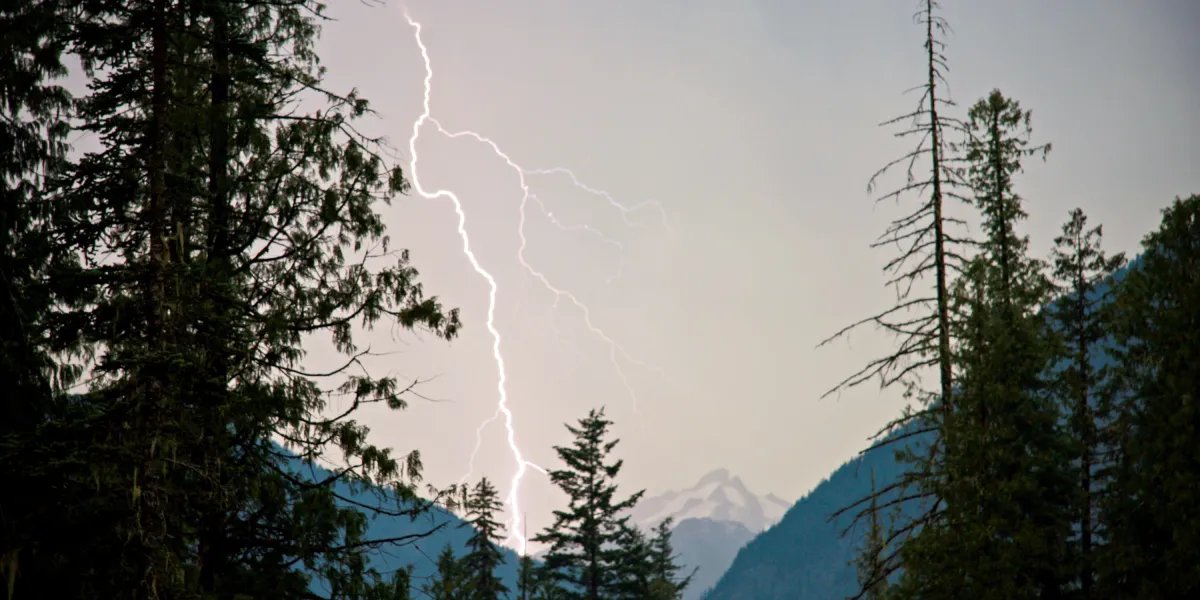
Startup Skyward Wildfire says it can prevent catastrophic fires by stopping the lightning strikes that ignite them. So far, it hasn’t publicly revealed how it does so, but online documents suggest the company is relying on an approach the US government began evaluating in the early 1960s: seeding clouds with metallic chaff, or narrow fiberglass strands coated with aluminum.
It just raised millions of dollars to accelerate its product development and expand its operations. But researchers and environmental observers say uncertainties remain, including how well the seeding may work under varying conditions, how much material would need to be released, how frequently it would have to be done, and what sorts of secondary environmental impacts might result. Read the full story.
—James Temple
OpenAI’s “compromise” with the Pentagon is what Anthropic feared
OpenAI has reached a deal that will allow the US military to use its technologies in classified settings. CEO Sam Altman said the negotiations, which the company began pursuing only after the Pentagon’s public reprimand of Anthropic, were “definitely rushed.”
OpenAI has taken great pains to say that it has not caved to allow the Pentagon to do whatever it wants with its technology. The company published a blog post explaining that its agreement protected against use for autonomous weapons and mass domestic surveillance, and Altman said the company did not simply accept the same terms that Anthropic refused.
But it’s not yet clear if OpenAI can build in the safety precautions it promises as the military rushes out a politicized AI strategy during strikes on Iran, or if the deal will be seen as good enough by employees who wanted the company to take a harder line. Walking that tightrope will be tricky. Read the full story.
—James O’Donnell