dailynewsnblog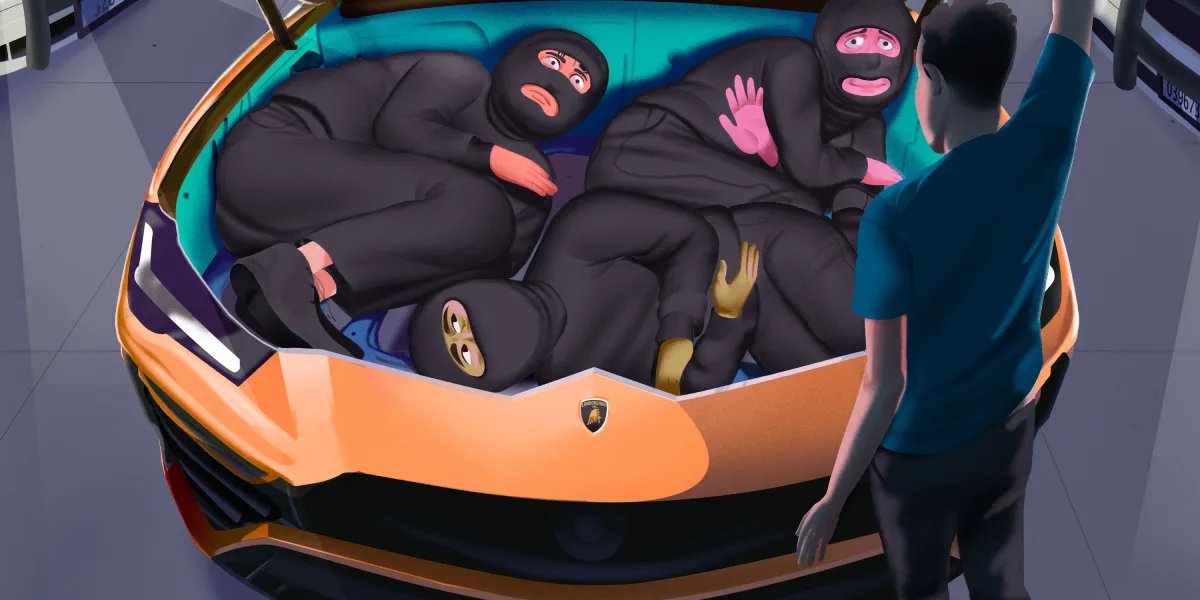
Across the world, unsuspecting people are unwittingly becoming caught up in a new and growing type of organized criminal enterprise: vehicle transport fraud and theft.
Crooks use email phishing, fraudulent paperwork, and other tactics to impersonate legitimate transport companies and get hired to deliver a luxury vehicle. They divert the shipment away from its intended destination before using a mix of technology, computer skills, and old-school techniques to erase traces of the vehicle’s original ownership and registration. In some cases, the car has been resold or is out of the country by the time the rightful owner even realizes it’s missing.
The nationwide epidemic of vehicle transport fraud and theft has remained under the radar, even as it’s rocked the industry over the past two years. MIT Technology Review identified more than a dozen cases involving high-end vehicles, obtained court records, and spoke to law enforcement, brokers, drivers, and victims in multiple states to reveal how transport fraud is wreaking havoc across the country. Read the full story.
—Craig Silverman
The scientist using AI to hunt for antibiotics just about everywhere
Antimicrobial resistance is a major problem. Infections caused by bacteria, fungi, and viruses that have evolved ways to evade treatments are now associated with more than 4 million deaths per year, and a recent analysis predicts that number could surge past 8 million by 2050.
Bioengineer and computational biologist César de la Fuente has a plan. His team at the University of Pennsylvania is training AI tools to search genomes far and deep for peptides with antibiotic properties. His vision is to assemble those peptides—molecules made of up to 50 amino acids linked together—into various configurations, including some never seen in nature. The results, he hopes, could defend the body against microbes that withstand traditional treatments—and his quest has unearthed promising candidates in unexpected places. Read the full story.
—Stephen Ornes
These stories are both from the next print issue of MIT Technology Review magazine, which is all about crime. If you haven’t already, subscribe now to receive future issues once they land.