dailynewsnblog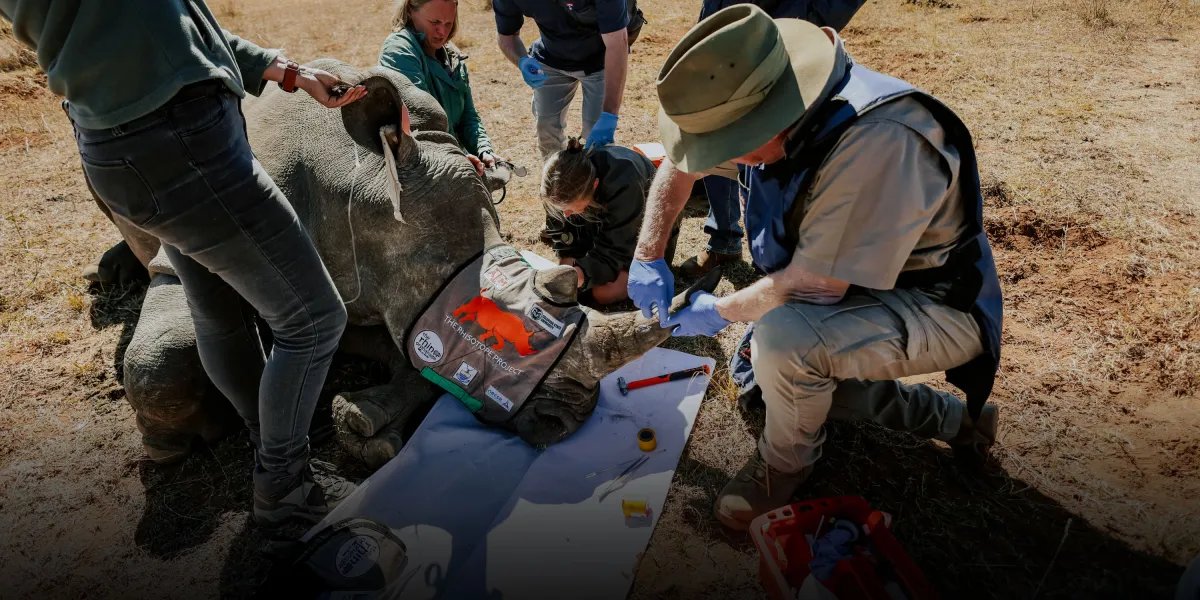
Every year, poachers shoot hundreds of rhinos, fishing crews haul millions of sharks out of protected seas, and smugglers carry countless animals and plants across borders. This illegal activity is incredibly hard to disrupt, since it’s backed by sophisticated criminal networks and the perpetrators know that their chances of being caught are slim. With an annual value of $20 billion, according to Interpol, it’s the world’s fourth-most-lucrative criminal enterprise after trafficking in drugs, weapons, and people.
The environmental guardians facing up to these nefarious networks—dispersed alliances of rangers, community groups, and law enforcement officers—have long been ill equipped and underfunded.
Still, there is genuine hope that tech could help turn the tide—and prevent poaching at the source. Read the full story.
—Matthew Ponsford
This story is from the next print issue of MIT Technology Review magazine, which is all about crime. If you haven’t already, subscribe now to receive future issues once they land.
Peptides are everywhere. Here’s what you need to know.
Want to lose weight? Get shredded? Stay mentally sharp? A wellness influencer might tell you to take peptides, the latest cure-all in the alternative medicine arsenal. They’re everywhere on social media, and that popularity seems poised to grow.
The benefits and risks of many of these compounds, however, are largely unknown. Some of the most popular peptides have never been tested in human trials. They are sold for research purposes, not human consumption, and some are illegal knockoffs of wildly successful weight-loss medicines. That raises big questions about their safety and effectiveness, which are still unresolved. Read the full story.
—Cassandra Willyard
This story is part of MIT Technology Review Explains: our series untangling the complex, messy world of technology to help you understand what’s coming next. You can read more from the series here.