dailynewsnblog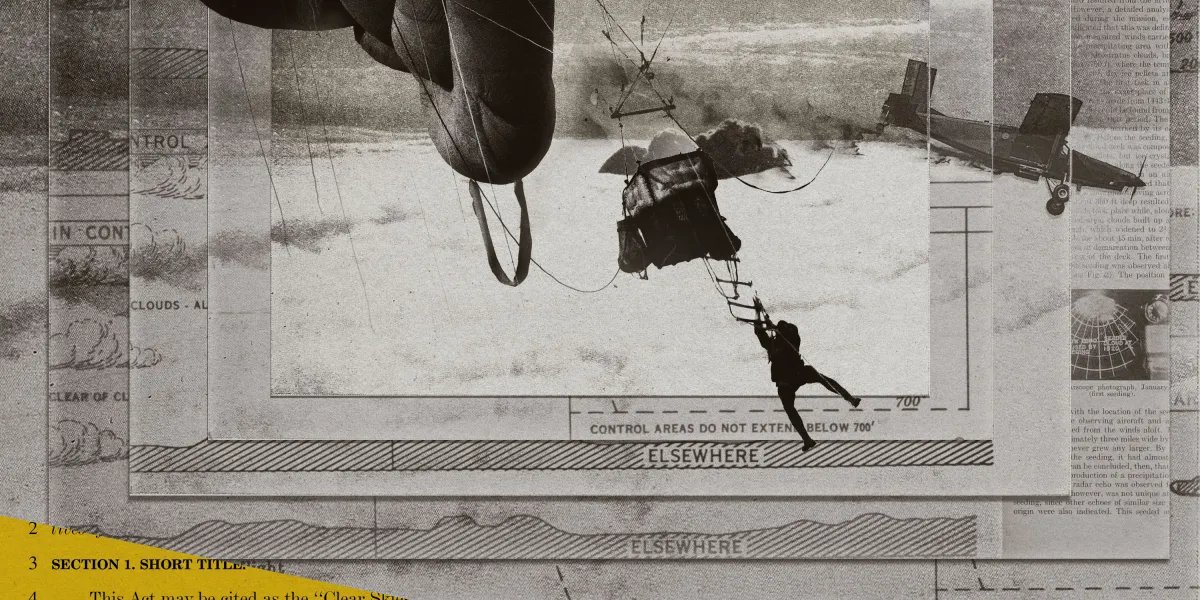
It was October 2024, and Hurricane Helene had just devastated the US Southeast. Representative Marjorie Taylor Greene of Georgia found an abstract target on which to pin the blame: “Yes they can control the weather,” she posted on X. “It’s ridiculous for anyone to lie and say it can’t be done.”
She was repeating what’s by now a pretty familiar and popular conspiracy theory: that shadowy forces are out there, wielding technology to control the weather and wreak havoc on their enemies. This preposterous claim has grown louder and more common in recent years, especially after extreme weather strikes.
But here’s the thing: While Greene and other believers are not correct, this conspiracy theory—like so many others—holds a kernel of much more modest truth. Read the full story.
—Dave Levitan
This story is part of MIT Technology Review’s series “The New Conspiracy Age,” on how the present boom in conspiracy theories is reshaping science and technology. Check out the rest of the series here.
AI could predict who will have a heart attack
For all the modern marvels of cardiology, we struggle to predict who will have a heart attack. Many people never get screened at all. Now, startups are applying AI algorithms to screen millions of CT scans for early signs of heart disease.
This technology could be a breakthrough for public health, applying an old tool to uncover patients whose high risk for a heart attack is hiding in plain sight. But it remains unproven at scale, while raising thorny questions about implementation and even how we define disease. Read the full story.
—Vishal Khetpal
This story is from the latest print issue of MIT Technology Review magazine, which is full of fascinating stories about the body. If you haven’t already, subscribe now to receive future issues once they land.