dailynewsnblog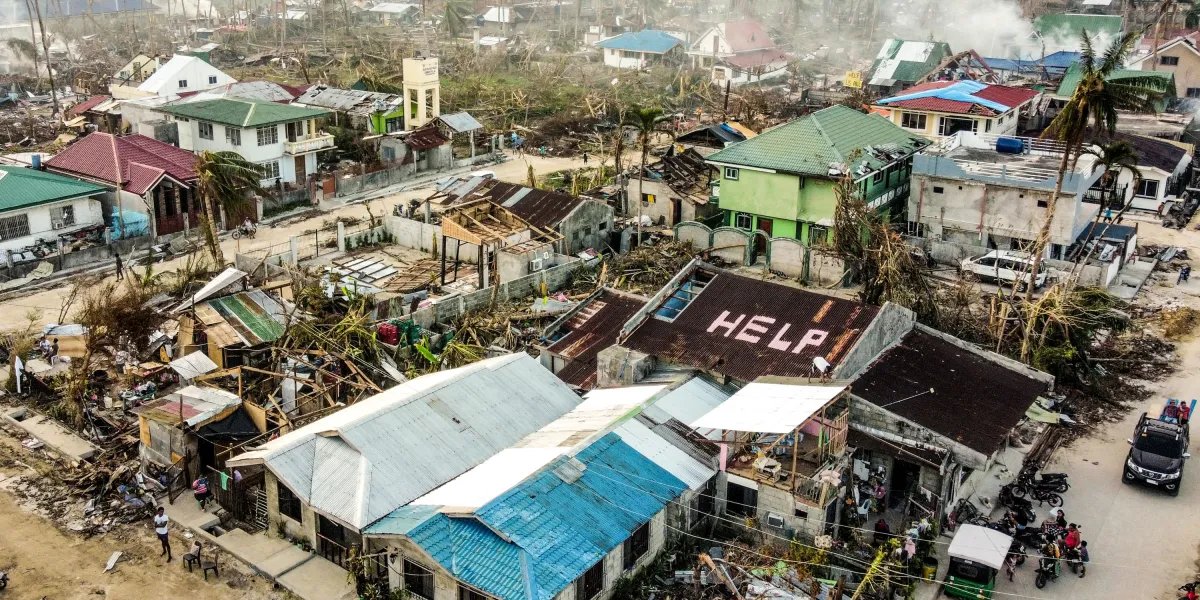
Morally, there’s an ironclad case that the countries or companies responsible for this mess should provide compensation for the homes that will be destroyed, the shorelines that will disappear beneath rising seas, and the lives that will be cut short. By one estimate, the major economies owe a climate debt to the rest of the world approaching $200 trillion in reparations.
Legally, though, the case has been far harder to make. Even putting aside the jurisdictional problems, early climate science couldn’t trace the provenance of airborne molecules of carbon dioxide across oceans and years. Deep-pocketed corporations with top-tier legal teams easily exploited those difficulties.
Now those tides might be turning. More climate-related lawsuits are getting filed, particularly in the Global South. Governments, nonprofits, and citizens in the most climate-exposed nations continue to test new legal arguments in new courts, and some of those courts are showing a new willingness to put nations and their industries on the hook as a matter of human rights. In addition, the science of figuring out exactly who is to blame for specific weather disasters, and to what degree, is getting better and better.
It’s true that no court has yet held any climate emitter liable for climate-related damages. For starters, nations are generally immune from lawsuits originating in other countries. That’s why most cases have focused on major carbon producers. But they’ve leaned on a pretty powerful defense.
While oil and gas companies extract, refine, and sell the world’s fossil fuels, most of the emissions come out of “the vehicles, power plants, and factories that burn the fuel,” as Michael Gerrard and Jessica Wentz, of Columbia Law School’s Sabin Center, note in a recent piece in Nature. In other words, companies just dig the stuff up. It’s not their fault someone else sets it on fire.
So victims of extreme weather events continue to try new legal avenues and approaches, backed by ever-more-convincing science. Plaintiffs in the Philippines recently sued the oil giant Shell over its role in driving Super Typhoon Odette, a 2021 storm that killed more than 400 people and displaced nearly 800,000. The case relies partially on an attribution study that found climate change made extreme rainfall like that seen in Odette twice as likely.

IVAN JOESEFF GUIWANON/GREENPEACE
Overall, evidence of corporate culpability—linking a specific company’s fossil fuel to a specific disaster—is getting easier to find. For example, a study published in Nature in September was able to determine how much particular companies contributed to a series of 21st-century heat waves.
A number of recent legal decisions signal improving odds for these kinds of suits. Notably, a handful of determinations in climate cases before the European Court of Human Rights affirmed that states have legal obligations to protect people from the effects of climate change. And though it dismissed the case of a Peruvian farmer who sued a German power company over fears that a melting alpine glacier could destroy his property, a German court determined that major carbon polluters could in principle be found liable for climate damages tied to their emissions.