dailynewsnblog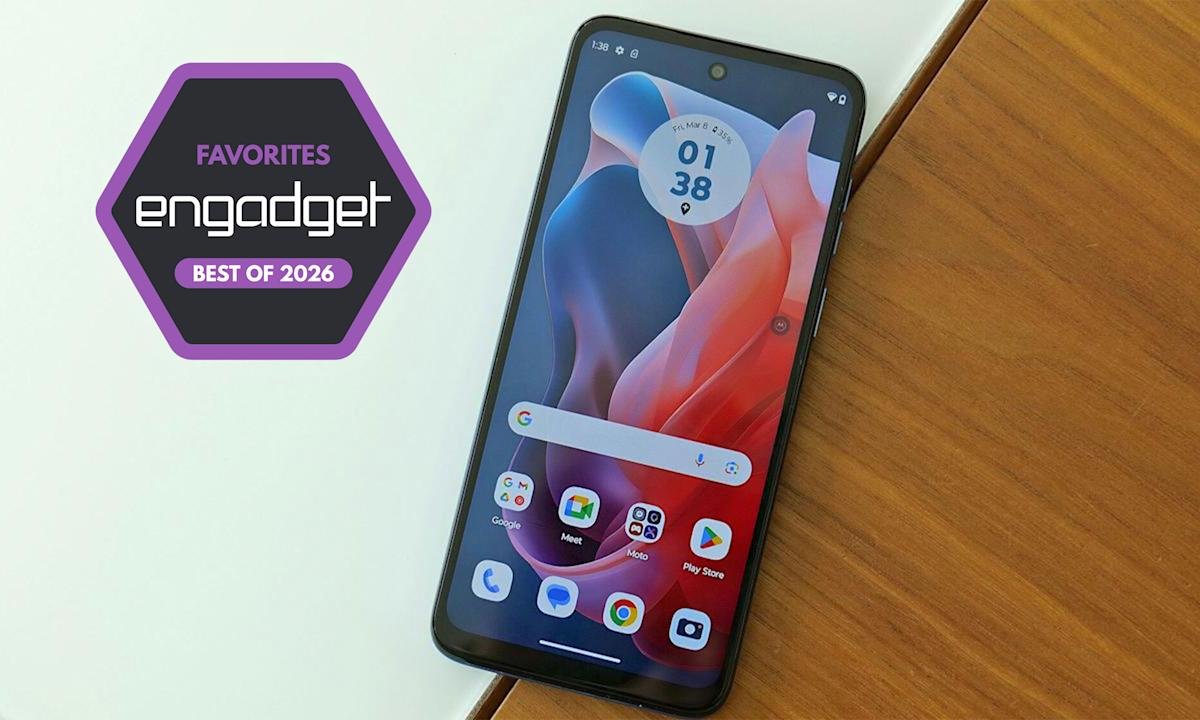
Getting a solid Android phone doesn’t necessitate spending a small fortune. The best budget models strike a great balance between price and performance, giving you smooth everyday use without cutting too many corners. Whether you’re scrolling social media, streaming your favorite shows or snapping photos of a night out, there’s an affordable Android phone that can handle it all.
Cheaper phones have come a long way in recent years. Many now feature bright, fast displays, reliable cameras and battery life that lasts well into the next day. You might miss out on top-tier extras like the latest processor or ultra-high-resolution zoom, but what you get instead is value that makes sense. Some models even surprise with cameras that rival far pricier flagships, making them ideal for casual photographers or anyone who just wants to capture a great shot on the go.
We’ve tested budget Android phones from brands like Google, Samsung and OnePlus to find the ones that deliver the most for less. These are the models that prove you don’t need a flagship price tag to get a dependable Android phone.
Best budget Android phones for 2026

Samsung
Read our full Samsung Galaxy A17 5G review
Building a good budget phone is tricky as manufacturers have a very hard limit on what they can include while staying under cost. Samsung has balanced this nicely on the Galaxy A17 5G by equipping it with a large 6.7-inch OLED display with solid brightness (up to 800 nits) and a 90Hz refresh rate. The phone’s design also defies its price because while it is made from polycarbonate (aka plastic), it doesn’t feel cheap. You even get a microSD card slot for expandable storage and three cameras in back. However, since one of those is a 2MP macro, it probably won’t see nearly as much use as the 50MP main or 5MP ultra-wide.
The one thing I wish Samsung splurged a bit more on is the phone’s Exynos 1330 chip, as it’s a little dated and sometimes struggles with things like multitasking or running more demanding apps. That said, starting at just $200 (or less depending on discounts), the Galaxy A17 delivers a lot of value for not a ton of money. — Sam Rutherford, Senior Reporter
- Solid build
- Big and relatively bright screen
- microSD card slot
- Very affordable
- Lackluster performance
- Mono speaker
- Battery life could be a touch longer
OnePlus
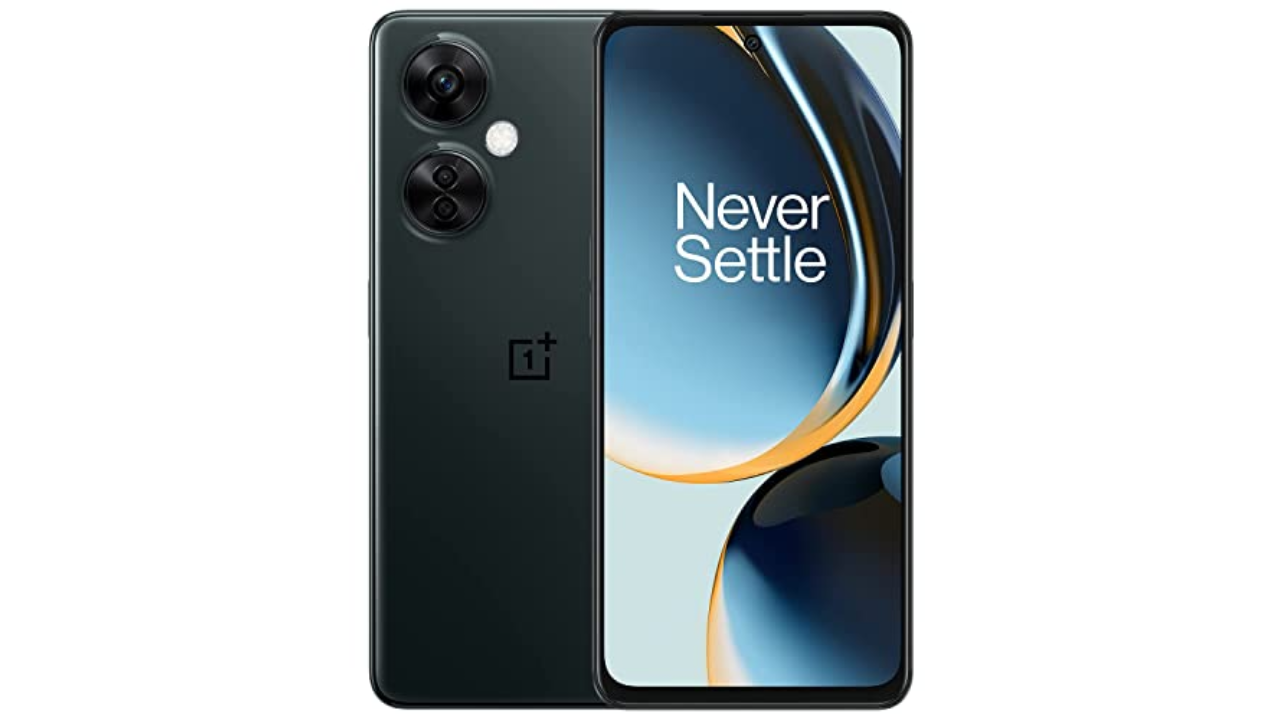
When it first came out, the Nord N30 had basically everything you could want in a phone that cost $300. Its Snapdragon 695 5G chipset delivers strong performance along with speedy wireless connectivity that’s compatible with all the big US carriers, not to mention good specs including 8GB of RAM and 128GB of storage, making it a worthy upgrade. It also has a big 6.7-inch display with a 120Hz refresh rate, which is rare on a budget phone as most rivals feature slower 60Hz or 90Hz panels. And thanks to its 50-watt wired fast charging, you can top it up quickly, too. It also offers software updates for a decent period, ensuring its longevity. But most importantly, the Nord 30 recently got a price drop from $300 to $250, making it an unquestionably good deal and our top pick in this space.
- Good performance for the price
- 120Hz display
- 50W wired charging
Motorola
For those on a really tight budget, the 2024 Moto G Play covers all the bases well. It has a speedy Snapdragon 680 processor along with 4GB of RAM and 64GB of storage. And while that last number might seem small, the phone has a microSD card slot so you can add more space if and when you need it. Its 6.5-inch LCD screen is also surprisingly sharp with a 90Hz refresh rate. The Moto G Play even has an IP52 rating for dust and water resistance. That isn’t much, but it’s good enough to protect against an errant splash or two. Sure, the G Play is basic, but it’s basic in a good way, especially if you’re not too fussed about running multiple apps and just want a handset to perform everyday tasks.
- 90Hz display
- IP52 rating
- Expandable storage via a microSD card slot
- Only 64GB of onboard storage
Igor Bonifacic for Engadget
Read our Nothing Phone 3a Pro review
If you want something different from your next phone, there are few if any devices out there like the Nothing Phone 3a Pro. It has a translucent glass back that evokes the design of old Game Boys, allowing you to see some of its internal components, including the NFC antennas. At $459, it’s also one of the best deals in the industry, thanks to a compelling mix of features. The Phone 3a sports a bright 6.77-inch OLED display with a 120Hz refresh rate. It also comes with a 5,000mAh battery, a decently speedy Snapdragon 7s Gen 3 chipset and a 3x periscope telephoto camera. That last feature is something that’s difficult to find in the 3a Pro’s price range, especially in North America. — Igor Bonifacic, Senior Reporter
- Fun design
- Large 120Hz AMOLED screen
- Clean but customizable Android skin
- Limited US warranty
- No wireless charging
- Tinny speakers
How cheap should you go for an Android phone?
We tend to define a budget smartphone as costing between $150 and $350. Any lower and the device runs the risk of suffering from too many compromises in function, and above that, you cross over to pricier midrange handsets (if you’re open to spending more, we shouted out a couple of our favorite flagship phones at the very end of this guide).
But for those with a little wiggle room, there are some things to consider. For example, a child may be better off with a cheaper device, especially if it’s intended mainly for emergencies, WiFi browsing or texting parents (and not social media). On the higher end of this price spectrum, sub-$350 Samsung phones and other Android devices have come a long way thanks to improved performance, better phone cameras with low-light capabilities, fast charging, and nicer displays like AMOLED panels. This makes them a viable alternative to, say, a flagship handset with a premium design, even if you have the flexibility to spend more.
What to look for in a cheap Android phone
When it comes to cheap phones, you get what you pay for. Most smartphones in this price range are made out of plastic, though the fit and finish of a specific model can vary a lot based on price. A bright screen is also important. Typically you’ll get LCD panels with a 60Hz or 90Hz refresh rate, but some phones may have OLED or AMOLED screens with increased color saturation. Long battery life is critical as well, so we tend to favor devices with larger power cells of around 5,000 mAh. In this price range, performance can vary a lot, so look for devices with at least 8GB of RAM and processors that can deliver stutter-free visuals. It’s also important to consider support length: as periodic security updates and lengthy software support can extend the longevity of your device, which will save you money in the long run.
Android phone FAQs
What’s the price difference for a cheap Android vs a cheap iPhone?
iPhones tend to be more expensive compared to Android phones — even the cheapest iPhone, the iPhone SE, which starts from $429, is a harder pill to swallow compared to a cheap Android phone. In contrast, you can get your hands on a cheap Android device for as low as $100.