dailynewsnblog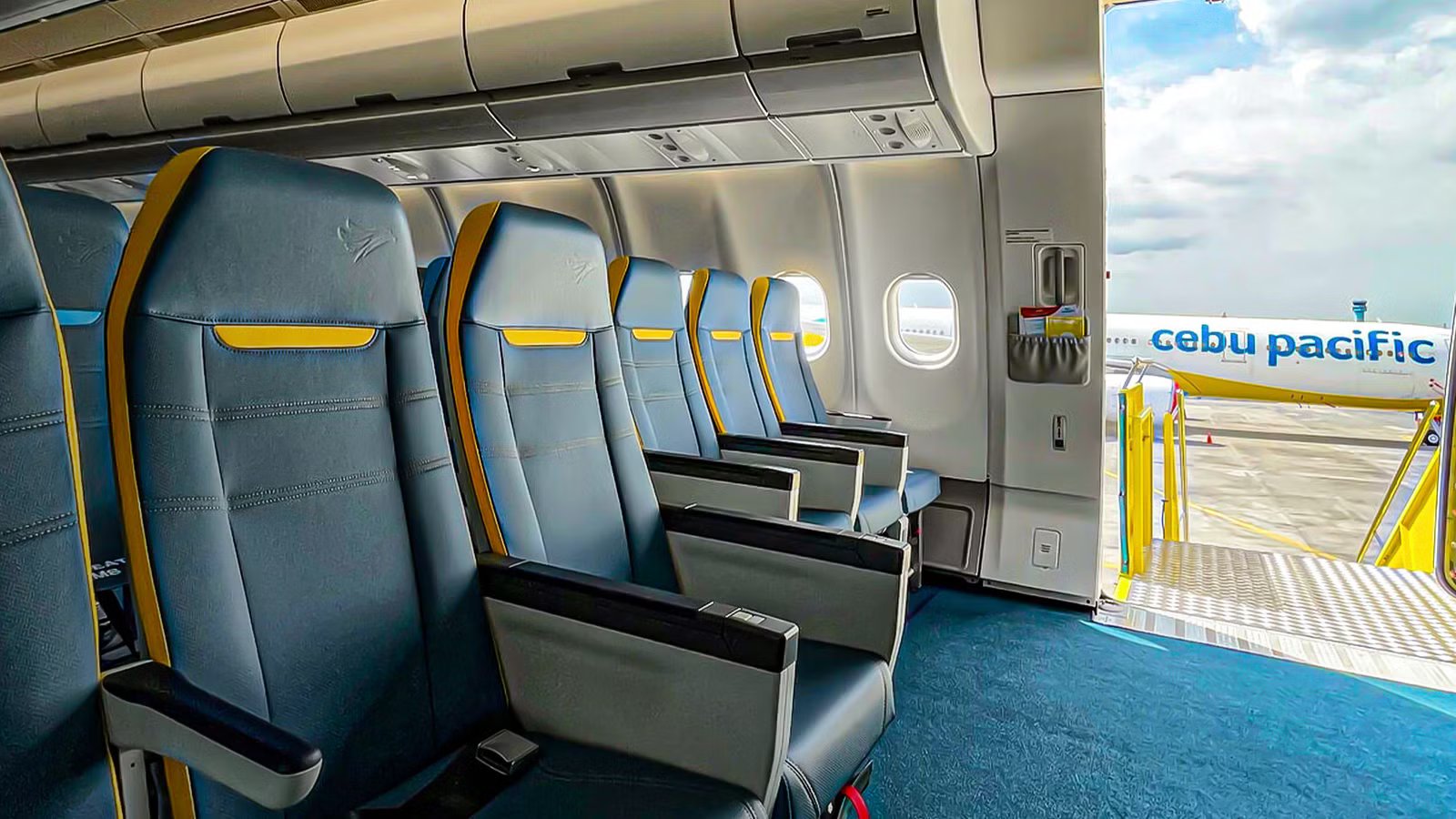
As airlines continue to fine-tune their business models in 2026, one of the most visible battlegrounds, aside from premium cabin integration, remains standard economy class seat density. Faced with rising operating costs, intense competition, and many passengers who prioritize low fares over legroom, particularly on short-haul flights, many carriers have pushed cabin layouts to their practical limits. The result is a growing gap between airlines that still market comfort as a differentiator and those that have optimized every inch of cabin space to maximize revenue per flight.
Join us as we explore the airlines operating the world’s densest economy cabins in 2026, looking at seat pitch, width, aircraft types, and configuration choices that define the tightest layouts in the sky. From ultra-low-cost carriers to full-service airlines quietly increasing capacity, these operators reveal how far economy seating has been compressed, and what that means for passengers booking the cheapest seat onboard.
Why Economy Cabins Are Getting Denser In 2026

Airlines in 2026 continue to face sustained cost pressures, including elevated fuel prices, supply-chain disruptions, and aircraft delivery delays. Rather than reducing capacity or significantly raising fares, many carriers have turned to increasing economy cabin density as a way to protect their margins. By fitting more seats into the same aircraft, airlines can spread operating costs across a larger number of passengers, in many cases lowering ticket prices or making otherwise uneconomical routes economical.
Advances in seat design have made this strategy much easier for carriers and manufacturers to implement. Slimline seats, thinner cushioning, and reduced recline allow rows to be placed closer together while still meeting safety certification standards, one of the fundamental factors contributing to seat design. These changes often go unnoticed on paper but can significantly alter the passenger experience, particularly on flights lasting more than a few hours.
While ultra-low-cost carriers have long relied on dense seating, the trend is now influencing mainstream airlines as well. Some carriers are testing tighter layouts to stay competitive, though passenger expectations differ widely by region and brand. As a result, density has become a balancing act between cost efficiency and customer satisfaction.
Ryanair’s 737 MAX: Packing More Passengers Than Ever

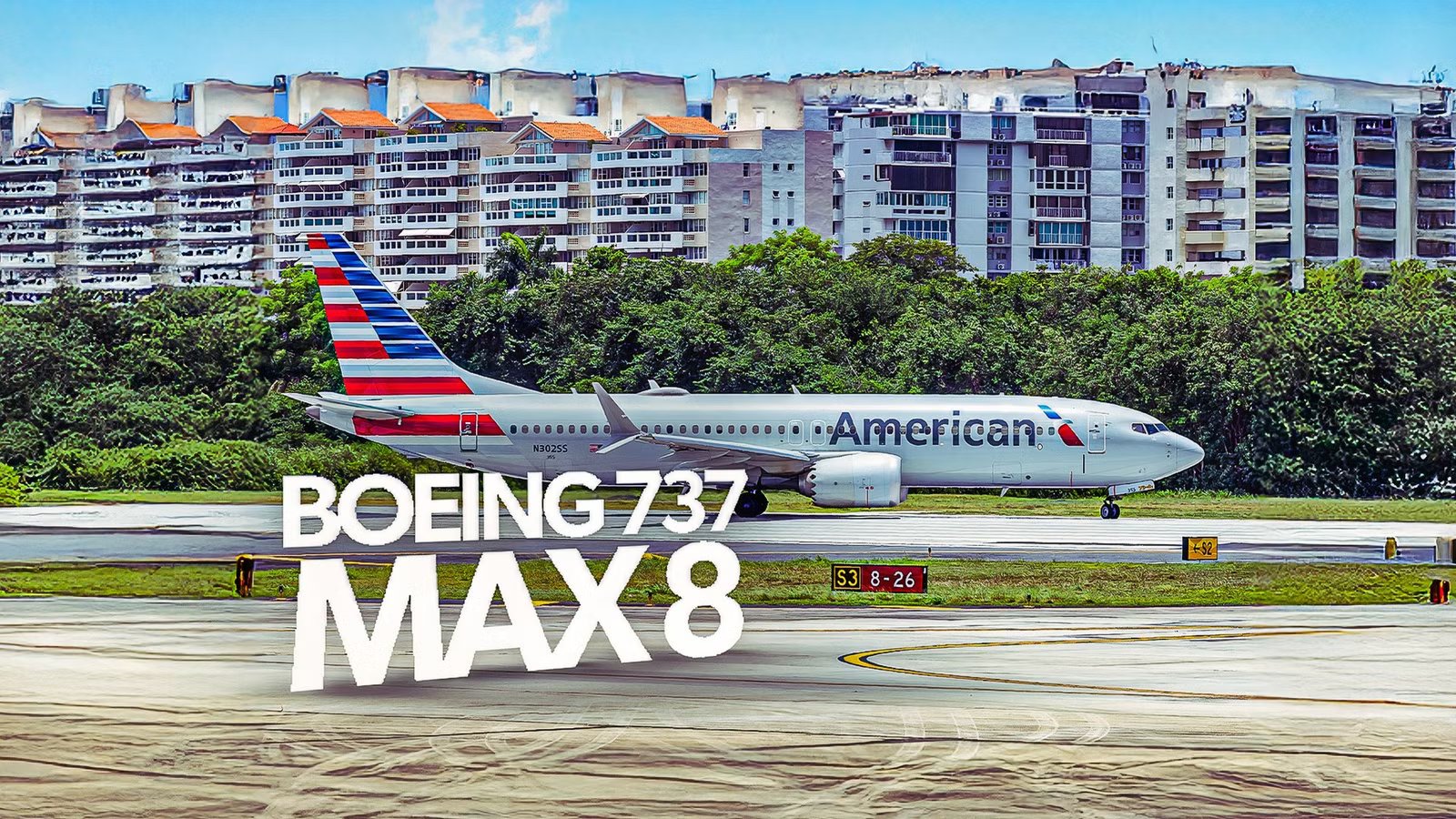
Perhaps one of the most famous examples of prioritizing cost and affordability over comfort is Ryanair’s use of the Boeing 737 MAX 8–200. It highlights how far narrow-body density can be pushed when an airline prioritizes capacity above all else. The MAX 8-200 is a modified version of the standard Boeing 737 MAX 8, designed specifically for high-density operations. While a typical MAX 8 is usually configured with around 162–178 seats by most airlines, Ryanair’s MAX 8–200 increases that figure to 197 passengers, making it one of the most tightly packed narrow-body aircraft in regular service.
This higher capacity is achieved through a combination of design and certification changes. The MAX 8–200 features additional mid-cabin emergency exits, allowing it to meet evacuation requirements with more seats onboard. Inside the cabin, Ryanair employs very slim, lightweight seats with minimal padding and limited recline, paired with a seat pitch of roughly 28 inches, compared to the 29–31 inches commonly found on standard MAX 8 aircraft operated by network carriers.
Compared to a conventional MAX 8, the difference in comfort is noticeable, particularly on longer sectors. Where full-service airlines may trade capacity for legroom or onboard amenities, Ryanair utilizes the MAX 8-200 to minimize unit costs as much as possible. This aircraft remains central to Ryanair’s low-fare strategy, illustrating how a single aircraft type can deliver vastly different passenger experiences depending on how it is configured.

The Striking Differences Between The Boeing 737 MAX 8 & MAX 8-200
The MAX 8-200 is a special edition of the MAX 8 developed for ultra-low-cost carriers that seek to maximize the workhorse’s seating capacity.
Cebu Pacific’s A330neos: Among The World’s Most Crowded Widebodies

Cebu Pacific applies a similar high-density philosophy to widebody operations with its Airbus A330 fleet, creating some of the most crowded long-haul economy cabins in the industry. Unlike most A330 operators, which typically divide cabins between economy and premium classes, Cebu Pacific uses a single-class, all-economy layout to maximize seat count. This allows its A330-300 aircraft to carry up to 430 passengers, significantly more than the 250–300 seats common on full-service carriers.
The airline achieves this capacity by adopting a narrow nine-abreast (3-3-3) seating configuration, rather than the wider eight-abreast 2-4-2 layout traditionally associated with the A330. Although seat pitch generally remains in the 30 to 31-inch range, the reduced seat width and high passenger volume make the cabin feel noticeably tighter. With every seat filled on busy routes, the effects are felt during boarding, in-flight service, and disembarkation.
Cebu Pacific’s A330-900neo aircraft pushes density even further, with seating totals approaching 460 passengers, among the highest ever certified for the type. While newer aircraft offer improved fuel efficiency and quieter cabins, they do not fundamentally change the onboard experience. In 2026, Cebu Pacific’s A330s stand as a clear example of how widebody aircraft, traditionally associated with comfort, can be configured to rival the density of the world’s tightest narrowbody cabins when cost efficiency is the primary goal. Long-haul, however, might be one of the more controversial uses of dense seating. Many passengers are happy to sit for 2-4 hours in a tighter seat on a short hop, but 8-10 hours+ starts to present different challenges and opinions.
When Density Goes Too Far: WestJet’s Abandoned Seating Experiment

WestJet’s recent experience highlights the risks airlines face when pushing cabin density too far. The Canadian carrier tested the water by floating the idea of introducing a denser economy layout on some Boeing 737 aircraft, reducing seat pitch and adding additional rows. The goal was to lower costs and compete more directly with ultra-low-cost rivals, employing the method discussed by spreading the flight costs across more tickets.
Passenger reaction was swift and largely negative. Many customers felt the tighter seating conflicted with WestJet’s brand positioning as a more comfortable alternative to budget airlines. Complaints spread quickly through social media and travel forums, amplifying dissatisfaction beyond the affected flights.
In early 2026, WestJet completely reversed the changes and committed to restoring its previous seating standards. The episode serves as a reminder that cabin density is not just an economic decision, but also a branding one. Airlines that misjudge their customers’ tolerance for reduced comfort risk damaging long-term loyalty. Clearly, this isn’t a strategy that every carrier can adopt.

Revealed: Where Air Canada Flies Its Dense 450-Seat Boeing 777s (2026)
Air Canada’s passenger fleet consists of 85 twin-aisle aircraft. According to ch-aviation, it has 32 Boeing 787-8s, 20 Airbus A330-300s, 19 777-300ERs, eight 787-9s, and six 777-200LRs. They account for almost four in ten of its mainline machines.
Not All Low-Cost Airlines Go Extreme: The Norse Atlantic Comparison

Not every low-cost airline has chosen to push cabin density to its limits. Norse Atlantic, which operates Boeing 787-9 Dreamliners, has adopted a more moderate seating strategy for long-haul flights. Economy class on these aircraft generally offers around 31 to 32 inches of seat pitch, giving passengers more legroom than the roughly 28 inches typical of ultra-dense short-haul configurations. This difference becomes especially noticeable on transatlantic journeys.
In terms of overall capacity, Norse’s 787-9 fleet is configured with just under 300 economy seats, depending on the aircraft, alongside a dedicated premium cabin of roughly 35 to 55 seats. By comparison, some high-density widebody layouts exceed 400 passengers by eliminating premium sections. Norse’s choice results in fewer total seats, but a cabin that feels less crowded and more manageable during boarding and in-flight service.
The airline further separates itself through its premium economy product, which features significantly greater spacing, typically in the low-to-mid 40-inch range, along with deeper recline. This two-tier approach allows Norse to keep headline fares competitive while offering an upgrade route for passengers who value additional space. In 2026, it stands as an example that budget long-haul operations do not necessarily require extreme density to remain viable.
Passenger Comfort Vs. Airline Profits: Where the Density Debate Is Heading

The ongoing debate over economy cabin density shows no signs of disappearing. Airlines argue that tighter seating is essential to maintaining affordable fares, particularly as operating costs remain elevated due to fuel prices, labour expenses, and fleet constraints. For many carriers, adding more seats is one of the few remaining levers available to improve financial performance without reducing frequencies or cutting routes altogether.
From the passenger perspective, awareness of seating conditions has grown significantly. Seat pitch, seat width, and cabin configuration are now widely discussed across social media, review platforms, and booking sites, influencing purchasing decisions more than in the past. Negative reactions to cramped cabins can spread quickly, creating reputational challenges and, in some cases, forcing airlines to rethink densification strategies that appear efficient on paper but fail to meet customer expectations in reality.
Looking ahead, the industry may shift toward greater segmentation rather than a single uniform economy product. Basic fares with very tight seating could exist alongside paid options for additional legroom, wider seats, or quieter cabin zones, allowing airlines to extract more revenue while offering passengers clearer choices. In 2026, the balance between comfort and cost remains one of the defining challenges of economy-class travel, with airlines continuing to test how far density can be pushed before it affects demand.