dailynewsnblog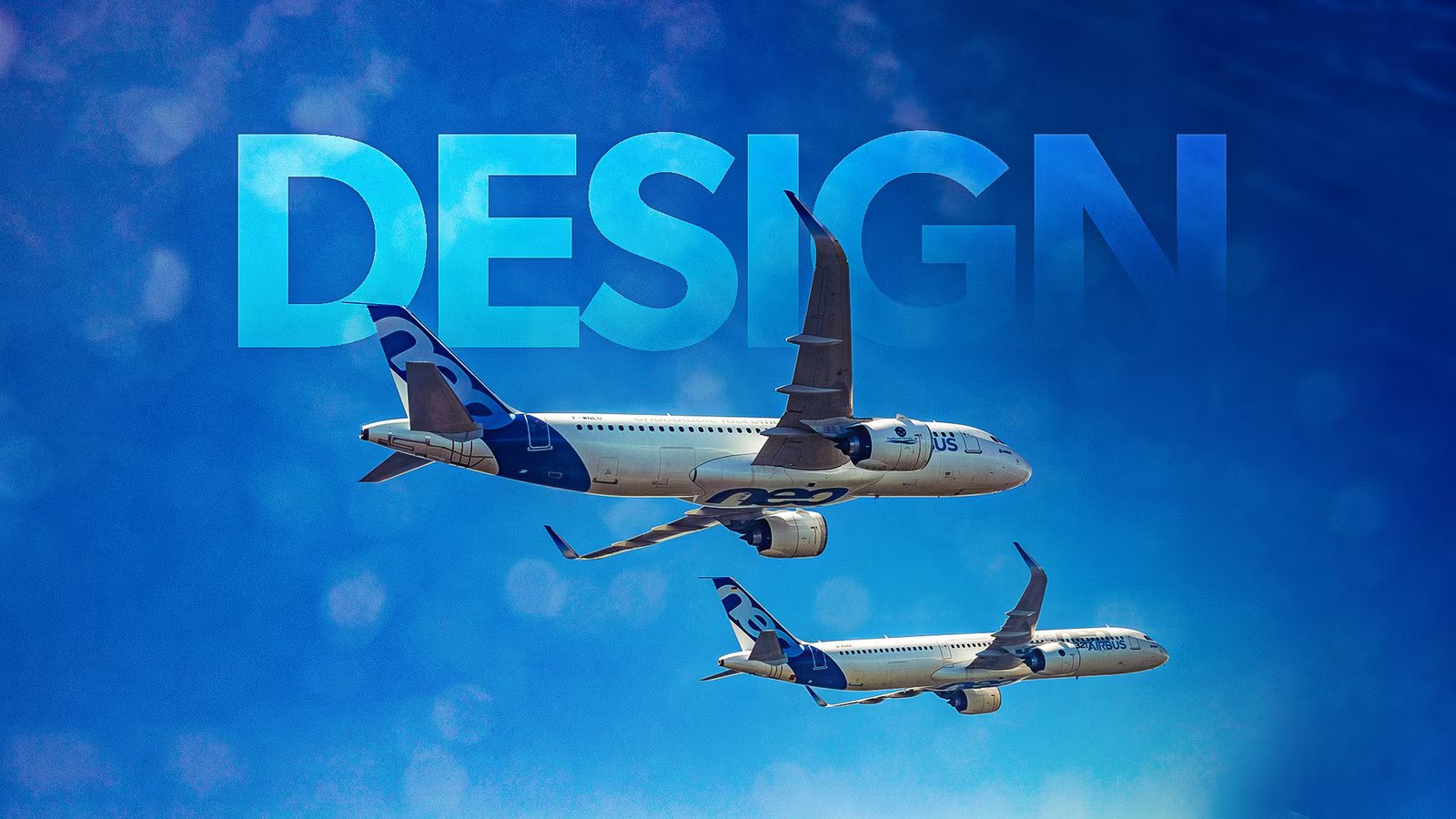
The Airbus A320neo represents an evolution in single-aisle aircraft design, combining proven Airbus engineering with cutting-edge efficiency improvements. Built on the highly successful A320 platform, the ‘New Engine Option’ was developed to address rising fuel costs, environmental pressures, and the need for greater operational flexibility. Rather than redesigning the aircraft from scratch, Airbus focused on refining aerodynamics, propulsion, and systems integration.
This saw it create an aircraft that delivers major performance gains while preserving the reliability airlines already trusted. This design approach transformed the A320neo into a true global workhorse. Its ability to operate efficiently across a wide range of routes, climates, and airline business models has made it indispensable to carriers worldwide. By balancing lower operating costs, strong fleet commonality, passenger comfort, and future-ready technology, the A320neo has set a new benchmark for what a modern narrowbody aircraft must deliver. This is a key benefit in an increasingly competitive and sustainability-driven aviation industry.
New Engine Option: Efficiency At The Core

The core innovation behind the A320neo, which gave the aircraft its ‘NEO’ name, is its next-generation engines, offered as either the CFM LEAP-1A or the Pratt & Whitney PW1100G-JM. These engines deliver remarkable improvements in efficiency, reducing fuel burn per seat by around 20% compared to the previous-generation A320ceo, and this improvement translates to lower CO₂ emissions and reduced NOx output.
This helps airlines to meet stricter environmental regulations while simultaneously lowering operational costs and increasing profitability on low- or fluctuating-demand routes. In addition to fuel efficiency, the engines provide a noise reduction of up to 50%, making the A320neo suitable for operations at noise-restricted airports and urban airfields. This reduction in noise footprint expands operational flexibility for airlines and enhances the passenger experience.
The optimized engines also maintain or improve thrust performance, with the CFM LEAP-1A delivering 27,120 pounds-force (121 kN) and the Pratt & Whitney PW1100G-JM providing similar output. This ensures that aircraft performance is not compromised.
Overall, these engine upgrades, combined with aerodynamic refinements such as sharklet wingtips and optimized wing design, help the A320neo achieve up to 20% lower fuel burn, lower emissions, and lower noise levels. These enhancements not only improve environmental compliance but also reduce per-flight operating costs, making the aircraft economically viable for both low-cost carriers and full-service airlines across a wide variety of routes.
Advanced Aerodynamics & Structural Design

Equipped with sharklets, Airbus’s advanced wingtip devices, the A320neo achieves a significantly improved lift-to-drag ratio that enhances overall aerodynamic efficiency. By reducing induced drag at the wingtips, sharklets allow the aircraft to use less energy to maintain cruise performance. This aerodynamic improvement translates directly into lower fuel consumption while also supporting smoother and more stable flight characteristics across different phases of operation.
The refined wing and airframe design work together to deliver measurable performance gains, including increased range and improved climb capability. These enhancements allow the A320neo to fly longer distances without sacrificing payload, giving airlines greater flexibility in route planning. Improved climb performance is particularly valuable at congested or hot-and-high airports, where aircraft efficiency during takeoff directly impacts operational reliability.
Structural refinements across the airframe ensure that these aerodynamic advantages do not come at the expense of durability. The A320neo is engineered for high-cycle operations, making it well suited for intensive short- and medium-haul schedules. As a result, airlines can confidently deploy the aircraft on new city pairs that were previously uneconomical for single-aisle jets, expanding networks while maintaining strong economic performance.

The Airbus A321neo Sub Variants That No One Really Talks About
Here’s a look at how variants of the Airbus A321neo family differ from one another.
Fleet Commonality & Operational Simplicity

In a similar fashion to the Boeing 737 MAX family, a key feature in the development of the A320neo family was fleet commonality and ease of integration. For an operator, the purchase and adoption of a new aircraft can be extremely costly and time-consuming. Beyond the initial purchase price, airlines may be required to train crews on new procedures or even obtain entirely new type ratings. There are also additional costs associated with parts inventories and maintenance supply chains.
These factors can significantly increase the effective price of introducing a new aircraft type, often extending well beyond the aircraft’s list cost. By limiting changes to systems and procedures, the A320neo helps constrain these indirect costs, improving the overall economic case for fleet renewal. Airbus’s response with the A320neo was to prioritize fleet commonality. The A320neo shares a common type rating across the entire A320 family.
|
Specifications (Per AviatorJoe) |
Airbus A320‑200 |
Airbus A320neo |
|---|---|---|
|
Length |
123 feet 3 inches (37.57 m) |
123 feet 3 inches (37.57 m) |
|
Wingspan |
111 feet 10 inches (34.10 m) |
117 feet 5 inches (35.80 m) |
|
Wing Area |
1,320 ft² (122.60 m²) |
1,323 ft² (123.00 m²) |
|
Height |
38 feet 5 inches (11.70 m) |
38 feet 7 inches (11.76 m) |
|
Engines |
2 |
2 |
|
Thrust per Engine |
27,000 pounds-force (120 kN) |
27,120 pounds-force (121 kN) |
|
Total Thrust |
54,000 pounds-force (240 kN) |
54,240 pounds-force (242 kN) |
|
Max Takeoff Weight (MTOW) |
170,000 pounds (77,000 kg) |
172,000 pounds (78,000 kg) |
|
Range |
3,078 nautical miles (5,700 km) |
3,699 nautical miles (6,850 km) |
|
Cruise Speed |
Mach 0.78 |
Mach 0.78 |
|
Typical Capacity |
150 passengers |
165 passengers |
|
Max Capacity |
190 passengers |
189 passengers |
This allows pilots to transition between variants with minimal additional training. The same principle applies to flight attendants and ground crews. This high degree of commonality significantly reduces retraining time and costs, enhancing operational flexibility and lowering overall operating expenses for airlines. A high level of parts, tooling, and systems commonality across the Airbus A320 family significantly reduces the need for large spare-parts inventories.
This helps airlines lower capital and storage costs, and simplifies maintenance procedures by allowing technicians to work across multiple aircraft variants using the same processes and equipment, which in turn reduces training requirements and long-term support expenses. As market demand shifts, airlines can expand or resize their fleets more easily, adding or reallocating aircraft without disrupting operations or increasing complexity.
Versatility Across Routes & Operating Conditions

The A320 family has long been renowned for its reliability and operational versatility, and the A320neo continues this legacy with enhanced efficiency and performance. Designed to operate seamlessly on short and medium-haul routes, the aircraft also offers the range capability to serve select longer-haul missions. This flexibility allows airlines to deploy the A320neo across a wide spectrum of route types while maintaining consistent operating economics.
The aircraft performs reliably in demanding environments, including hot-and-high airports, cold-weather regions, and locations with challenging runway conditions. Its advanced engines, aerodynamic improvements, and robust systems ensure dependable operations regardless of climate or geography. This all-environment capability makes the A320neo particularly attractive to airlines with geographically diverse networks.
The A320neo’s adaptability extends to airline business models and cabin configurations. It is equally suited to low-cost carriers, network airlines, and charter operators, thanks to flexible seating layouts that can accommodate high-density configurations or more premium cabin offerings. Combined with strong dispatch reliability, the aircraft is ideal for high-frequency schedules, enabling airlines to maximize aircraft utilization while maintaining operational confidence.

How Do Boeing 737 MAX And Airbus A320neo Engines Impact Airline Fuel Efficiency?
Depending on the requirements of airlines and the routes they serve, all have different operational costs.
Passenger-Focused Cabin & Comfort Innovations

The A320neo features the Airspace cabin, a modern interior designed to provide passengers with a quieter and more spacious environment. Its sleek design and thoughtful layout create a sense of openness, improving the overall comfort of the travel experience. This updated cabin elevates the standard for single-aisle aircraft, balancing efficiency with passenger well-being.
Larger overhead bins are a key part of the Airspace cabin, significantly increasing carry-on capacity and helping to reduce boarding delays. Passengers benefit from easier storage of luggage, while airlines enjoy faster turnarounds and smoother operations. Complementing this, improved LED lighting creates a more pleasant cabin ambiance, reduces passenger fatigue on longer flights, and enhances the perception of space.
Wider aisles and optimized seat layouts further improve boarding flow and accessibility, ensuring that passengers move efficiently through the cabin. Enhanced cabin pressurization and air quality systems maintain a comfortable environment throughout the flight, reducing discomfort and promoting well-being. Together, these features make the A320neo’s cabin experience more enjoyable, modern, and passenger-focused than ever before.
Future-Proof Technology & Digital Integration

The A320neo is fully integrated with Airbus’s Skywise digital platform, which provides real-time monitoring of aircraft health and performance. This connectivity allows airlines to track key systems continuously, ensuring any potential issues are identified early and addressed before they impact operations. By enabling predictive maintenance, Skywise helps reduce unscheduled downtime, keeping aircraft flying more reliably and efficiently.
The platform also supports data-driven decision-making, allowing airlines to optimize fuel consumption, flight planning, and overall operational efficiency. Access to detailed performance analytics empowers carriers to make informed adjustments that lower costs and enhance scheduling reliability. This level of insight is particularly valuable in today’s competitive aviation market, where efficiency and cost management are critical.
Designed with adaptability in mind, the A320neo can evolve with future software upgrades and sustainability innovations, ensuring it remains relevant for decades. This forward-looking approach positions the aircraft as a long-term asset rather than a short-cycle investment, giving airlines confidence that the A320neo will continue to deliver strong economic and operational performance well into the future.